Skip linksSkip to Content
play
Live
Navigation menu
  • News
    • Africa
    • Asia
    • US & Canada
    • Latin America
    • Europe
    • Asia Pacific
  • Middle East
  • Explained
  • Opinion
  • Sport
  • Video
    • Features
    • Economy
    • Human Rights
    • Climate Crisis
    • Investigations
    • Interactives
    • In Pictures
    • Science & Technology
    • Podcasts
    • Travel
play
Live

In Pictures

Gallery|Arts and Culture

In Bulgaria, Germans rediscover their roots in nature

In a virtually abandoned village, a self-sufficient community is living without electricity or electronic gadgets.
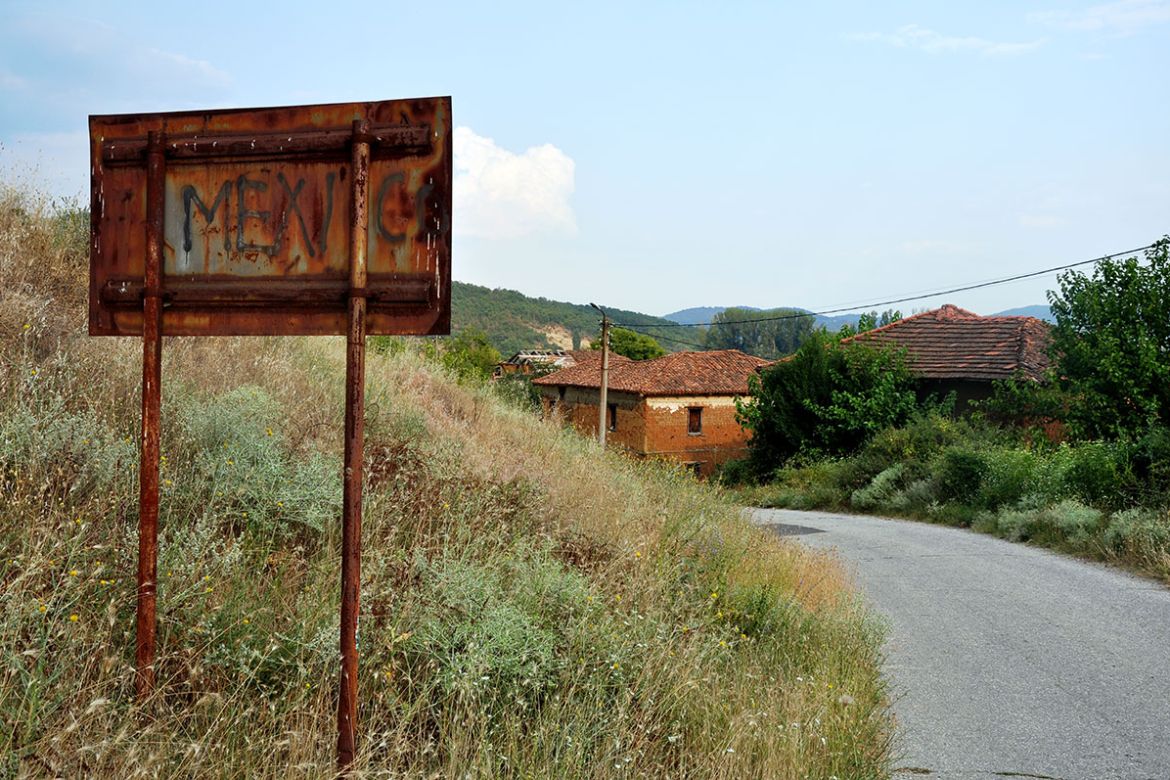
Rediscovering their roots/ Please Do Not Use
Bulgaria has been massively affected by rural depopulation. Many villages are practically deserted, derelict and desolate. On the rusty sign at the entrance to Odrintsi, someone has scribbled the word 'Mexico'. [Thomas Bruckner/Al Jazeera]

By Thomas Bruckner

Published On 2 Aug 20172 Aug 2017

Share

facebooktwitterwhatsappcopylink

Save

Odrintsi, Bulgaria – In Bulgaria, the poorest country in the European Union, abandoned villages and derelict houses are a common sight.

That’s also how it used to be in Odrintsi, a small village on the border with Greece. In fact, at one point it had just two residents: 85-year-old pensioner Ruska Dimitrova and Vlado, a shepherd who looks after two dozen animals.

But then came the Germans. Fourteen adults and five children. They bought eight derelict houses and fixed them up. They leased more than 100 hectares of land, which they farmed. They bought animals. Horses, donkeys, sheep, goats, dogs, cats, hens, geese. And began living the way people did centuries ago.

Without electricity. Without motorised machinery. Without electronic gadgets, such as mobile phones and the internet. Their daily routine consists of meditation, work, and countless discussions about the meaning of life. Today, two years after their arrival, the community leads a self-sufficient existence and has virtually no contact with the outside world.

“We don’t want to have anything more to do with the Western world and its exploitation of the Earth’s resources. We want to be in touch with nature again,” explains Jurgen Hummes, leader of the group. Jurgen, 59, a man with white hair, a long beard and an amulet around his neck, describes himself as a healer and shaman. He claims to be in direct contact with the “spiritual world”. “It shows me the way,” he says.

And his followers believe him. At some time or other, he has healed most of them from illnesses with the help of meditation and medicinal herbs, they say. And they have been following him for years. Initially, 11 years ago, to southern Germany, then to Togo in West Africa, where they lived for eight years, and finally, in 2015, to southeastern Bulgaria.

Advertisement

“Living here, in a world where so little happens, allows us to contemplate nature and focus on a spiritual existence,” says Jurgen. “That, after all, is something we all desire.”
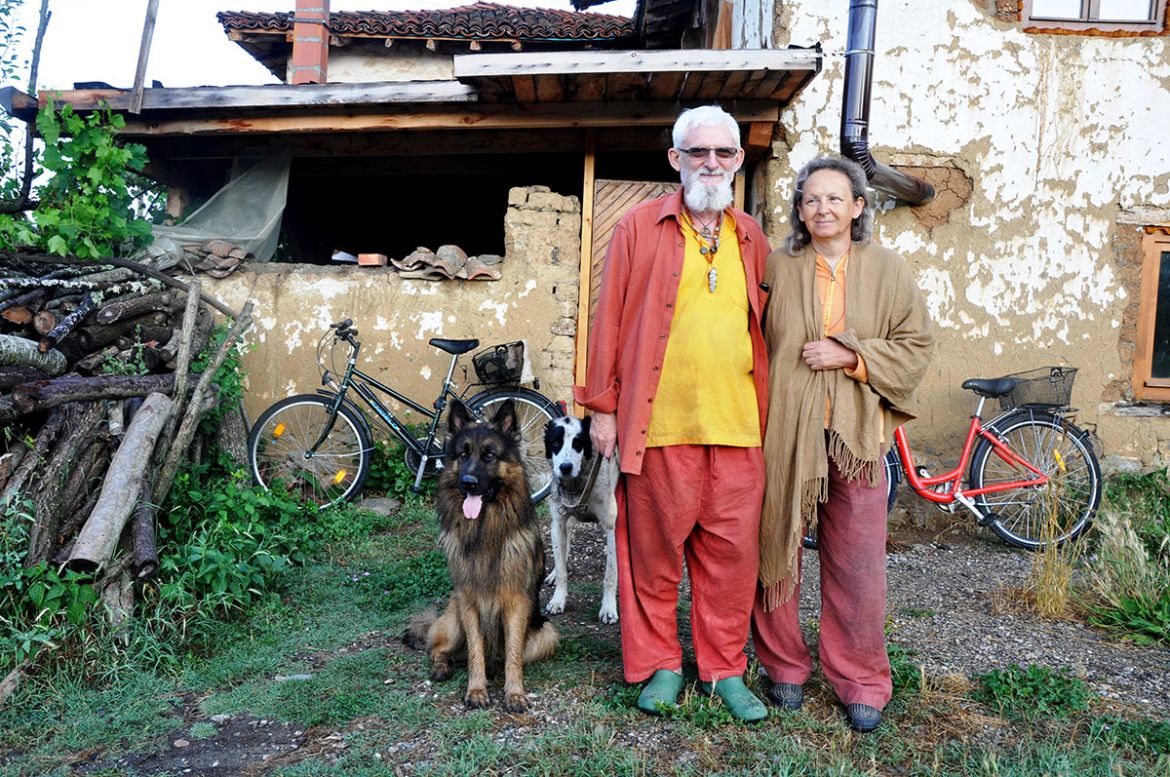
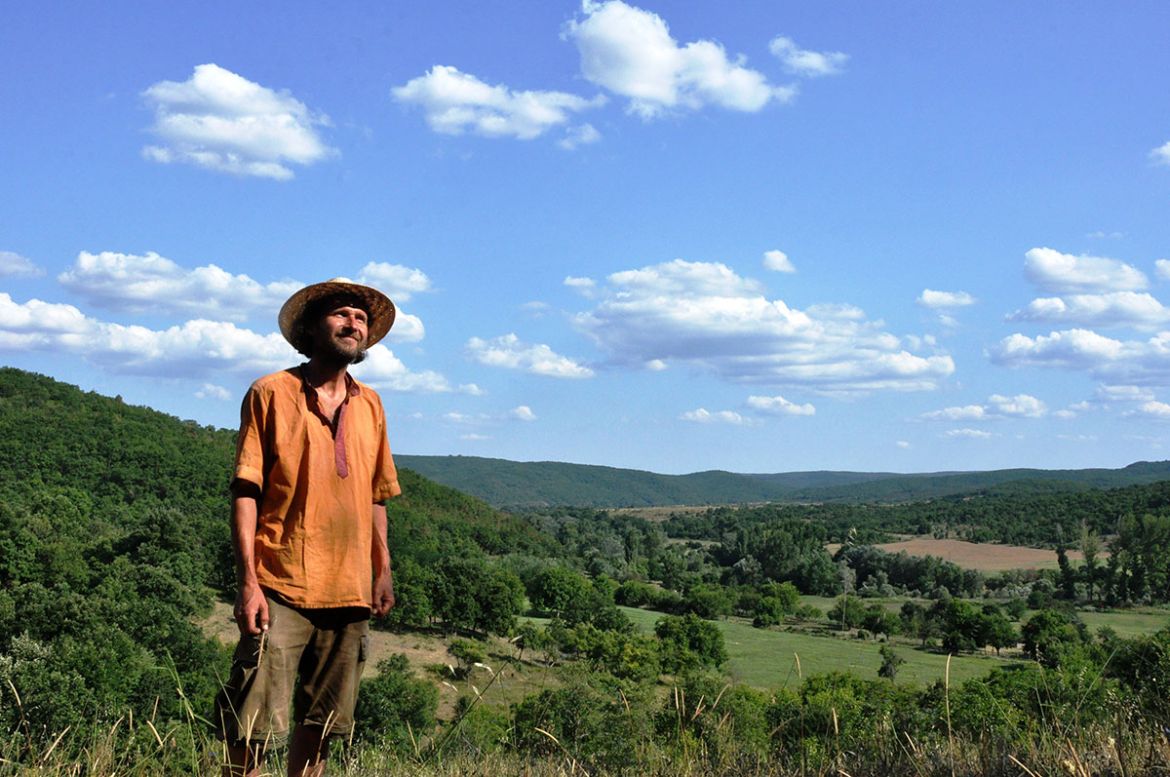
Rediscovering their roots/ Please Do Not Use
Jurgen, 59, a former organic farmer, is the leader of the community and their spiritual teacher. He describes himself as a shaman. 'I immerse myself in mystical contemplation for several hours every day. This allows me to tap into knowledge from the spiritual world,' says Jurgen. As he meditates, his dog lies at his feet. His wife Gabi, 60, a former doctor's assistant, is a source of support. [Thomas Bruckner/Al Jazeera]
Advertisement
Rediscovering their roots/ Please Do Not Use
It took a long time for the 46-year-old former music teacher, Manfred, to commit himself to this alternative lifestyle. He came and left several times, but finally decided to stay for good five years ago. 'This simple life is a form of meditation in its own right and it makes me far happier than the constant stress you have back in the city,' he says. The major downside for him is being so far away from his 12-year-old daughter. She lives in Germany and he rarely hears from her. [Thomas Bruckner/Al Jazeera]
Rediscovering their roots/ Please Do Not Use
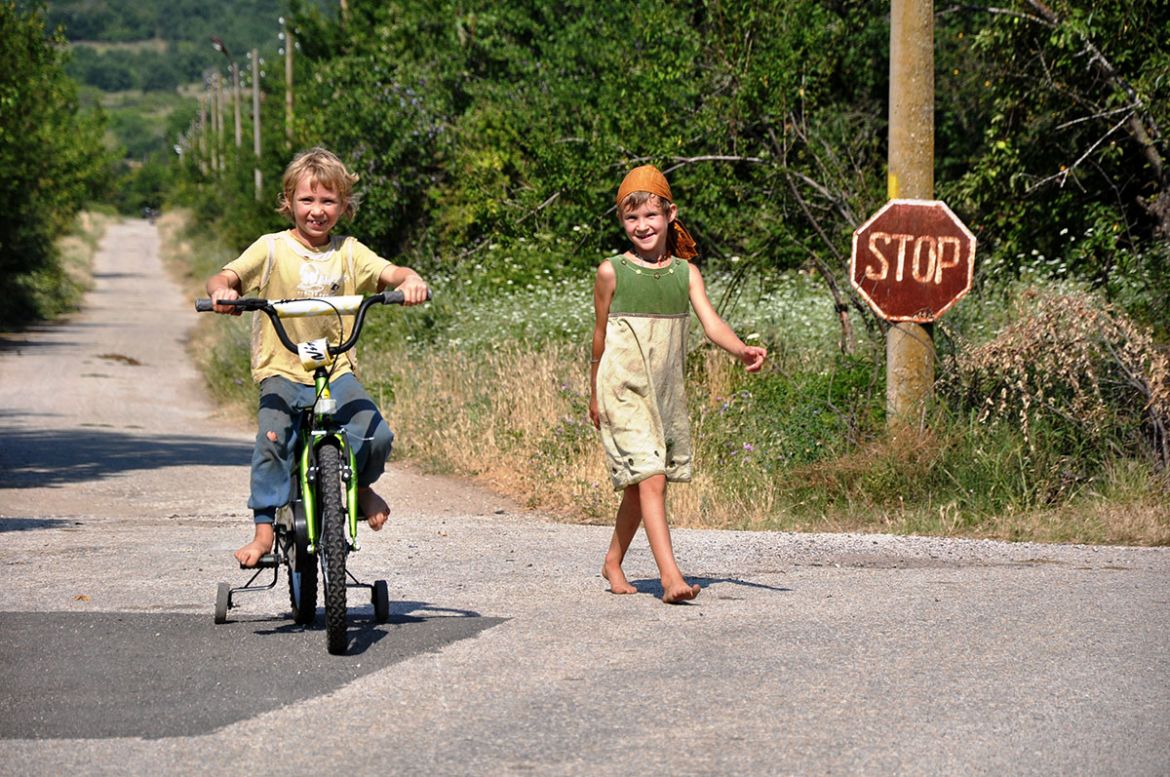
Lynn and Eon, both seven, spend most of their time outdoors. They climb trees, take the geese for walks, or help their parents when there's work to be done. They don't go to school, but learn from members of the group. Lynn can read and count to 100. [Thomas Bruckner/Al Jazeera]
Rediscovering their roots/ Please Do Not Use
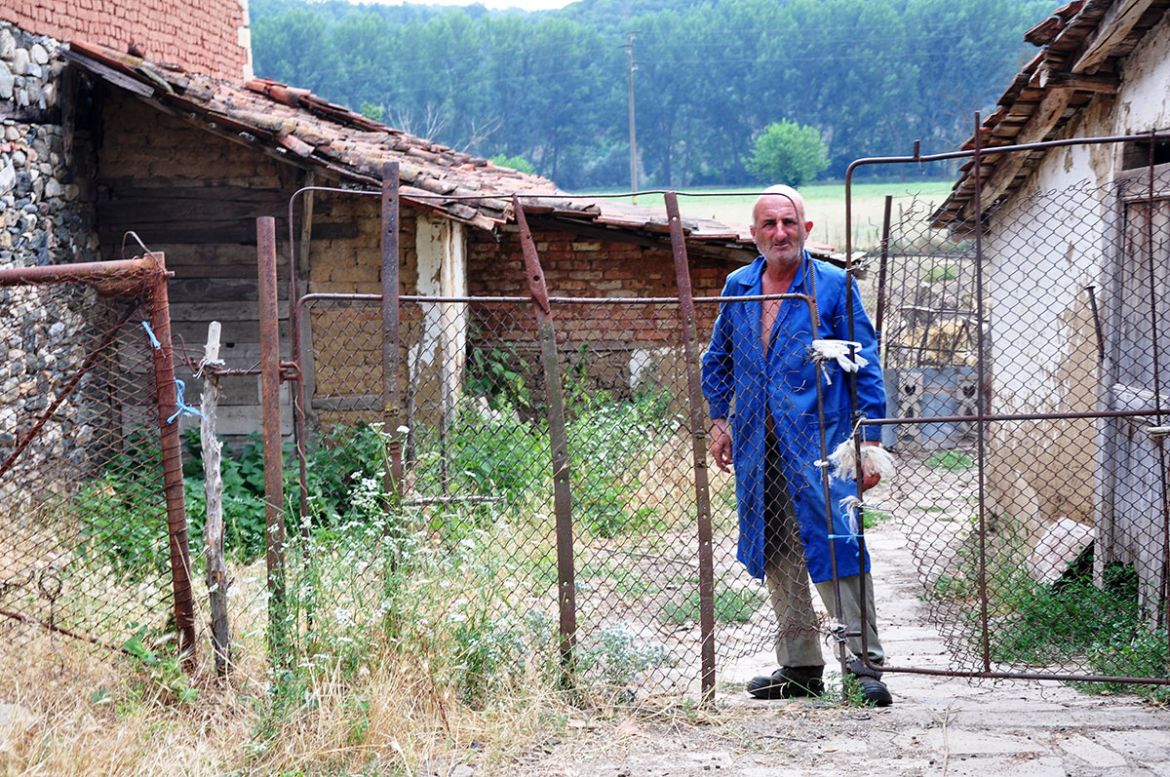
Vlado, 55, a shepherd, has seen many people move away from his hometown. He is one of just two Bulgarians who have remained in the village. Every morning, he leads his sheep out to pasture, barking loud commands to urge them along. He doesn't go out of his way to have contact with his new fellow villagers. [Thomas Bruckner/Al Jazeera]
Rediscovering their roots/ Please Do Not Use
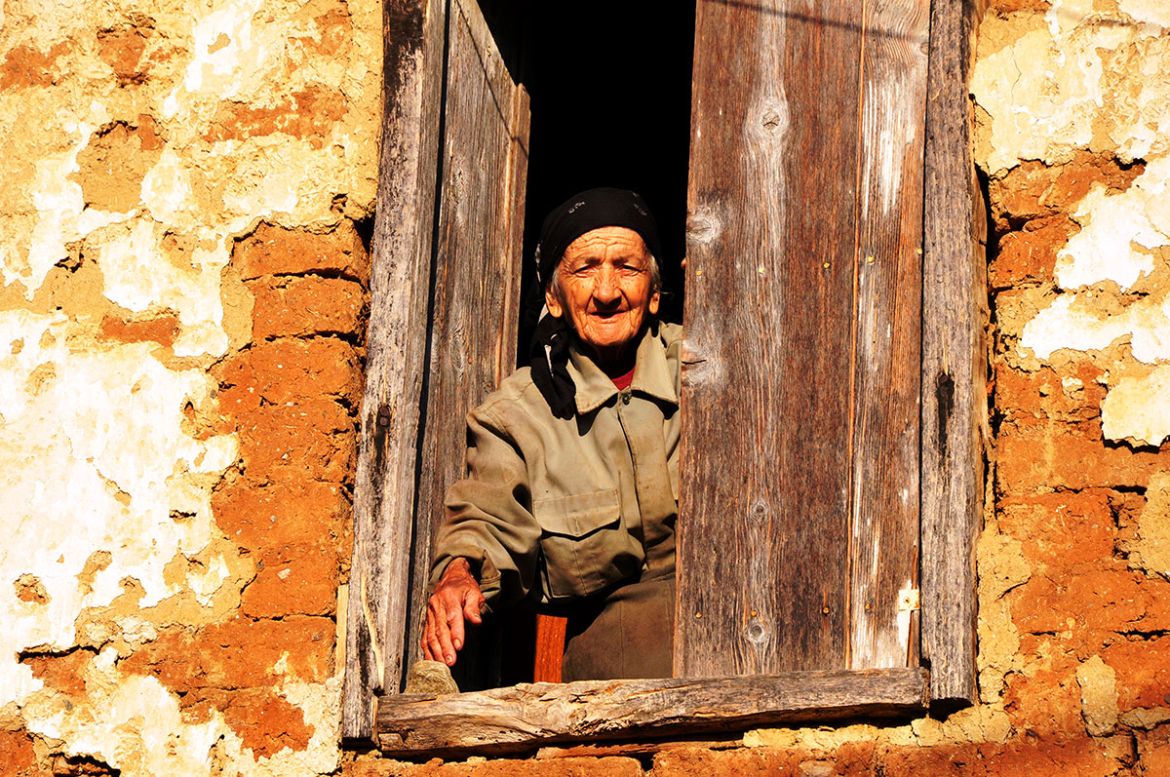
Baba Ruska, 84, has lived in Odrinski since her retirement. She supports herself on a pension of just 80 euros (about $95) a month and the eggs produced by her 15 hens. 'Last winter, my new neighbours helped me after I'd fallen and was lying there helpless in my house. So, I am definitely glad they are here,' she says, mentioning Bastian specifically, the only one of the newcomers who speaks Bulgarian. [Thomas Bruckner/Al Jazeera]
Rediscovering their roots/ Please Do Not Use
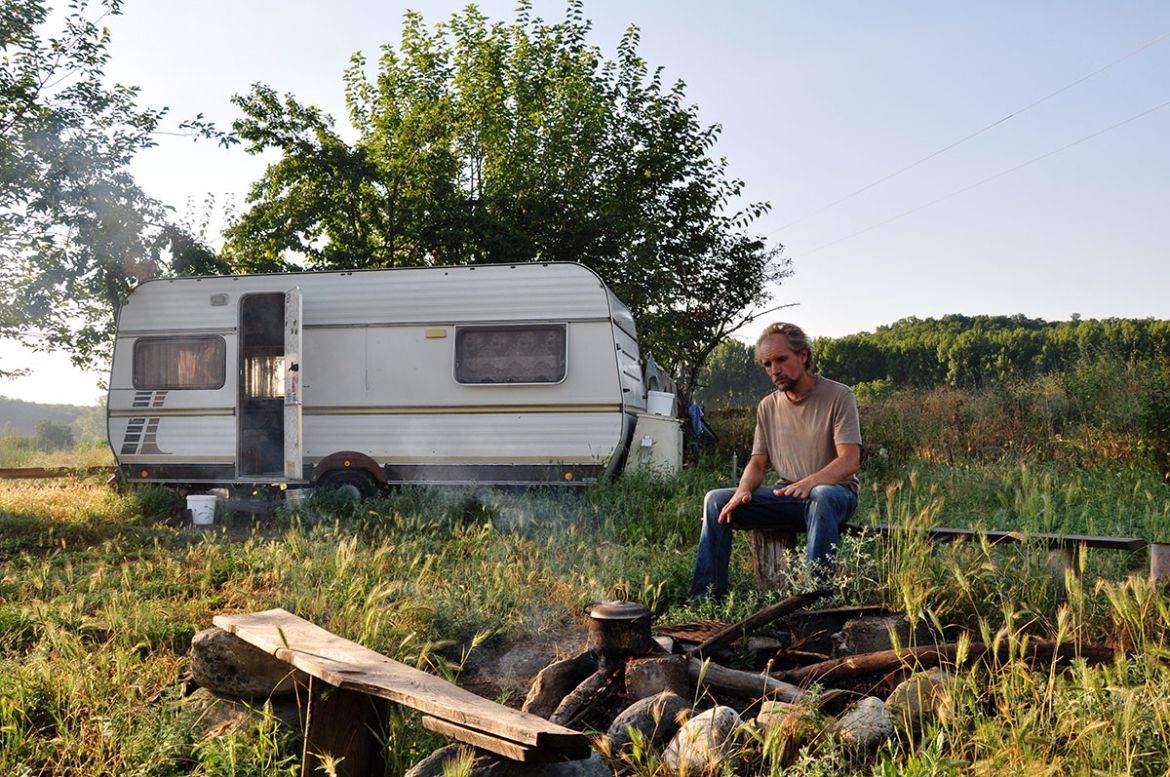
'If you live within the system, you are fooling yourself if you don't accept partial responsibility for the destruction of the Earth,' says Matthias Peiz, 50, a professional landscape conservationist in his former life. Matthias has now lived in his own camper van outside of the group for more than four months. Whether or not he will eventually be accepted into the community will be decided by Jurgen. When that might be, nobody knows. [Thomas Bruckner/Al Jazeera]
Advertisement
Rediscovering their roots/ Please Do Not Use
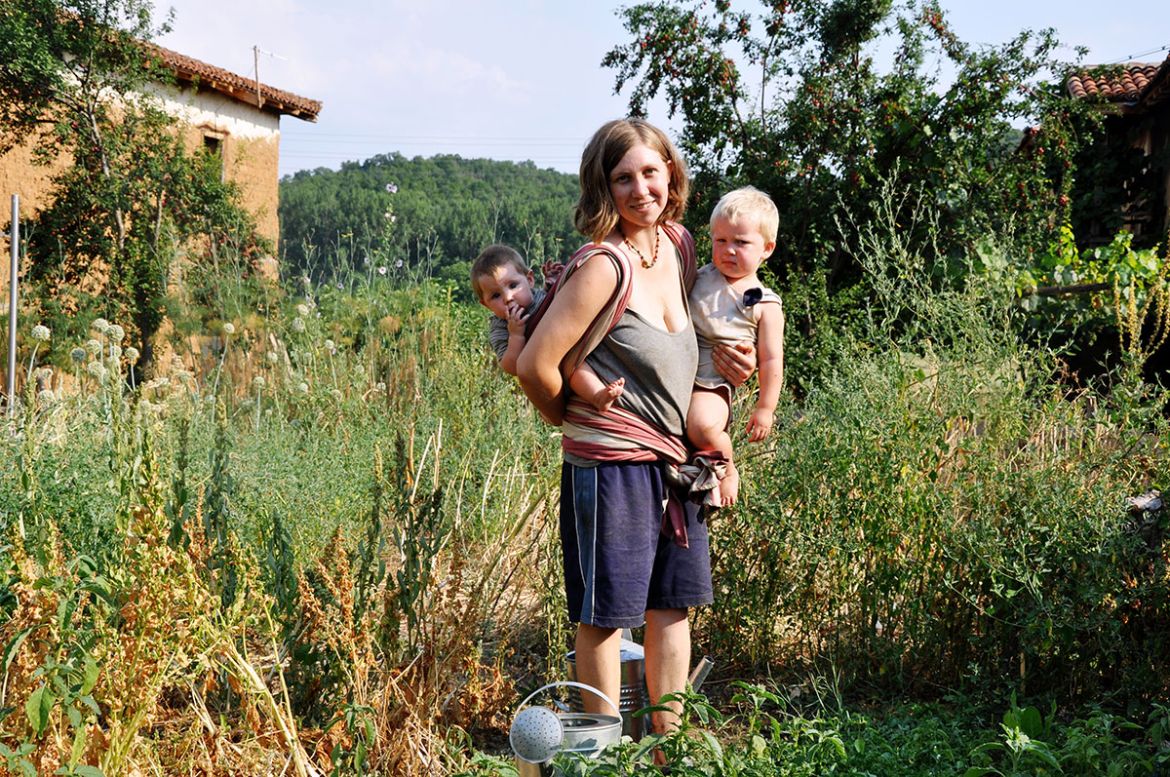
Anna, 26, lives in the community with her husband. Micha, two, was born in Togo with the aid of a midwife, while Nora was born in Odrintsi six months ago without any kind of medical support. 'Nature is my source of strength and inspiration,' says Anna. [Thomas Bruckner/Al Jazeera]
Rediscovering their roots/ Please Do Not Use
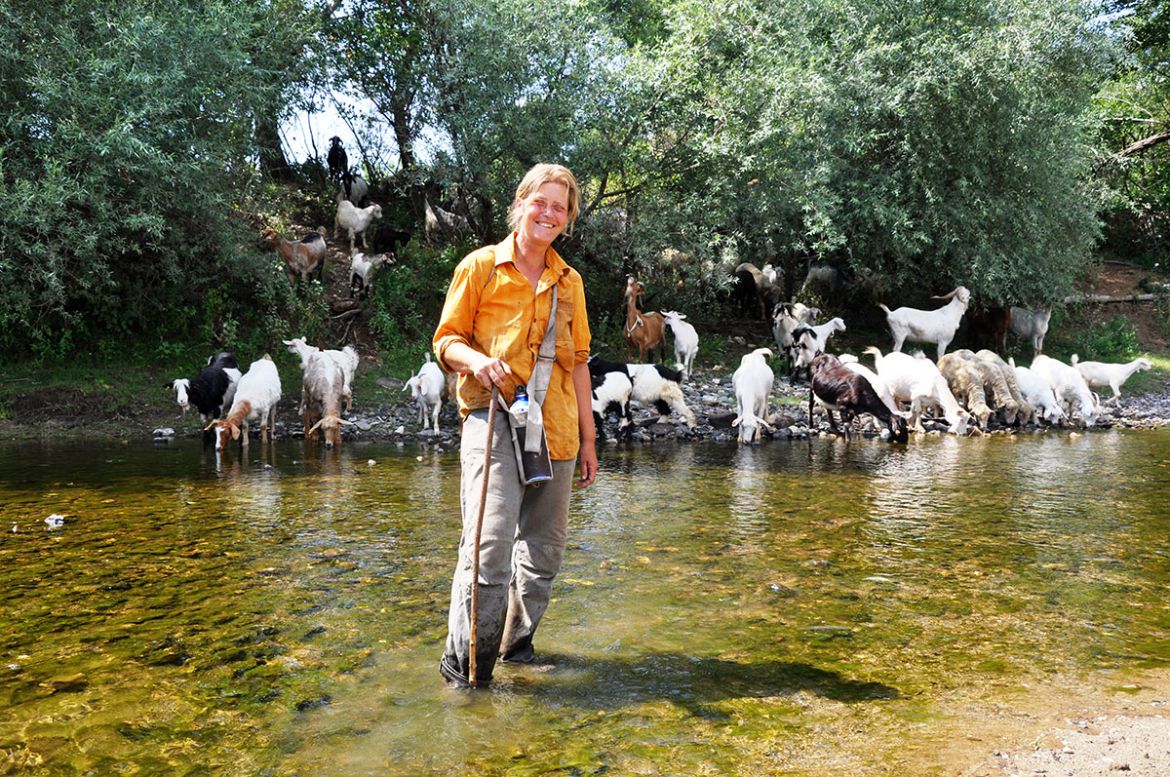
A successful career, a beautiful home, a shiny car. As a school principal, 45-year-old Simone had it all. But she says she felt no inner joy. Today, she has no possessions. Every day, she leads the sheep and goats out into the fields, and says she can feel her heart pounding with happiness. [Thomas Bruckner/Al Jazeera]
Rediscovering their roots/ Please Do Not Use
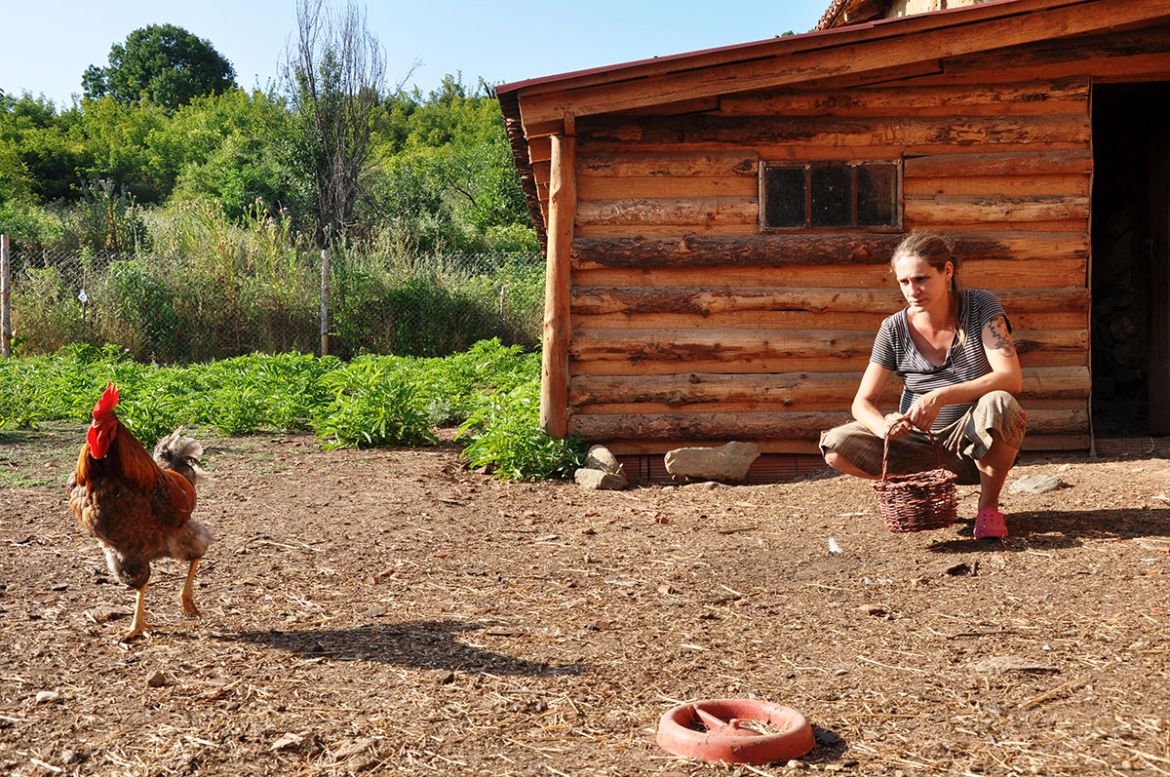
Kathi, 33, once a management assistant in a corporate environment, used to suffer from panic attacks and anxiety. She says Jurgen healed her through meditation and herbs. 'Earlier, I would simply make fun of people like Jurgen,' she says. [Thomas Bruckner/Al Jazeera]
Rediscovering their roots/ Please Do Not Use
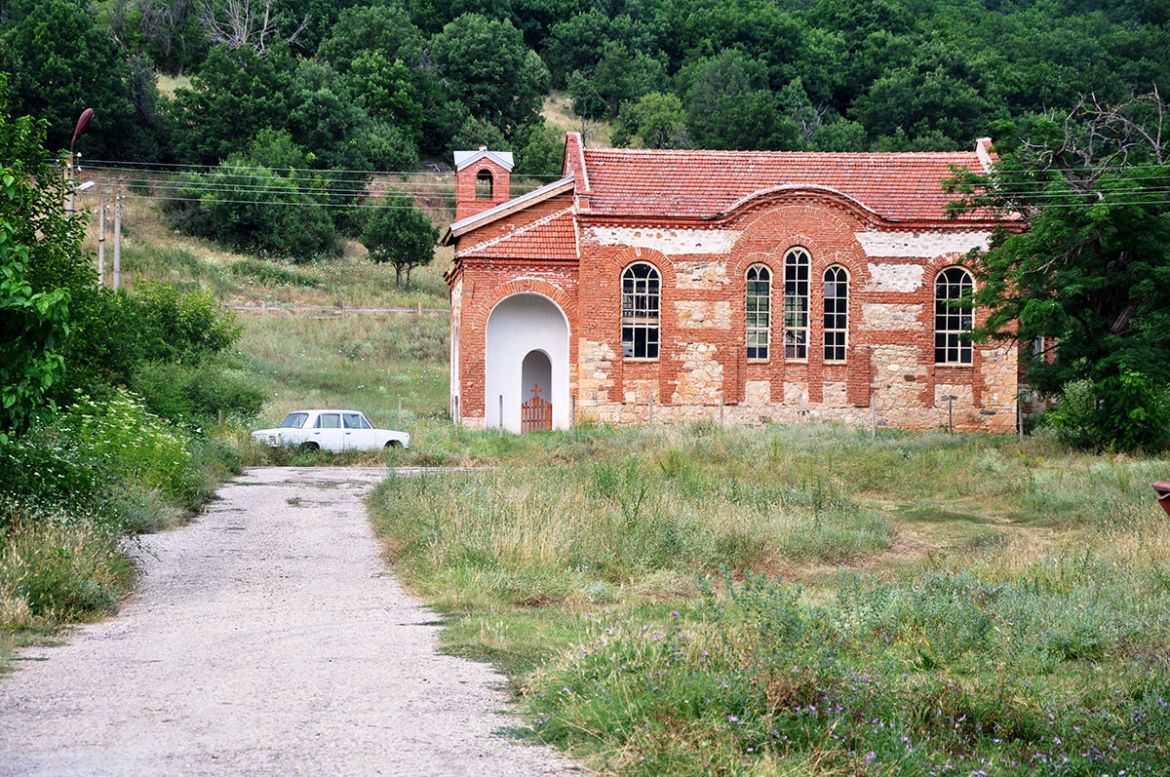
Only Vlado, the shepherd, has a key to the church. It has been a long time since services were held there. The new villagers reject the major world religions. They believe in fairies and forest spirits. [Thomas Bruckner/Al Jazeera]
Rediscovering their roots/ Please Do Not Use
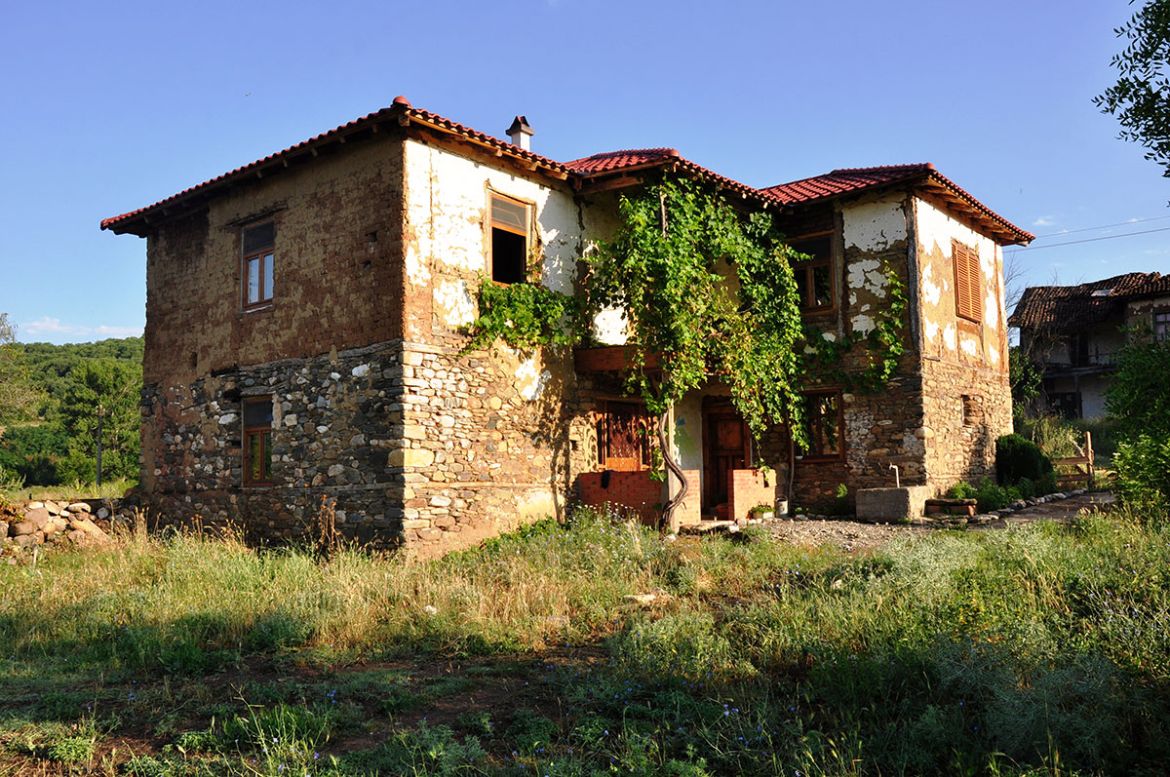
One of the eight houses that have been renovated. Most of the materials they needed came from other derelict buildings in the village. [Thomas Bruckner/Al Jazeera]
Rediscovering their roots/ Please Do Not Use
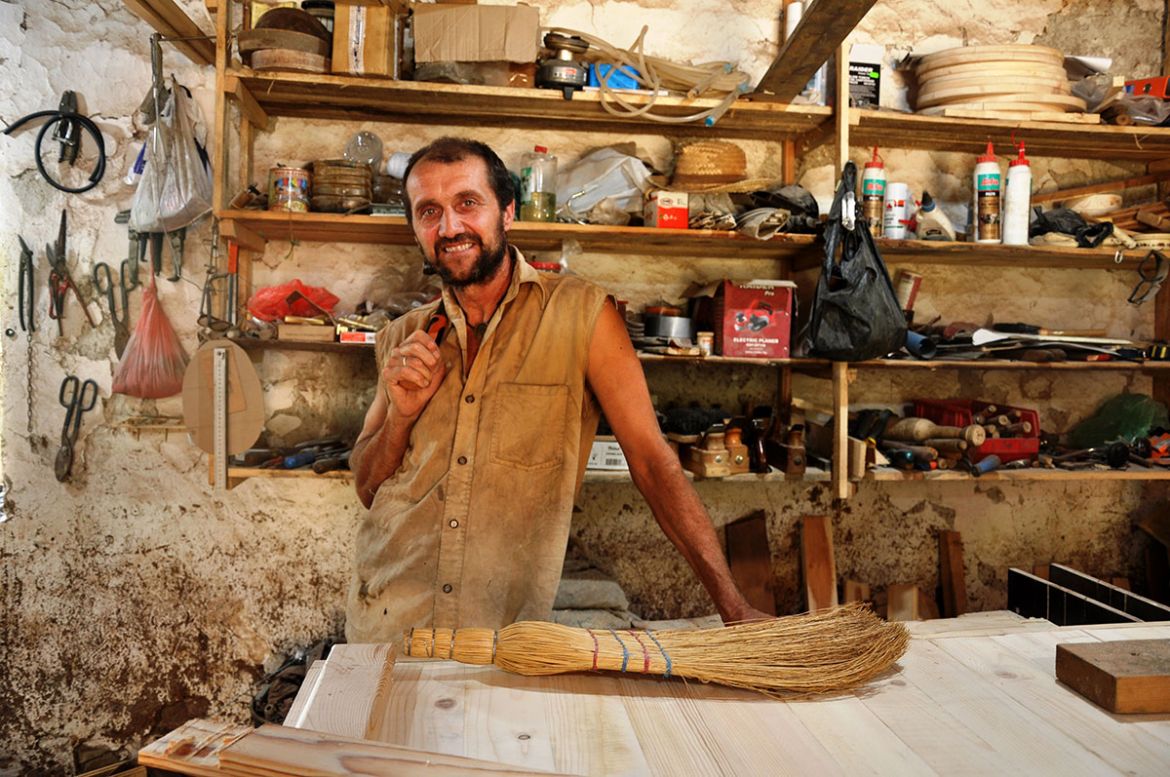
Mario, 58, a painter, says he was a sickly person for most of his life and searching for spirituality. For a brief time, he lived in an Indian ashram. But while he was there, he says he became even sicker. Then he heard about Jurgen and his philosophy of leading a simple life in nature. He joined the group and says he has been healthy ever since. [Thomas Bruckner/Al Jazeera]
Rediscovering their roots/ Please Do Not Use
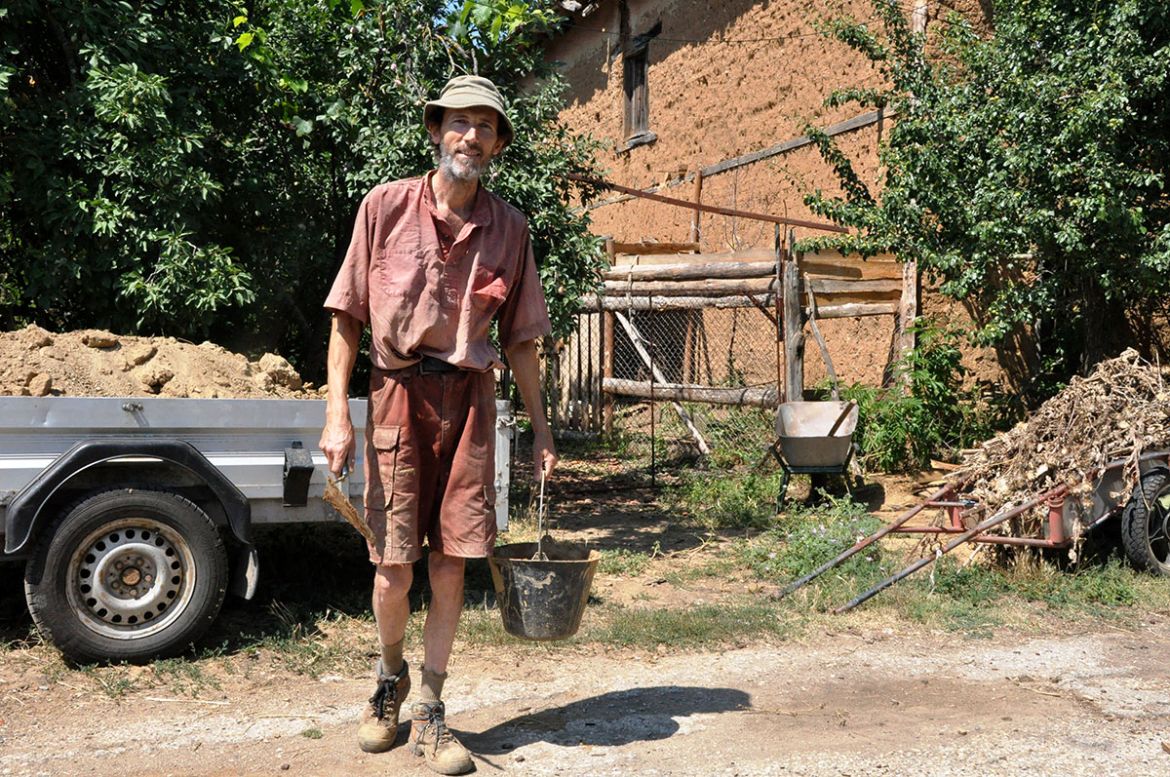
Wolfgang, 49, a former truck driver, joined the community 10 years ago with his wife, Margot. Now divorced, they continue to live in the group. 'We are looking for spirituality,' explains Wolfgang. [Thomas Bruckner/Al Jazeera]
Rediscovering their roots/ Please Do Not Use
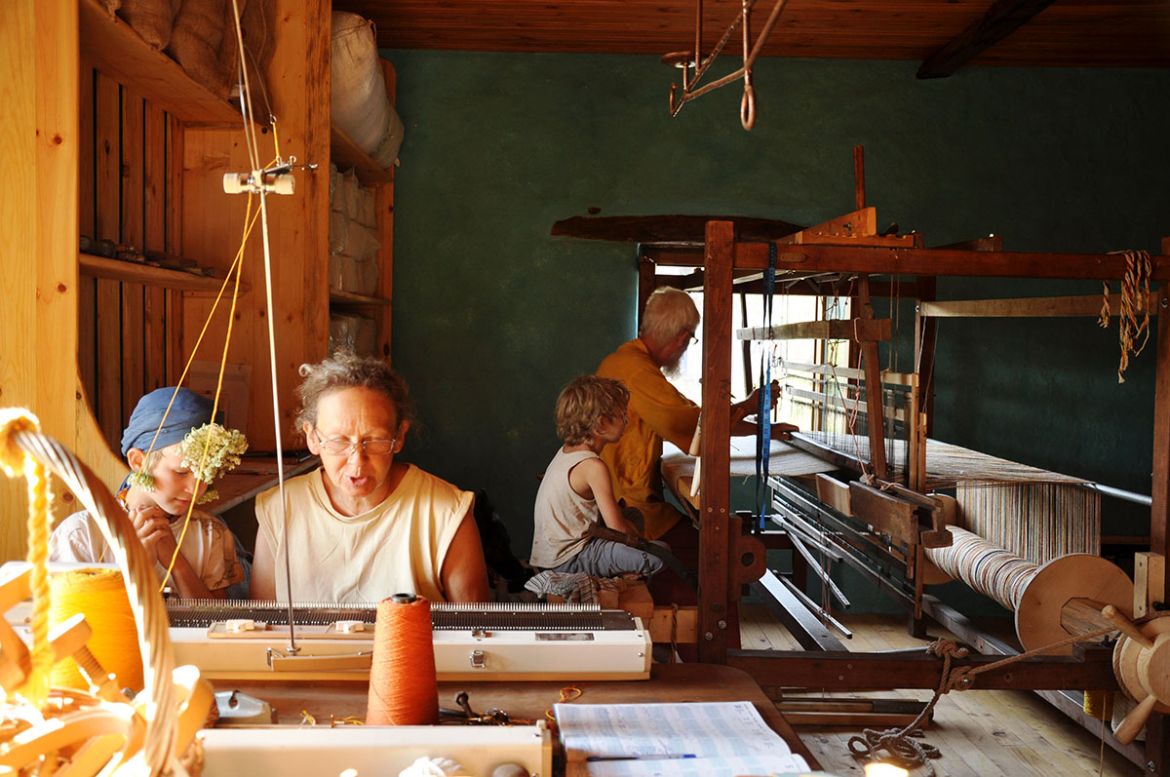
Looms are the community's latest acquisition. They want to be able to weave all of their own clothing. 'Being able to use old machines like these is valuable knowledge that has to be shared and passed on. If that knowledge is lost, it will make everyone even more dependent on industry,' says Gabi, 60. [Thomas Bruckner/Al Jazeera]


  • About

    • About Us
    • Code of Ethics
    • Terms and Conditions
    • EU/EEA Regulatory Notice
    • Privacy Policy
    • Cookie Policy
    • Cookie Preferences
    • Accessibility Statement
    • Sitemap
    • Work for us
  • Connect

    • Contact Us
    • User Accounts Help
    • Advertise with us
    • Stay Connected
    • Newsletters
    • Channel Finder
    • TV Schedule
    • Podcasts
    • Submit a Tip
  • Our Channels

    • Al Jazeera Arabic
    • Al Jazeera English
    • Al Jazeera Investigative Unit
    • Al Jazeera Mubasher
    • Al Jazeera Documentary
    • Al Jazeera Balkans
    • AJ+
  • Our Network

    • Al Jazeera Centre for Studies
    • Al Jazeera Media Institute
    • Learn Arabic
    • Al Jazeera Centre for Public Liberties & Human Rights
    • Al Jazeera Forum
    • Al Jazeera Hotel Partners

Follow Al Jazeera English:

  • facebook
  • twitter
  • youtube
  • instagram-colored-outline
  • rss
Al Jazeera Media Network logo
© 2025 Al Jazeera Media Network