Skip linksSkip to Content
play
Live
Navigation menu
  • News
    • Africa
    • Asia
    • US & Canada
    • Latin America
    • Europe
    • Asia Pacific
  • Middle East
  • Explained
  • Opinion
  • Sport
  • Video
    • Features
    • Economy
    • Human Rights
    • Climate Crisis
    • Investigations
    • Interactives
    • In Pictures
    • Science & Technology
    • Podcasts
    • Travel
play
Live
Navigation menu
  • Israel-Palestine conflict
  • What’s the fallout from Israel’s land grab?
  • 'The next stage of the Gaza genocide has begun'
  • How Israel turned food into a weapon of war
  • How important is the Rafah crossing reopening?

In Pictures

Gallery|Gaza

Empty towns to sea laundry: How war has changed Israel, Palestine

From cleared-out border towns in Israel to devastated cities in Gaza and harassed Palestinians in Jerusalem, nothing is the same.
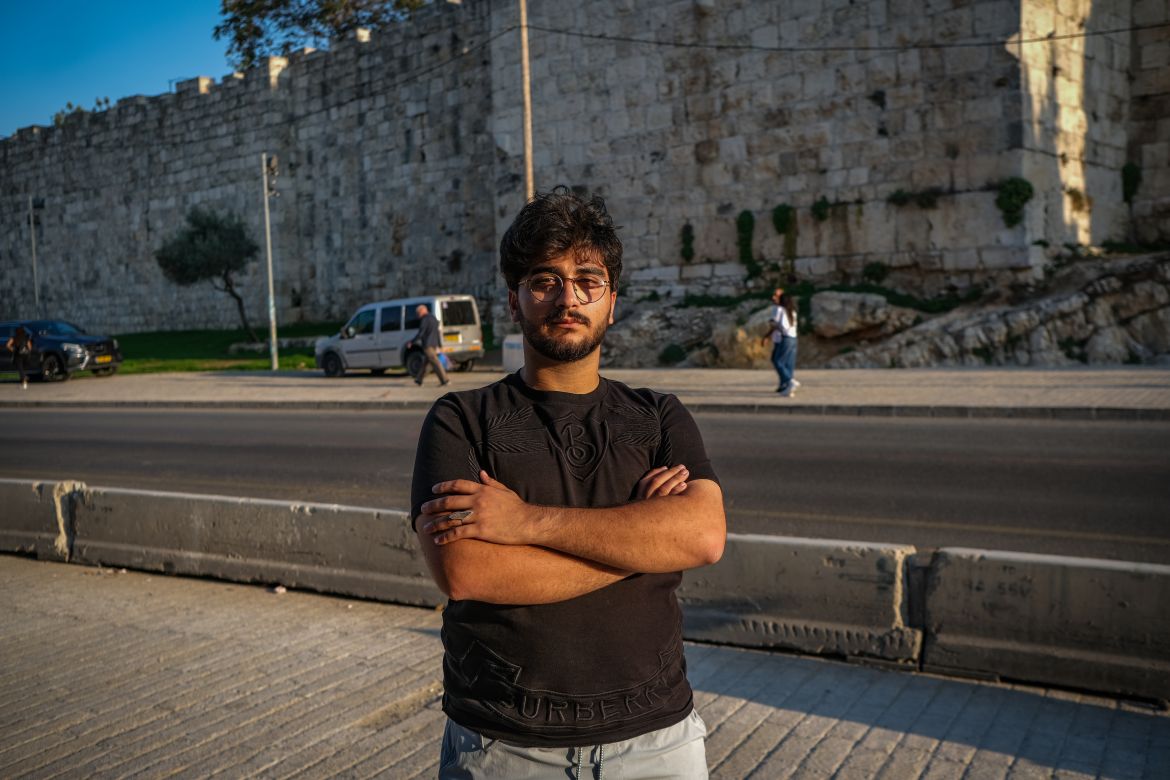
Collective punishment Adnan - Adnan Barq, A Palestinian from the Old City in Jerusalem, says Palestinians in Jerusalem have long borne the brunt of “a policy of collective punishment” from the Israeli authorities when there is a flare-up in tension due to its symbolic significance.
Adnan Barq, a Palestinian from Jerusalem's Old City, says Palestinians in Jerusalem have long borne the brunt of “a policy of collective punishment” from the Israeli authorities when there is a flare-up in tensions. [Nils Adler/Al Jazeera]
By Nils Adler
Published On 27 Nov 202327 Nov 2023

Share

facebooktwitterwhatsappcopylink

Save

On October 7, Hamas launched deadly attacks on southern Israel, prompting a relentless aerial bombardment of the Gaza Strip and a subsequent ground offensive by Israel that has killed nearly 15,000 Palestinians.

The war has changed the lives of people all across the occupied Palestinian territories and Israel, a 26,790sq-km (10,345sq-mile) area similar in size to Haiti (27,750sq km/10,715sq miles) or Albania (28,748sq km/11,100sq miles).

What has changed, however, varies dramatically from place to place.

In Israel’s north near the border with Lebanon, sporadic shelling occurs throughout the day, and most locals have been evacuated as tensions with Hezbollah rise.

The locals who remain live in near ghost towns and are often heavily armed.

Those who have been displaced also include the residents of the kibbutzim and towns in southern Israel near Gaza. They have been moved into hotels, often in scenic seaside locations. Five-star hotels along the Dead Sea coast no longer exude a sense of luxury as families spread out in common areas, children playing loudly in their new temporary homes.

The seaside resorts in Israel’s southern city of Eilat by the Red Sea and sandwiched between Jordan and Egypt have also been filled with Israeli families from near the Gaza border. The city has been the subject of missile attacks from Houthi fighters in Yemen. Israeli warplanes roar over beach bars and fancy restaurants as they scramble to deal with the threat over the sun-drenched Gulf of Aqaba.

In the occupied West Bank, Israeli raids have killed more than 200 Palestinians while Palestinians living in occupied East Jerusalem have faced regular harassment by police and the Israeli military since October 7. Palestinians there speak of a “collective punishment”, in which Israeli authorities are targeting the Palestinian community for the Hamas attacks, which killed 1,200 people.

Advertisement

At times, there is some commonality to the experience of life at war. At other times, there is profound contrast, from the images of families in Gaza without access to clean water forced to wash in polluted seawater to volleyball matches and sunbathers farther up the coast on Tel Aviv’s popular beachfront.

In Gaza, the bombardments have left swathes of the besieged enclave in ruins. In cities across Israel, regular rocket attacks are largely intercepted by the Iron Dome system. Some people choose to take shelter, and others go about their daily business.

And then, at other times, the different experiences are less visible but no less deep: Scratch beneath the surface and the tensions are palpable. Palestinians living in Israel can go about their daily lives but speak privately of being silenced, unable to express solidarity or even sympathy for the people of Gaza.

Here is a snapshot of life at war.
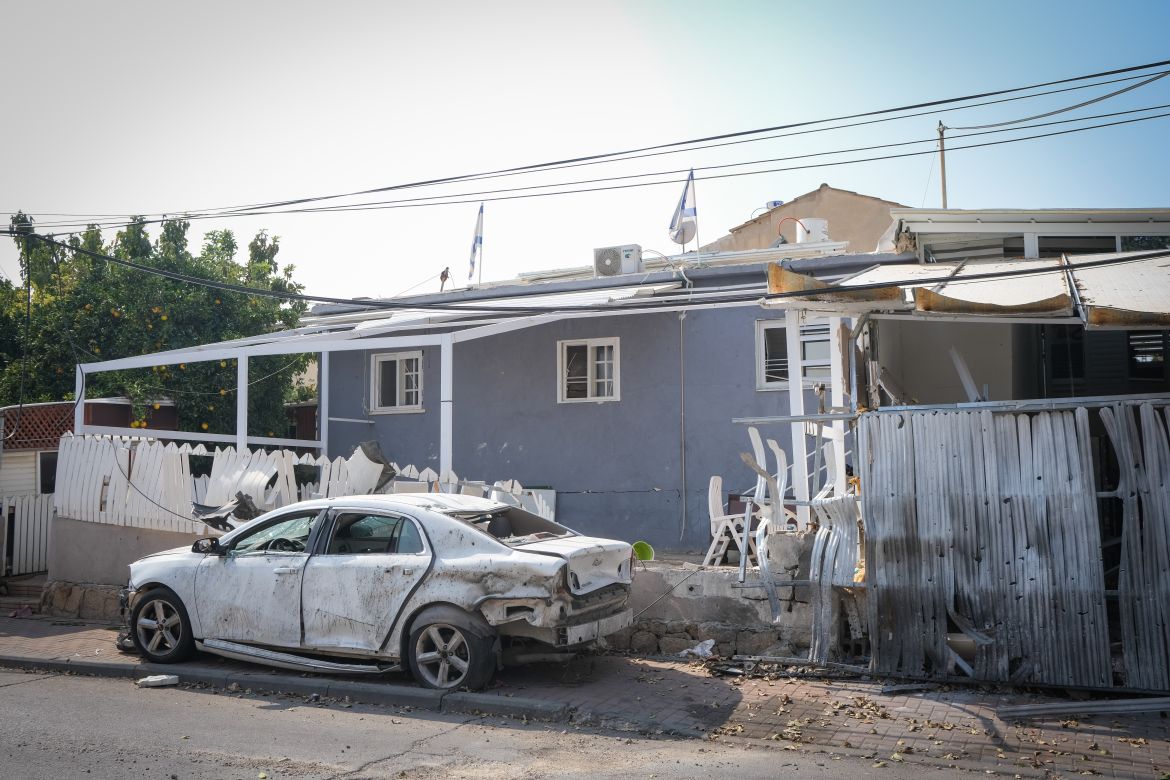
Ashkelon, Israel - A house in the southern Israeli city which a rocket fired by Hamas hit. The city sits roughly a dozen kilometres from the border with Gaza.
A house in the southern Israeli city of Ashkelon has been damaged by a rocket fired by Hamas. The city sits roughly 12km (7.5 miles) from the border with Gaza. [Nils Adler/Al Jazeera]
Advertisement
Beersheba - Life has returned to relative normalcy in the city of Beersheba, an architecturally eclectic city nestled on the northern edges of the Negev desert in southern Israel.
Life has returned to relative normalcy in the city of Beersheba, an architecturally eclectic city nestled on the northern edges of the Negev desert in southern Israel. [Nils Adler/Al Jazeera]
Tel Aviv nightlife - Bars and restaurants remain open in Tel Aviv during the day and evening, although many operate at limited capacity.
Bars and restaurants remain open in Tel Aviv during the day and evening although many operate at limited capacity. [Nils Adler/Al Jazeera]
Solar power station - The Ashalim solar plant in Israel’s Negev desert. Israel has not suffered from any electricity blackouts, unlike Gaza, where the only power plant in Deir al-Balah ran out of fuel on the 11th of October
The Ashalim solar power plant continues to operate in Israel’s Negev desert. Israel has not suffered any electricity blackouts, unlike Gaza, where the only power plant in Deir el-Balah ran out of fuel on October 11. [Nils Adler/Al Jazeera]
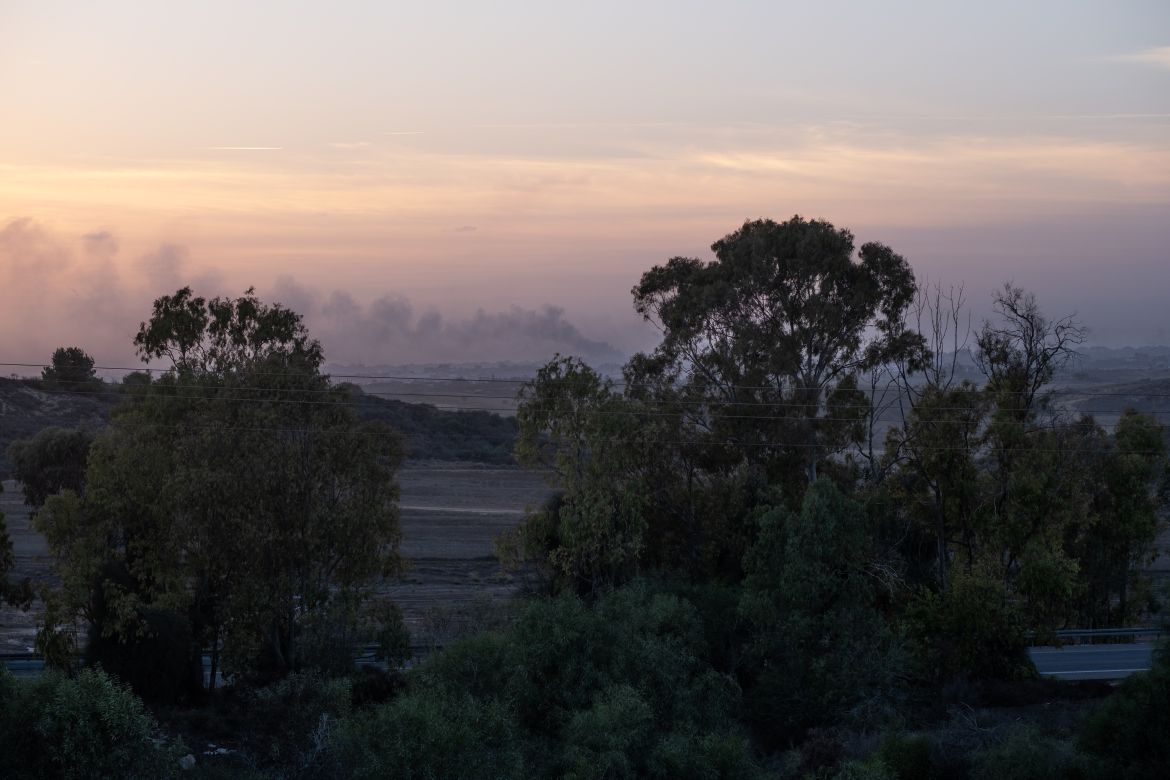
The view of northern Gaza in the southern Israeli city of Sderot, which was attacked on October 7. The city has been evacuated, and the sound of drones, warplanes and missiles can be heard throughout the day.
The view of northern Gaza from the southern Israeli city of Sderot, which was attacked on October 7. The city has been evacuated, and the sound of drones, warplanes and missiles can be heard throughout the day. [Nils Adler/Al Jazeera]
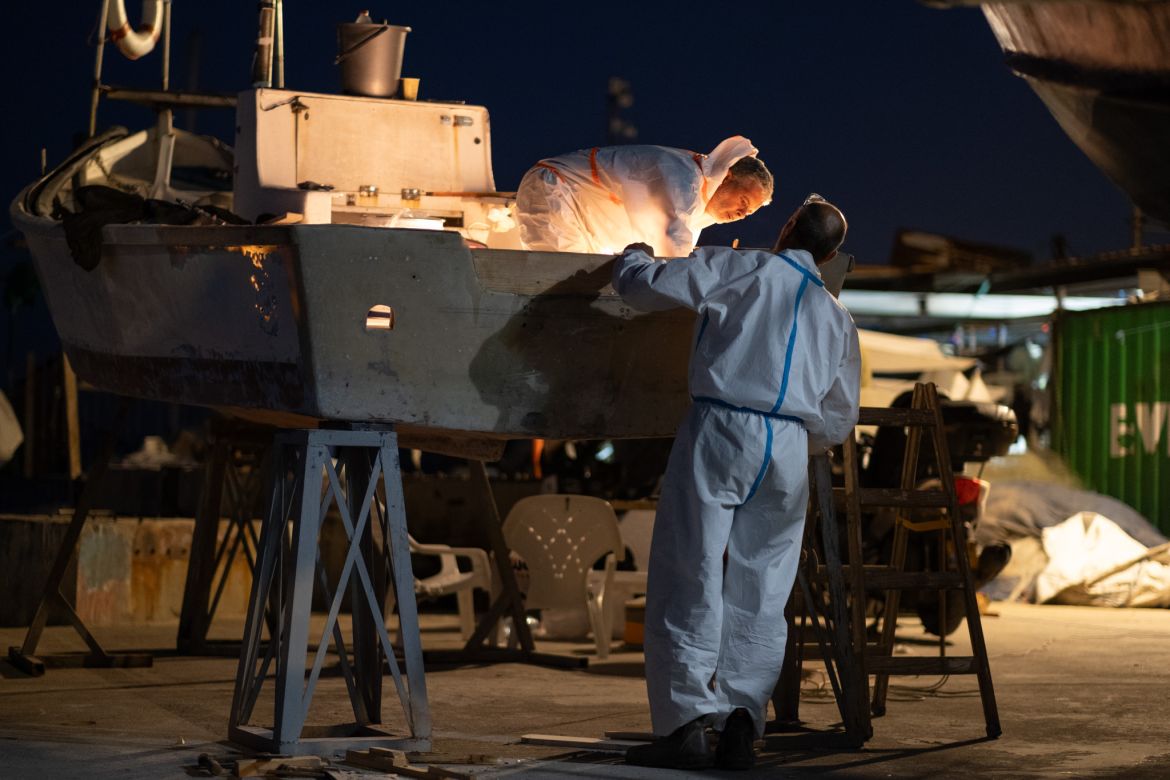
The fishermen of Jaffa, many of whom are Palestinian Israelis, have seen business drop since the start of the war.
The fishermen of Jaffa, many of whom are Palestinian Israelis, have seen business drop since the start of the war. [Nils Adler/Al Jazeera]
Advertisement
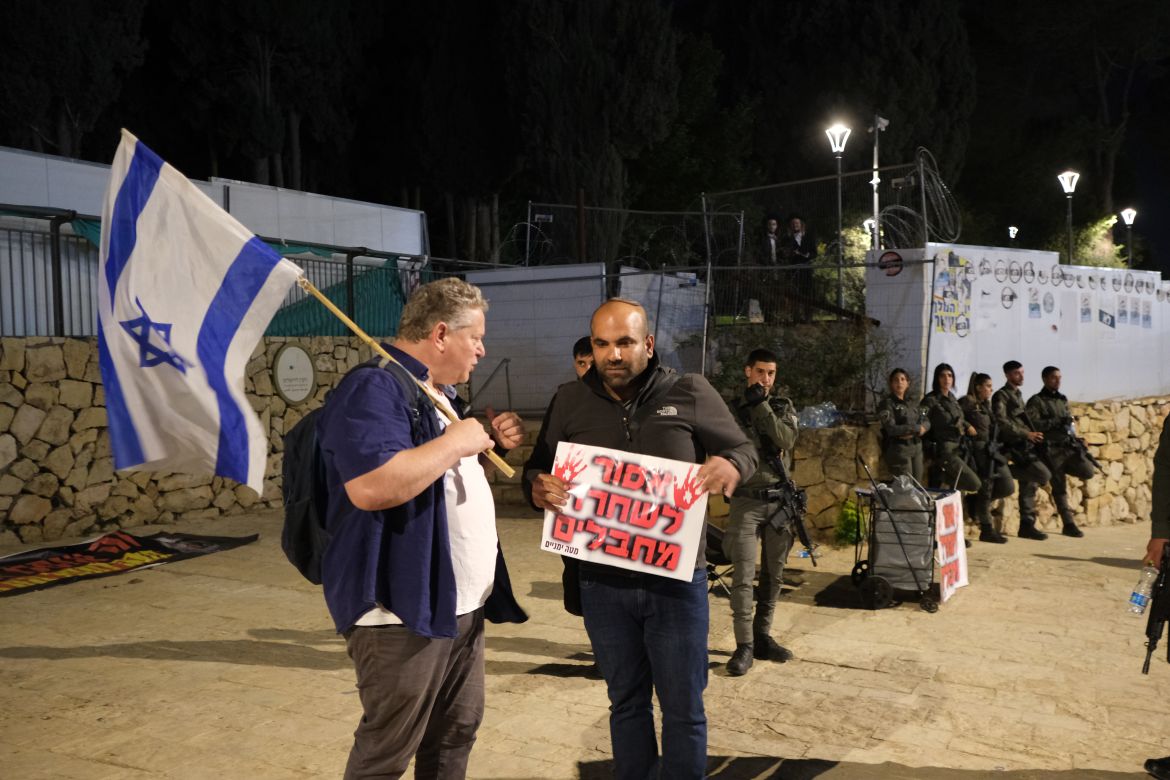
Thousands of Israelis march in Jerusalem to keep pressure on the government and calling for the release of the hostages held in Gaza
Thousands of Israelis march in Jerusalem to keep pressure on the government as they call for the release of captives held in Gaza. [Nils Adler/Al Jazeera]
the Old City of Jerusalem has been quieter than usual since the war began.
The Old City of Jerusalem has been quieter than usual since the war began. [Nils Adler/Al Jazeera]
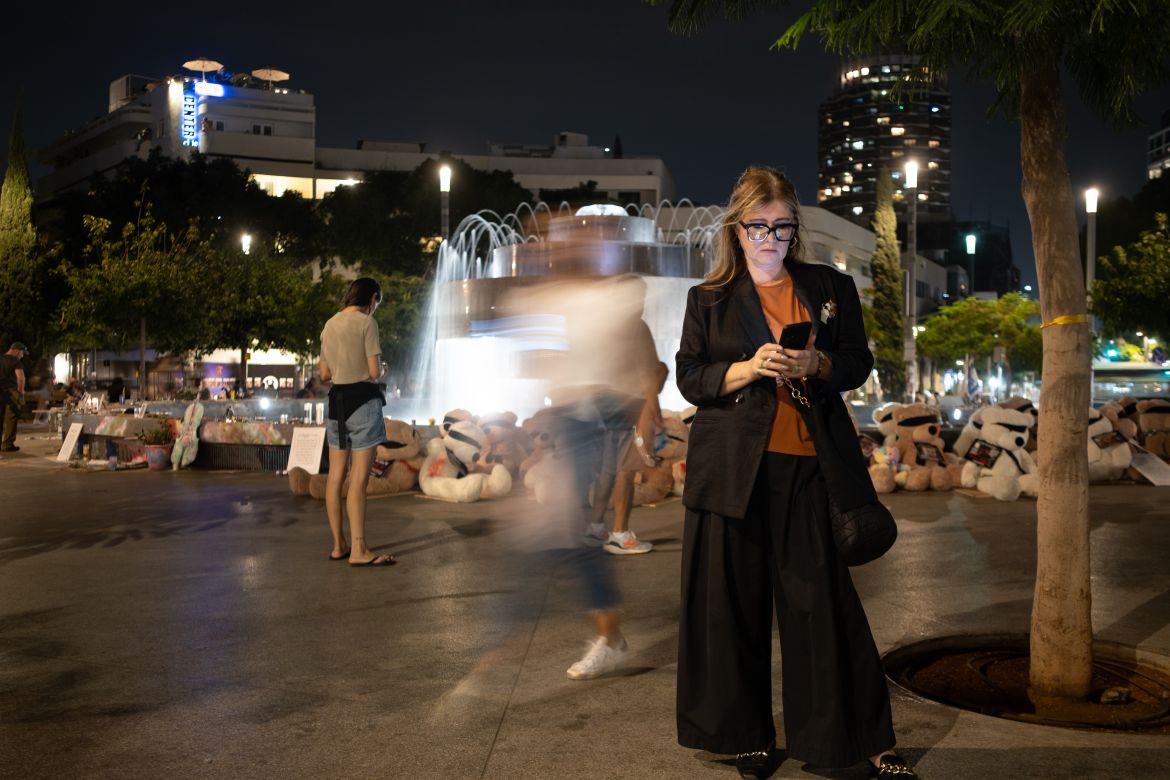
Every day in Tel Aviv, people gather to protest Benjamin Netanyahu’s handling of the hostage crisis.
Every day in Tel Aviv, people gather to protest Prime Minister Benjamin Netanyahu’s handling of the captive crisis. [Nils Adler/Al Jazeera]
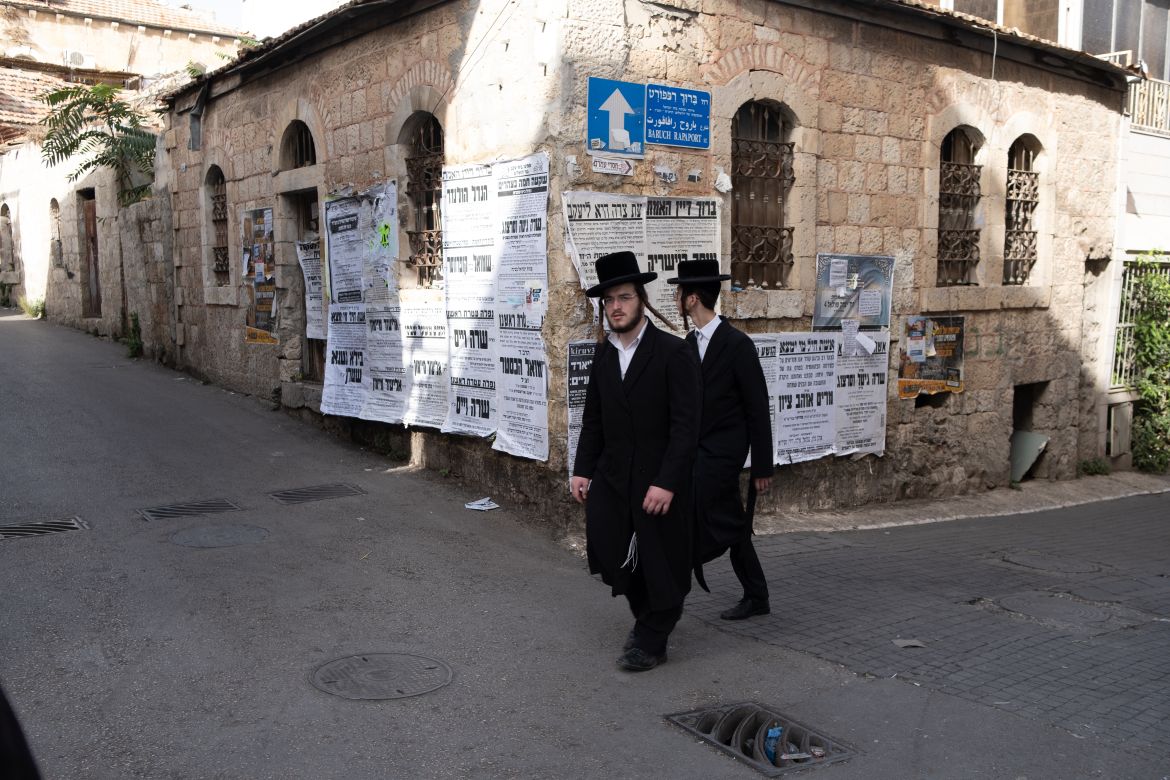
The ultra-Orthodox community in Mea She'arim, Jerusalem, has long endured a fractious relationship with the Israeli authorities, with some rejecting the state of Israel on religious and political grounds.
The ultra-Orthodox community in Mea She'arim, Jerusalem, has long had a fractious relationship with the Israeli authorities with some rejecting the state of Israel on religious and political grounds. [Nils Adler/Al Jazeera]
Palestinian-Israeli solidarity event - A meeting of the Standing Together a grassroots movement that promotes peace between Israel and Palestinians in Baka el-Garbiya, northern Israel.
Standing Together, a grassroots movement that promotes peace between Israel and Palestinians, meets in Baqa al-Gharbiyya in northern Israel. [Nils Adler/Al Jazeera]
People armed in Tel Aviv - Many Israeli adults carry weapons since October 7
Many Israeli adults carry weapons since October 7. [Nils Adler/Al Jazeera]
Thousand of Israeli soldiers were rushed to the border with Gaza in the first weeks of the war.
Thousand of Israeli soldiers were rushed to the border with Gaza in the first weeks of the war. [Nils Adler/Al Jazeera]
The beaches in Tel Aviv are much emptier than before the war but many residents continue to play sports, sunbathe and relax by the beachfront.
The beaches in Tel Aviv are much emptier than before the war, but many residents continue to play sports, sunbathe and relax by the Mediterranean. [Nils Adler/Al Jazeera]
Palestinians using the sea to wash their clothes and bathe
Palestinians in the Gaza Strip without access to clean water use seawater to wash their clothes and bathe. [Ashraf Amra/Al Jazeera]
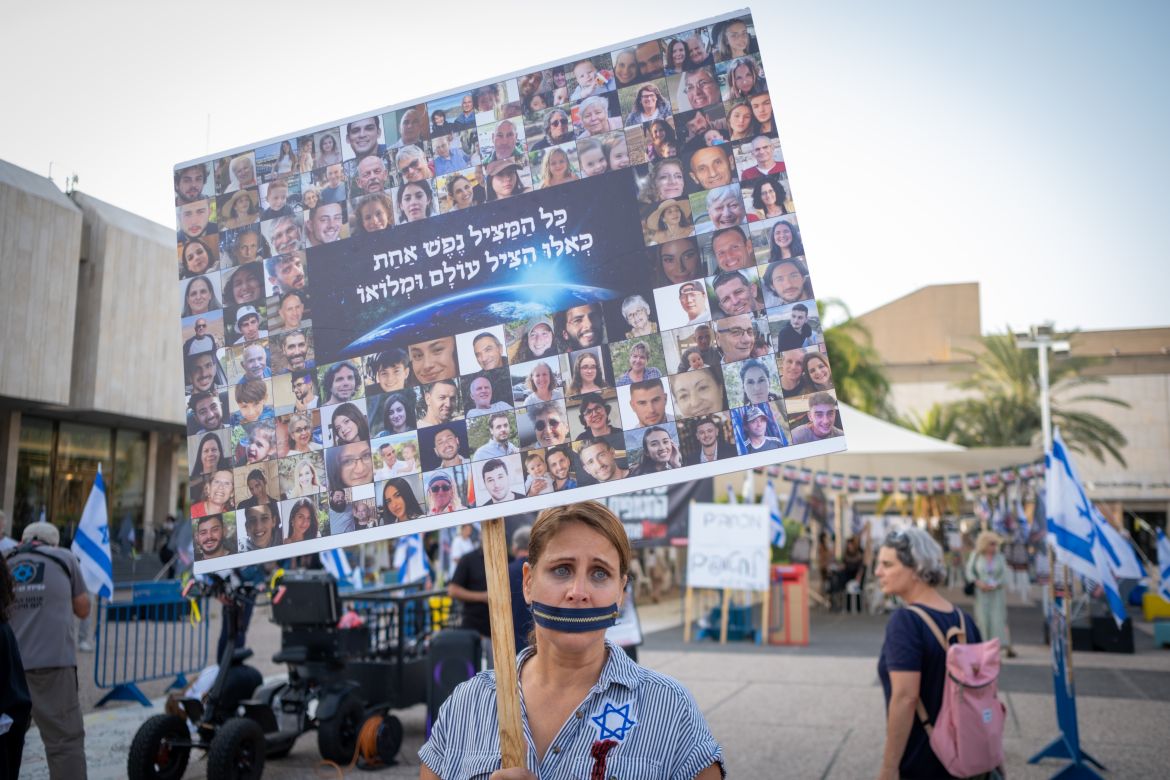
Tel Aviv families of hostages - Family members of the hostages held in Gaza protest each day in central Tel Aviv.
Family members of the captives held in Gaza protest each day in central Tel Aviv. [Nils Adler/Al Jazeera]
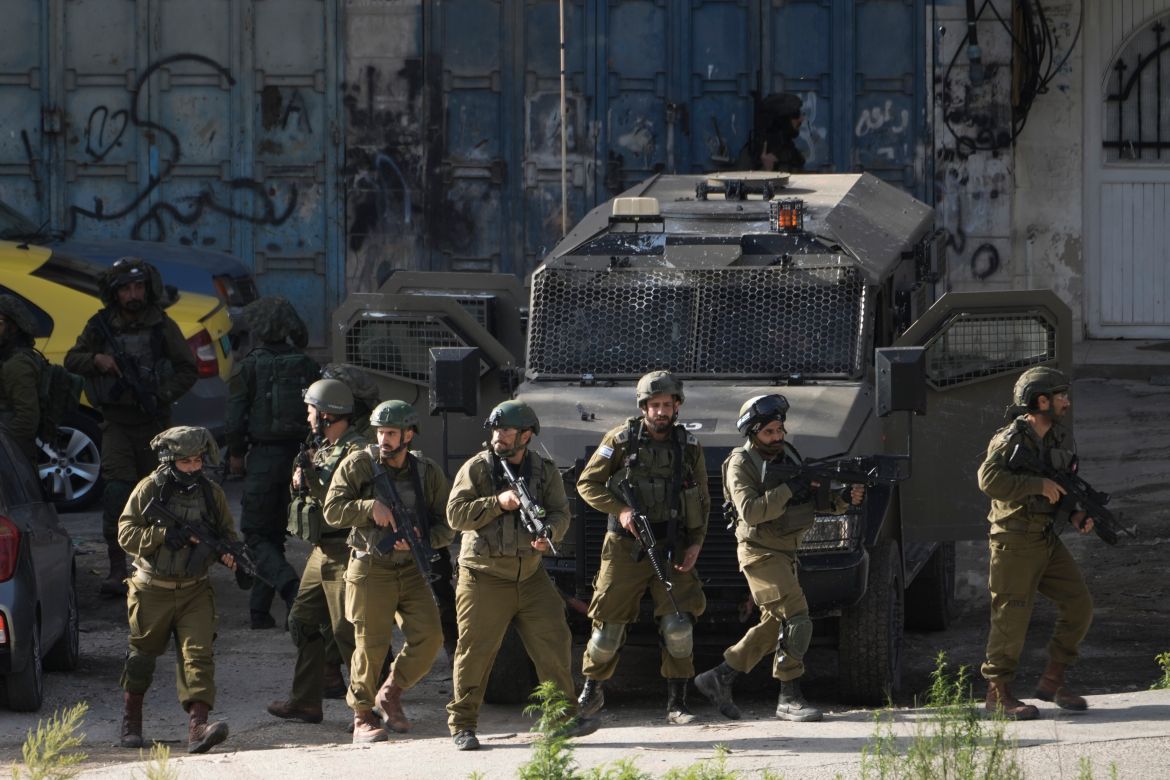
Israeli forces deploy during a raid on Balata, a Palestinian refugee camp in Nablus, West Bank
Israeli forces deploy during a raid on Balata, a Palestinian refugee camp in Nablus in the occupied West Bank. [Majdi Mohammed/AP Photo]


  • About

    • About Us
    • Code of Ethics
    • Terms and Conditions
    • EU/EEA Regulatory Notice
    • Privacy Policy
    • Cookie Policy
    • Cookie Preferences
    • Accessibility Statement
    • Sitemap
    • Work for us
  • Connect

    • Contact Us
    • User Accounts Help
    • Advertise with us
    • Stay Connected
    • Newsletters
    • Channel Finder
    • TV Schedule
    • Podcasts
    • Submit a Tip
    • Paid Partner Content
  • Our Channels

    • Al Jazeera Arabic
    • Al Jazeera English
    • Al Jazeera Investigative Unit
    • Al Jazeera Mubasher
    • Al Jazeera Documentary
    • Al Jazeera Balkans
    • AJ+
  • Our Network

    • Al Jazeera Centre for Studies
    • Al Jazeera Media Institute
    • Learn Arabic
    • Al Jazeera Centre for Public Liberties & Human Rights
    • Al Jazeera Forum
    • Al Jazeera Hotel Partners

Follow Al Jazeera English:

  • facebook
  • twitter
  • youtube
  • instagram-colored-outline
  • rss
Al Jazeera Media Network logo
© 2026 Al Jazeera Media Network