Skip linksSkip to Content
play
Live
Navigation menu
  • News
    • Africa
    • Asia
    • US & Canada
    • Latin America
    • Europe
    • Asia Pacific
  • Middle East
  • Explained
  • Opinion
  • Sport
  • Video
    • Features
    • Economy
    • Human Rights
    • Climate Crisis
    • Investigations
    • Interactives
    • In Pictures
    • Science & Technology
    • Podcasts
    • Travel
play
Live

In Pictures

Gallery

Preserving skiing’s origins in China’s remote west

Archaeologists have dated cave paintings showing people on skis in Xinjiang between 10,000 to 30,000 years ago.
Save

Share

facebookxwhatsapp-strokecopylink
Preserving skiing''s origins in China''s remote west
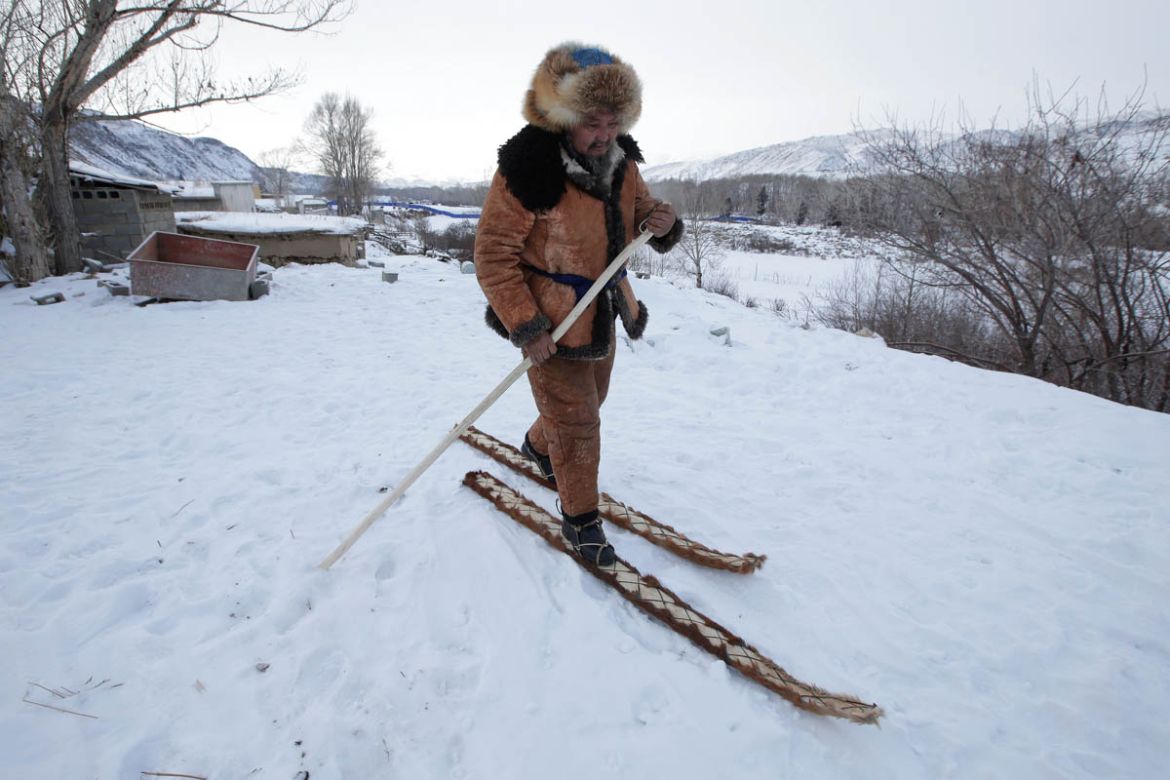
Local craftsman Slanbek, 63, tests traditional horsehide skis outside his house on the outskirts of Altay, in China's Xinjiang Autonomous Region. [Jason Lee/Reuters]
Published On 7 Feb 20187 Feb 2018

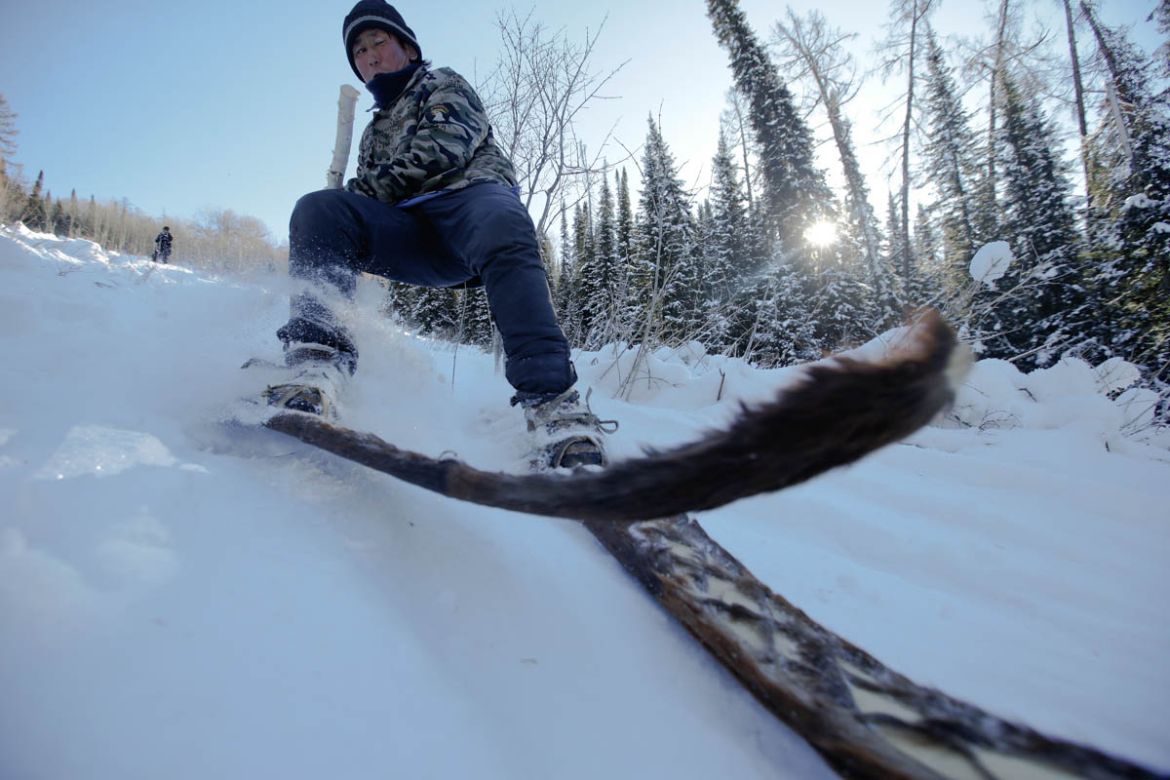
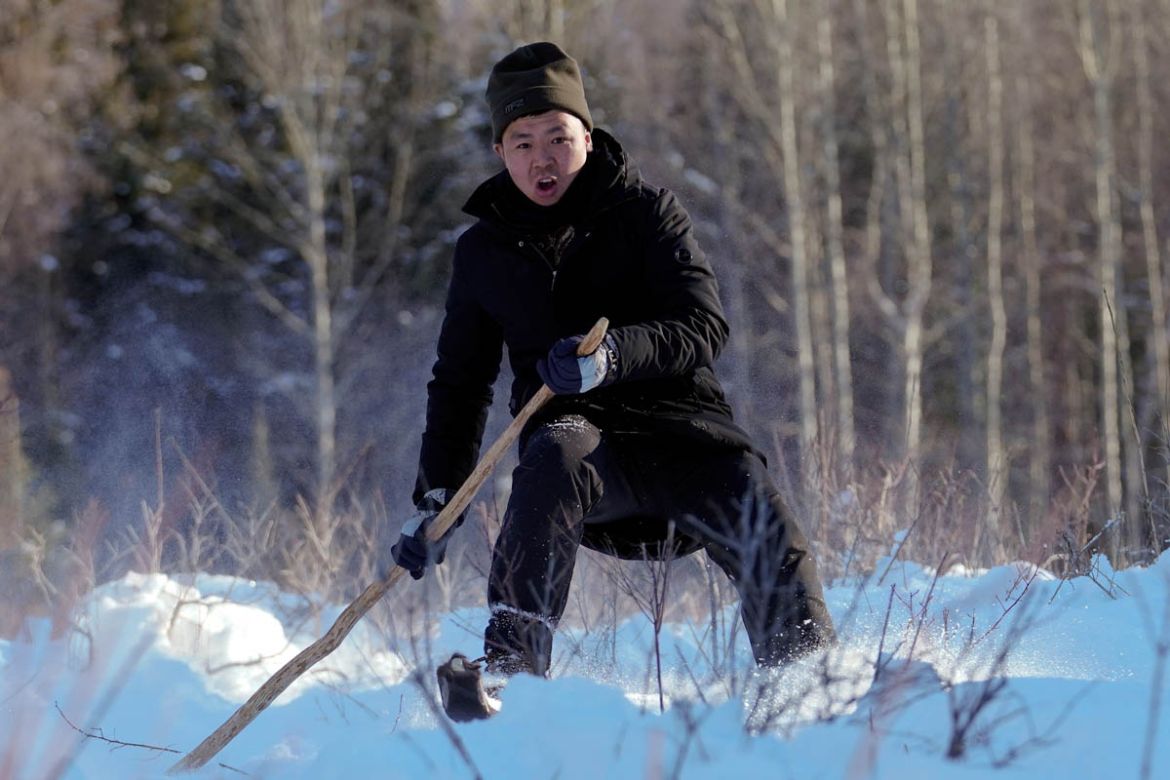
On the western edge of China, Sulita straps on his skis and heads out into a winter morning. The temperature is -30 degrees Celsius.

For much of the year, skiing is the only way to get around Khom, a village of wooden cabins heated by earthen stoves, five hours’ drive from the nearest major town in the northern Altay region of Xinjiang province.

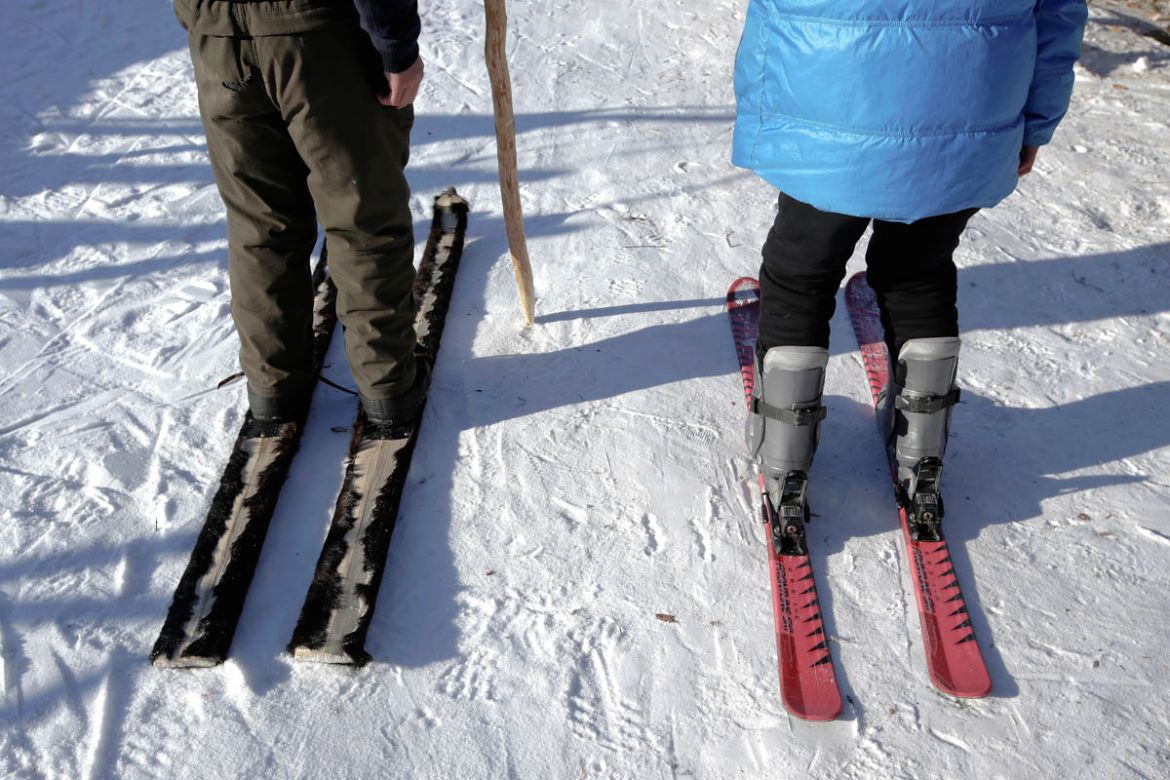
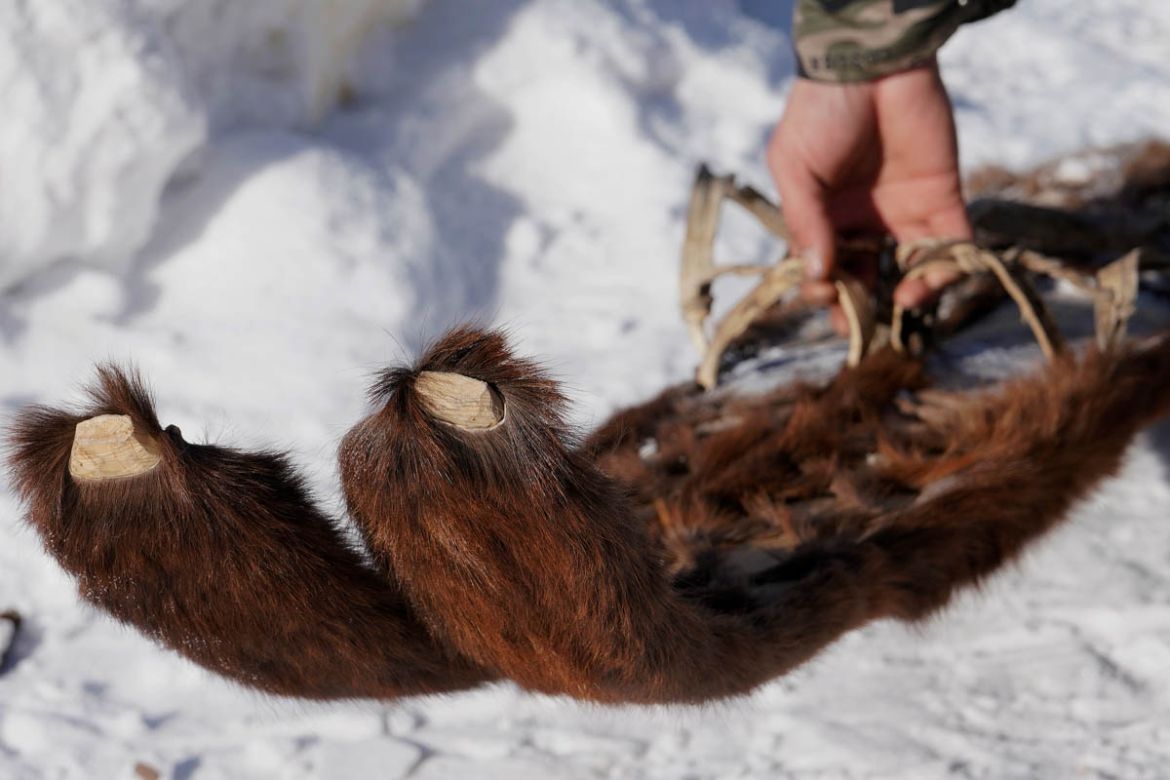
The design of skis used by Sulita, who like many people in this region uses just one name, has barely changed for centuries. The bottoms are covered with horsehide and the boots tied on with leather rope.

The direction of the horse fur helps the skis slide forward while preventing them from slipping backwards when travelling uphill.

“I’ve been up the highest mountains with these,” Sulita said. “When I was young, we used the horsehide skis a lot for hunting, or if we lost a cow or sheep.”

Steeped in tradition

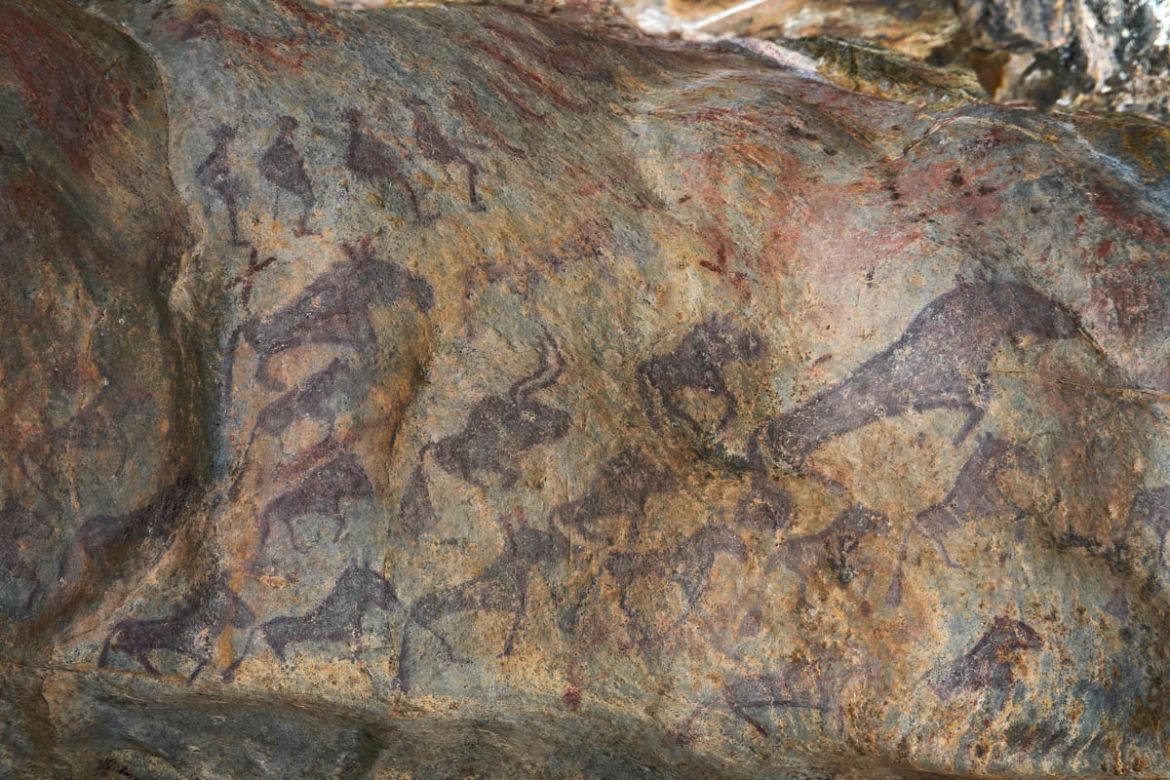
Cave paintings discovered in Altay – home to a mixture of ethnic Tuvans and Kazakhs – show rows of figures standing on what look like skis, with herds of animals running below them.

Archaeologists have dated the cave paintings as being between 10,000 and 30,000 years old, according to Chinese ski historian Shan Zhaojian.

REWIND: Kay Kay – The Girl from Guangzhou (48:24)

That would make them much older than archaeological finds of skis in Russia – cited by the International Ski Federation, the sport’s governing body – as being from 6,300 to 5,000 BC.

“It’s the earliest in the world that’s for sure,” said Shan. “I’ve got a total of 10 pieces of evidence that can prove this.”

Advertisement

China is eager to cash in on this historical connection.

The country is set to host the 2022 Winter Olympics in Beijing and wants 300 million Chinese involved in winter sports before then.

With Shan’s help, the Xinjiang Autonomous Region’s government has organised races using traditional skis and recognises skiing as a cultural heritage.

‘Not much use’

Still, the practice is slowly dying out.

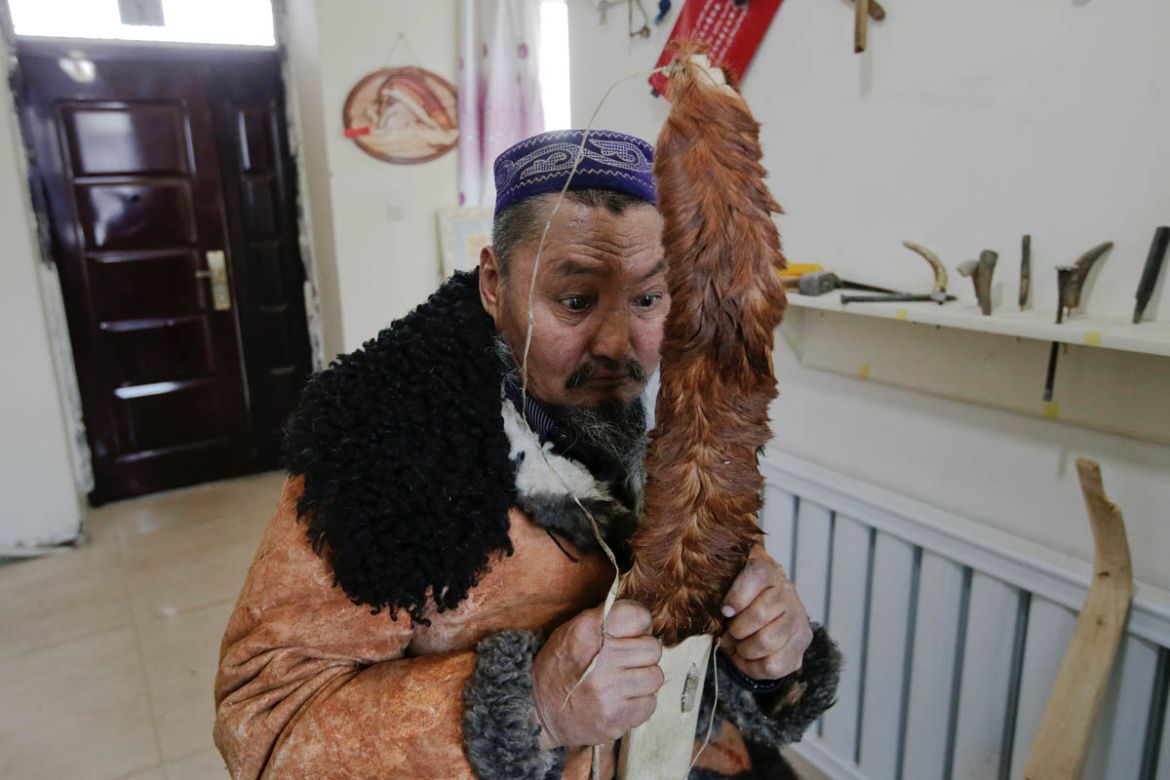
Forty minutes outside Altay city, the regional capital, Slanbek still makes skis, but today they are just for show.

“You can’t hunt any more, you can’t cut down trees, so there’s not much use for them,” he said, referring to official bans on both practices.

Instead, much of Altay has embraced modern skiing. At the General’s Mountain resort, Mongolian folk metal and Adele blast over loudspeakers as children as young as five zip down the slopes.

Its abundant snow and mountains make this region one of the best places for skiing in the country, and instructors hope some of the children training here might become Olympians.

Whether the use of horse-hide skis survives will depend on the younger generation in the remote villages around Khom.
Preserving skiing''s origins in China''s remote west
Sulita, a villager, manoeuvres on traditional horsehide skis in Khom village. [Jason Lee/Reuters]
Advertisement
Preserving skiing''s origins in China''s remote west
Alimase holds traditional horsehide skis in Khom.[Jason Lee/Reuters]
Preserving skiing''s origins in China''s remote west
Yonghong makes buttered tea inside her log cabin in Khom. [Jason Lee/Reuters]
Preserving skiing''s origins in China''s remote west
A cave containing ancient paintings showing what seems to be rows of figures standing on skis, with herds of animals running below. [Jason Lee/Reuters]
Preserving skiing''s origins in China''s remote west
An ancient cave painting showing seem to be people on skis. [Jason Lee/Reuters]
Preserving skiing''s origins in China''s remote west
Alimase skis on traditional horsehide skis in the Altai Mountains. [Jason Lee/Reuters]
Advertisement
Preserving skiing''s origins in China''s remote west
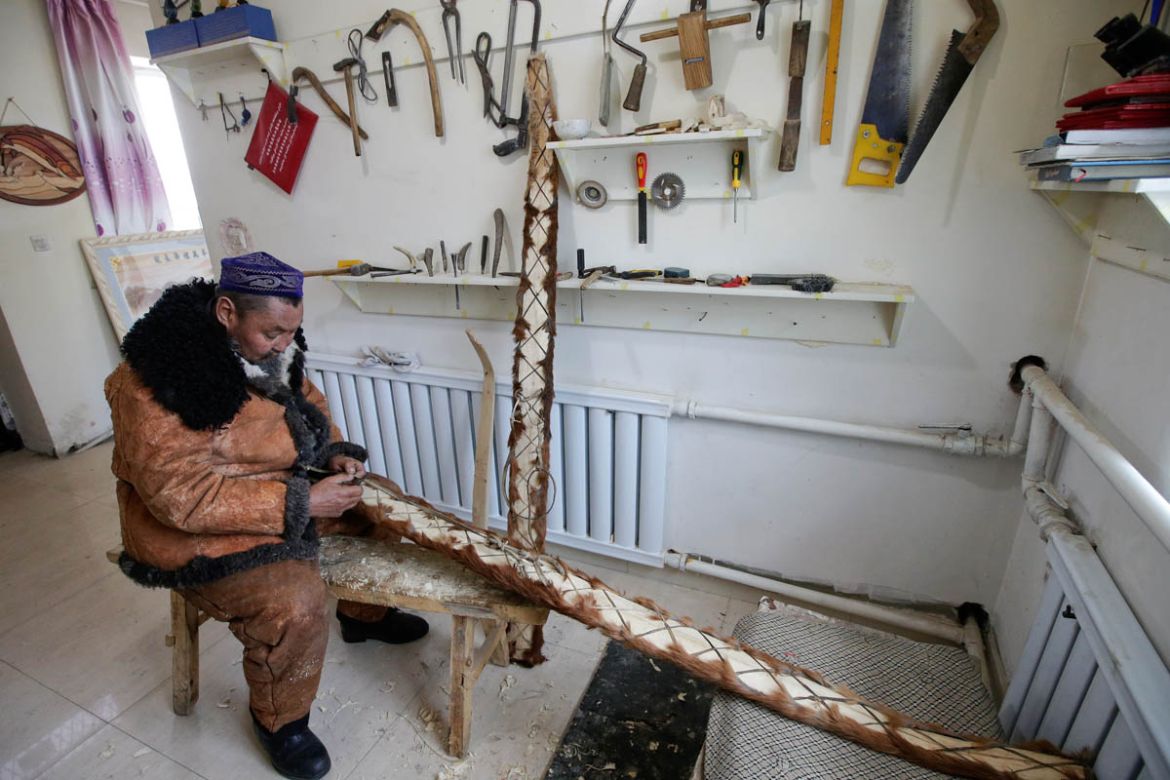
Slanbek stretches horse hide as he makes traditional skis. [Jason Lee/Reuters]
Preserving skiing''s origins in China''s remote west
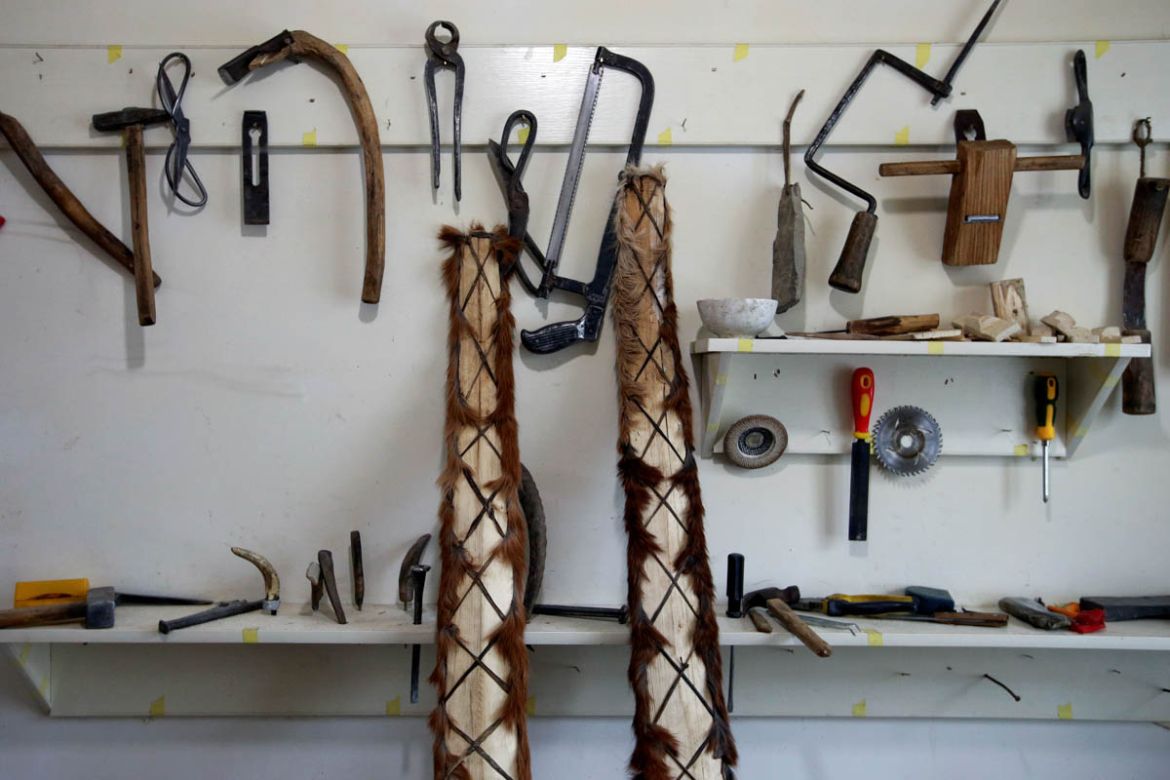
Traditional horsehide skis made by Slanbek stand next to his tools. [Jason Lee/Reuters]
Preserving skiing''s origins in China''s remote west
Traditional horsehide skis in Khom village. [Jason Lee/Reuters]
Preserving skiing''s origins in China''s remote west
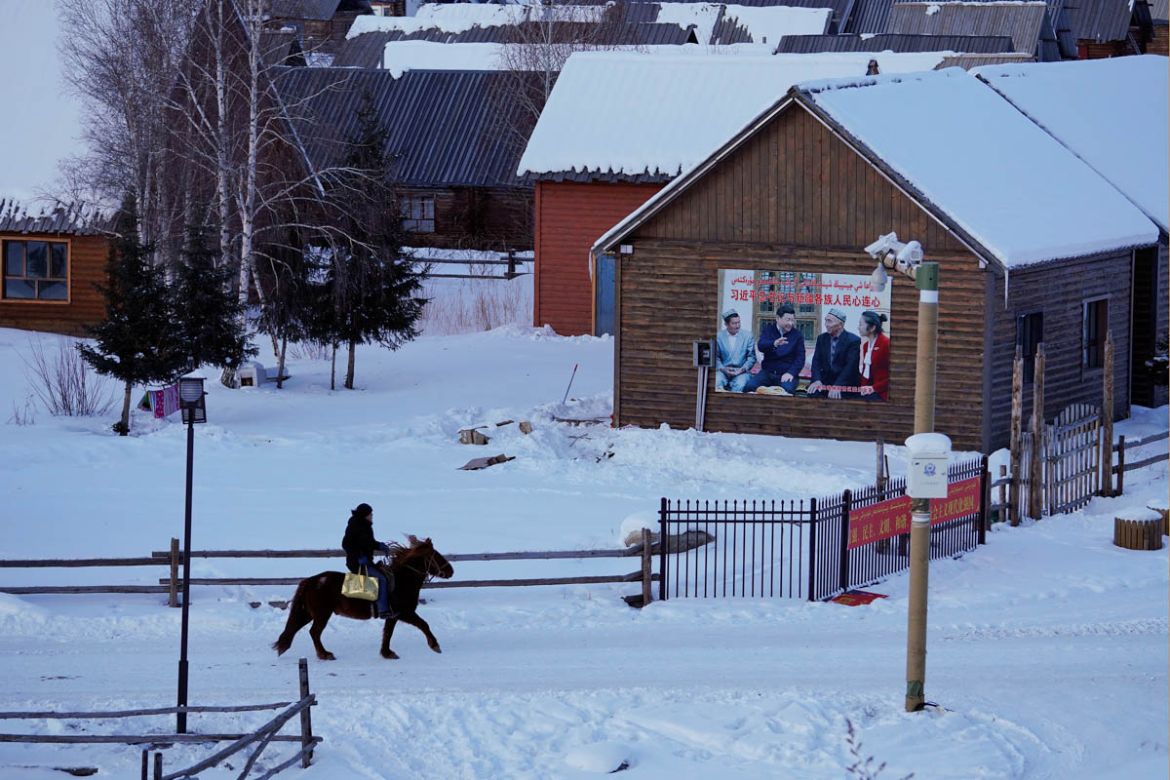
A man rides past a poster showing Chinese President Xi Jinping in Khom village. [Jason Lee/Reuters]
Preserving skiing''s origins in China''s remote west
Slanbek in his workshop. [Jason Lee/Reuters]
Preserving skiing''s origins in China''s remote west
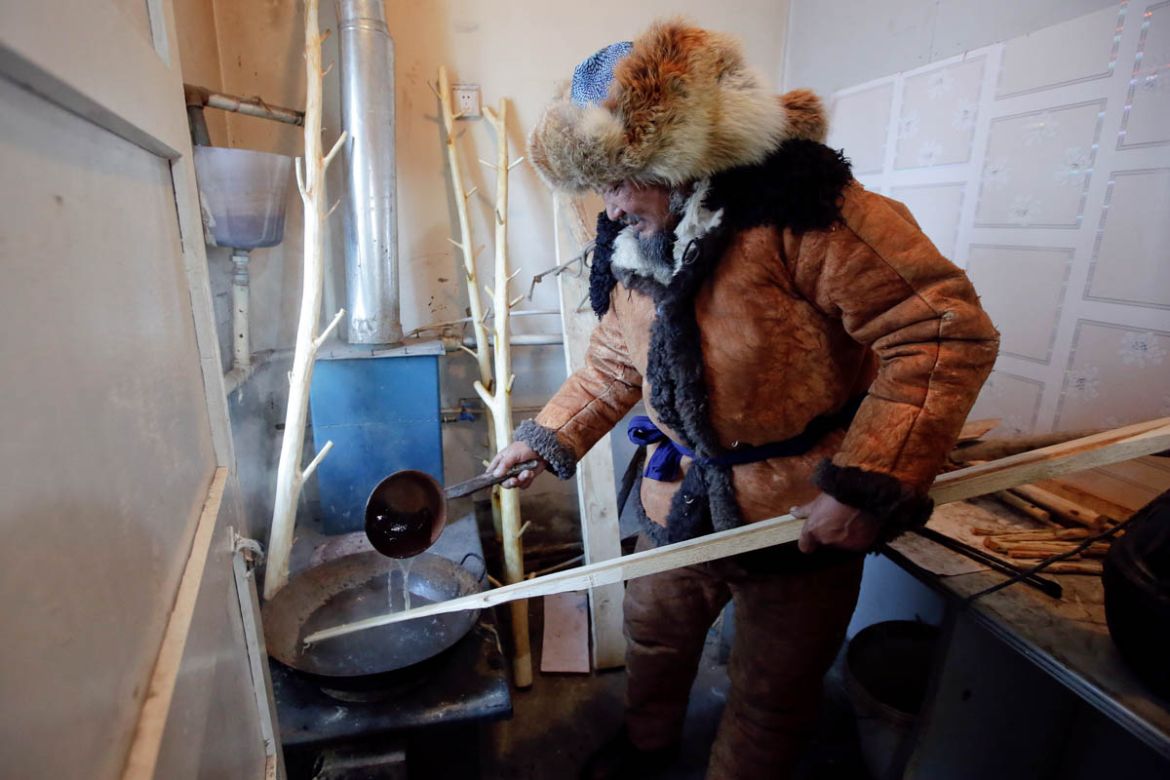
Slanbek pours boiling water to soften the wood he will use to make the skis. [Jason Lee/Reuters]
Preserving skiing''s origins in China''s remote west
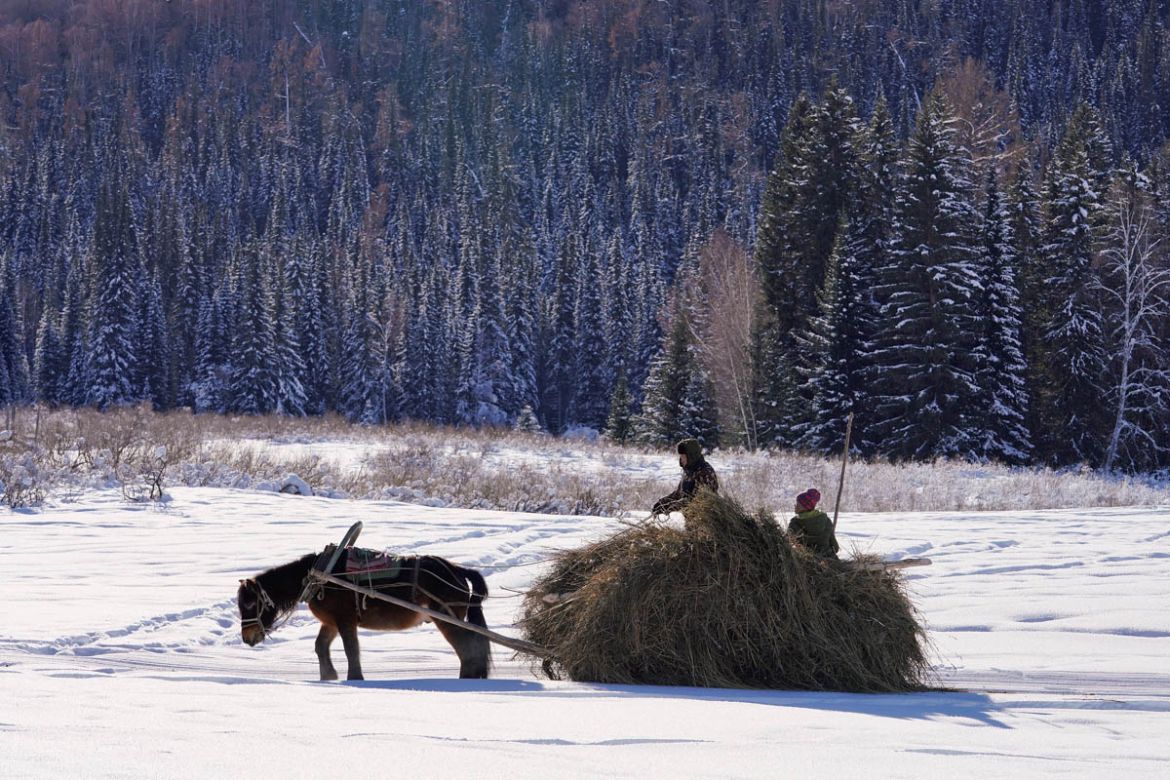
Villagers transporting hay in the Altai Mountains. [Jason Lee/Reuters]
Preserving skiing''s origins in China''s remote west
Mieergenku, 12, stands in the doorway of a log cabin next to handmade horsehide skis. [Jason Lee/Reuters]


  • About

    • About Us
    • Code of Ethics
    • Terms and Conditions
    • EU/EEA Regulatory Notice
    • Privacy Policy
    • Cookie Policy
    • Cookie Preferences
    • Accessibility Statement
    • Sitemap
    • Work for us
  • Connect

    • Contact Us
    • User Accounts Help
    • Advertise with us
    • Stay Connected
    • Newsletters
    • Channel Finder
    • TV Schedule
    • Podcasts
    • Submit a Tip
    • Paid Partner Content
  • Our Channels

    • Al Jazeera Arabic
    • Al Jazeera English
    • Al Jazeera Investigative Unit
    • Al Jazeera Mubasher
    • Al Jazeera Documentary
    • Al Jazeera Balkans
    • AJ+
  • Our Network

    • Al Jazeera Centre for Studies
    • Al Jazeera Media Institute
    • Learn Arabic
    • Al Jazeera Centre for Public Liberties & Human Rights
    • Al Jazeera Forum
    • Al Jazeera Hotel Partners

Follow Al Jazeera English:

  • facebook
  • twitter
  • youtube
  • instagram-colored-outline
  • rss
Al Jazeera Media Network logo
© 2026 Al Jazeera Media Network