Skip linksSkip to Content
play
Live
Navigation menu
  • News
    • Africa
    • Asia
    • US & Canada
    • Latin America
    • Europe
    • Asia Pacific
  • Middle East
  • Explained
  • Opinion
  • Sport
  • Video
    • Features
    • Economy
    • Human Rights
    • Climate Crisis
    • Investigations
    • Interactives
    • In Pictures
    • Science & Technology
    • Podcasts
    • Travel
play
Live

In Pictures

Gallery|Migration

The kindergarten giving hope to refugees in Morocco

Run by Yemeni refugees, the school has given hope to migrants and refugees in Morocco, a country fighting unemployment.

Abdullah wants to build on his initial success not only for his school but also for the children’s future. ‘I don’t have specific plans for the future but we’re aspiring for success not just for our p
Abdullah wants to build on his initial success not only for his school but also for the children's future. 'I don't have specific plans for the future but we're aspiring for success not just for our projects but also the students who come here in order to learn.' [Faras Ghani/Al Jazeera]
By Faras Ghani
Published On 11 Dec 201811 Dec 2018

Share

facebooktwitterwhatsappcopylink

Save

Kenitra, Morocco – A kindergarten called “Hope” operates in the middle of a residential neighbourhood 50km from Morocco’s capital, Rabat.

The name aptly describes the activities taking place inside the brightly coloured building in Kenitra. It is Morocco’s first refugee cooperative, run by a group of Yemenis who came to the country to study but could not go back because of the war in Yemen.

Morocco is home to about 7,500 refugees and asylum seekers from more than 50 countries. Syrians form the bulk of that group – more than 3,000 – but there are also about 700 Yemenis who have fled the three-year-old war.

Among them is Abdullah, who arrived in Morocco almost three years ago.

“The idea to open a school came during a brainstorming session between me and some other Yemeni PhD students here,” said Abdullah, who worked in the education sector in Yemen for a decade before leaving the country in order to follow his studies.

A high percentage of refugees and migrants, especially from sub-Saharan Africa who arrive in Morocco, want to carry on the journey and reach Europe.

In 2013, Morocco launched a migrant regularisation programme through which it has granted residency permits to more than 50,000 people in a move designed to change its image from that of a transit country to a host nation.

It also aimed to provide funding and assistance to those who want to launch their own projects.

“In 2015, Morocco was a transit country then it became progressively a destination country for part of the refugees,” said Bettina Gambert, the UN refugee agency’s deputy representative in Morocco. 

Advertisement

“Since then, the refugees have started staying here longer. If they are registered and assisted here, they will stay.”
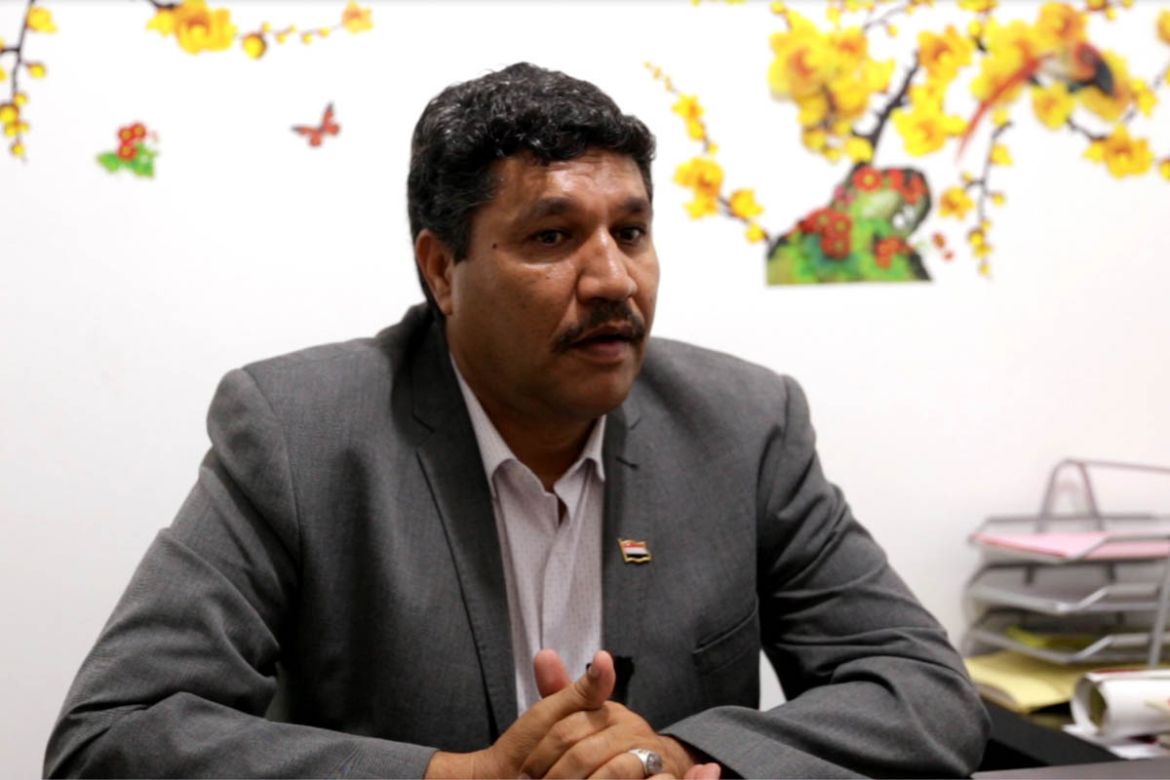
Abdullah lives in Morocco with his wife and children. He said while he left Yemen ‘looking for safety and security’, he has not forgotten about his country and feels homesick, hoping the war would end
Abdullah lives in Morocco with his wife and children. He said while he left Yemen 'looking for safety and security', he has not forgotten about his country and feels homesick, hoping the war will end soon, so he can visit again. [Faras Ghani/Al Jazeera]
Advertisement
Hope kindergarten is located in a residential block in Kenitra, about 50km from the capital Rabat. It’s brightly painted walls makes it stand out from neighbouring buildings. [Faras Ghani/Al Jazeera]
Hope kindergarten is located in a residential block in Kenitra, about 50km from the capital, Rabat. Its brightly painted walls make it stand out from neighbouring buildings. [Faras Ghani/Al Jazeera]
The school was launched in 2017 and currently enrolls around 25 children [Faras Ghani/Al Jazeera]
The school was launched in 2017 and currently enrols about 70 children. [Faras Ghani/Al Jazeera]
In addition to daytime classes, Hope also offers evening classes for parents who wish to send their children for extra lessons. [Faras Ghani/Al Jazeera]
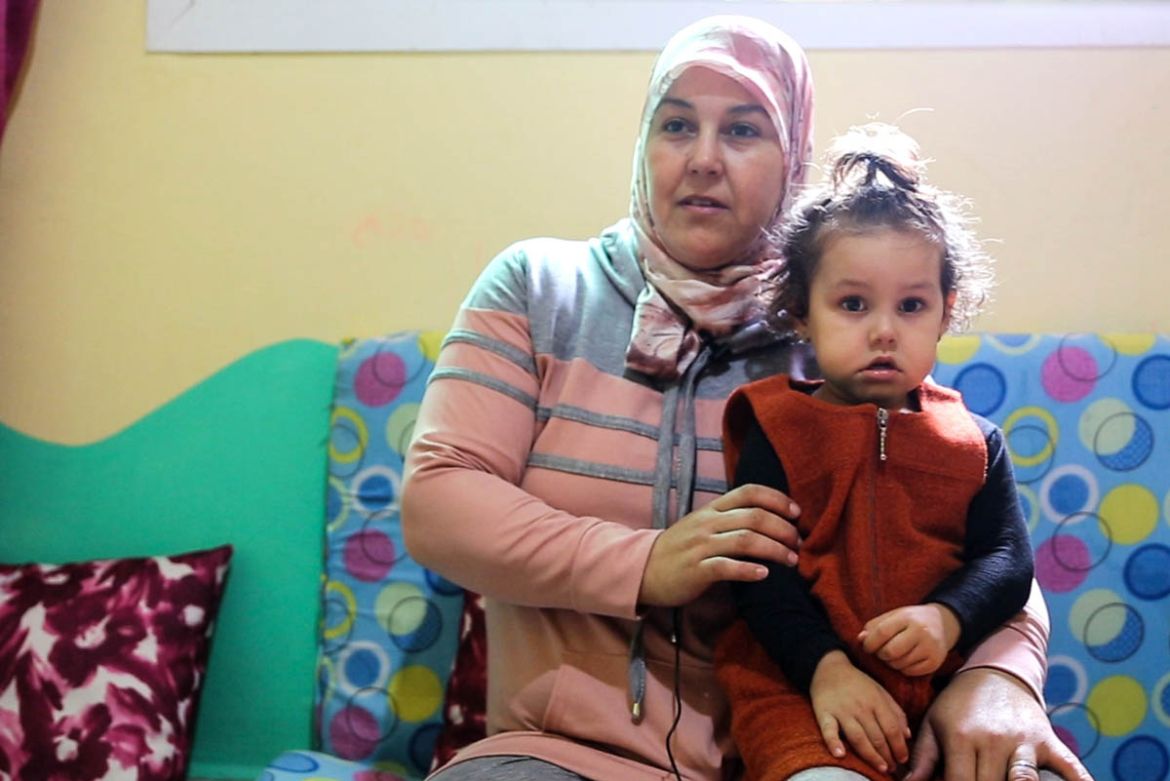
Khadija opted to send her daughter Malak to this school after her neighbours told her good things about the ‘school of the Yemenis’. ‘Since this is run by the Yemenis, the cultural exchange and knowle
Khadija opted to send her daughter Malak to this school after her neighbours told her good things about the 'school of the Yemenis'. 'Since this is run by the Yemenis, the cultural exchange and knowledge that Malak will pick up will also be very useful,' said Khadija. [Faras Ghani/Al Jazeera]
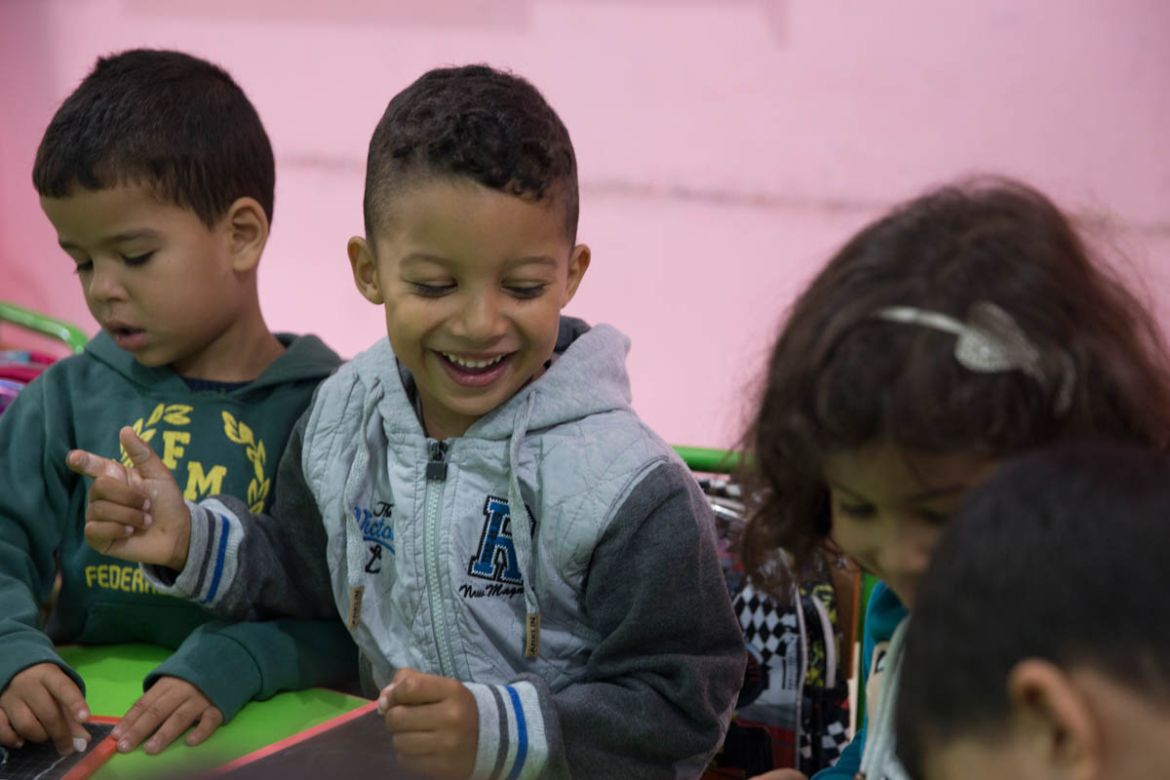
While half of the children study in the classroom, other activities are carried out under the supervision of more teachers for the rest of the group. [Faras Ghani/Al Jazeera]
While half of the children study in the classroom, other activities are carried out under the supervision of teachers. [Faras Ghani/Al Jazeera]
Advertisement
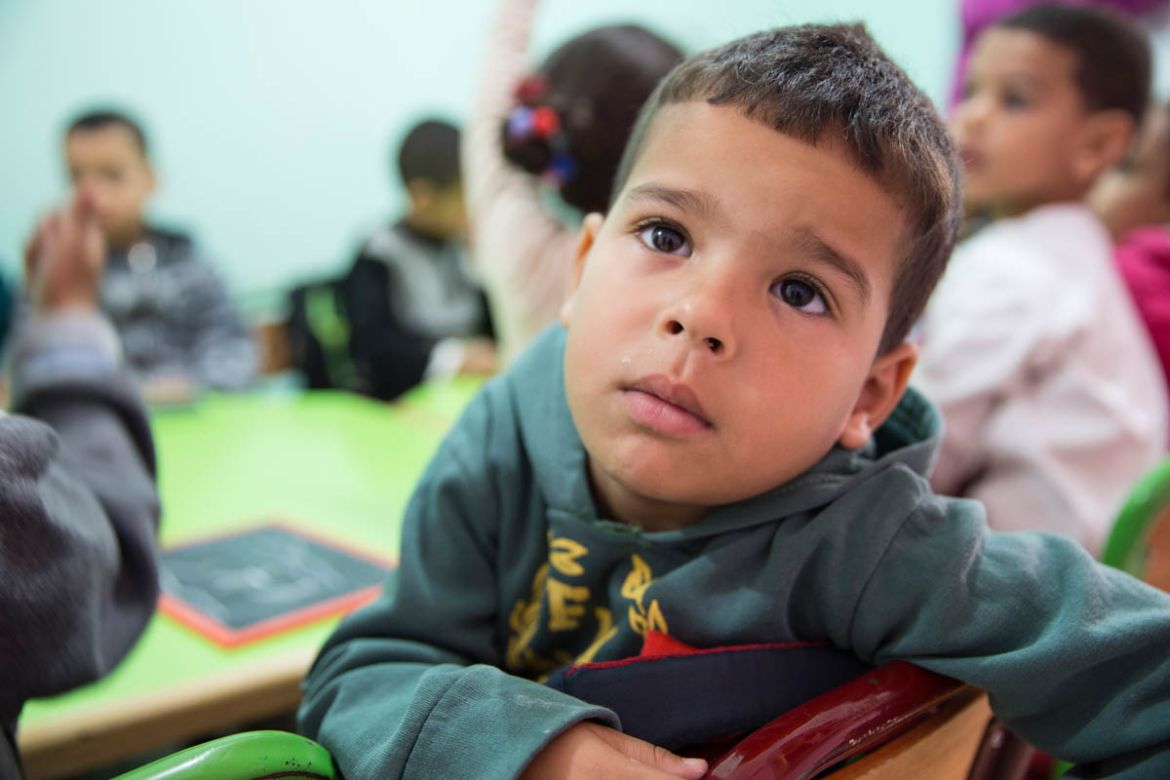
According to Abdullah, the number of enrolled students is still ‘very humble’ given the kindergarten is very new. ‘We have a bit of competition as well and it’s difficult because they have been operat
According to Abdullah, the number of enrolled students is still 'very humble' given the kindergarten is very new. 'We have a bit of competition as well and it's difficult because they have been operating for much longer than us,' said Abdullah. [Faras Ghani/Al Jazeera]
In addition to the 35 daytime students, an equal number attends the evening classes. Three teachers operate the school during the day while the evening classes are run by seven other teachers giving l
In addition to the 35 daytime students, an equal number attends the evening classes. Three teachers operate the school during the day while the evening classes are run by seven other teachers giving lessons in English and French. [Faras Ghani/Al Jazeera]
According to Khadija, a lot of foreigners face discrimination in Morocco because they remain isolated and also due to the way they interact with the Moroccans. “You see how these Yemenis come and impo
According to Khadija, a lot of foreigners face discrimination in Morocco because they remain isolated and also due to the way they interact with the Moroccans. 'You see how these Yemenis come and impose themselves in such a positive way. This is something great and amazing. Of course, the Moroccans will embrace them and welcome them in society,' she said. [Faras Ghani/Al Jazeera]
With an unemployment rate of around nine percent, Abdullah wants Hope to set an example for the Moroccans to go ahead and follow their dreams. ‘If you have an idea, don’t sit at home. Come out and see
With an unemployment rate of about nine percent, Abdullah wants Hope to set an example for Moroccans to go ahead and follow their dreams. 'If you have an idea, don't sit at home. Come out and seek help implementing it. The government helped us. It will help the locals too,' he said. [Faras Ghani/Al Jazeera]


  • About

    • About Us
    • Code of Ethics
    • Terms and Conditions
    • EU/EEA Regulatory Notice
    • Privacy Policy
    • Cookie Policy
    • Cookie Preferences
    • Accessibility Statement
    • Sitemap
    • Work for us
  • Connect

    • Contact Us
    • User Accounts Help
    • Advertise with us
    • Stay Connected
    • Newsletters
    • Channel Finder
    • TV Schedule
    • Podcasts
    • Submit a Tip
    • Paid Partner Content
  • Our Channels

    • Al Jazeera Arabic
    • Al Jazeera English
    • Al Jazeera Investigative Unit
    • Al Jazeera Mubasher
    • Al Jazeera Documentary
    • Al Jazeera Balkans
    • AJ+
  • Our Network

    • Al Jazeera Centre for Studies
    • Al Jazeera Media Institute
    • Learn Arabic
    • Al Jazeera Centre for Public Liberties & Human Rights
    • Al Jazeera Forum
    • Al Jazeera Hotel Partners

Follow Al Jazeera English:

  • facebook
  • twitter
  • youtube
  • instagram-colored-outline
  • rss
Al Jazeera Media Network logo
© 2026 Al Jazeera Media Network