Bahrain’s iron fist
Why has the government cracked down so forcefully on protesters and what role are regional powers playing?
Three days after Hosni Mubarak was ousted from power in Egypt, the people of Bahrain took to the streets to make their grievances heard. They were not demanding an end to the monarchy – but more representation.
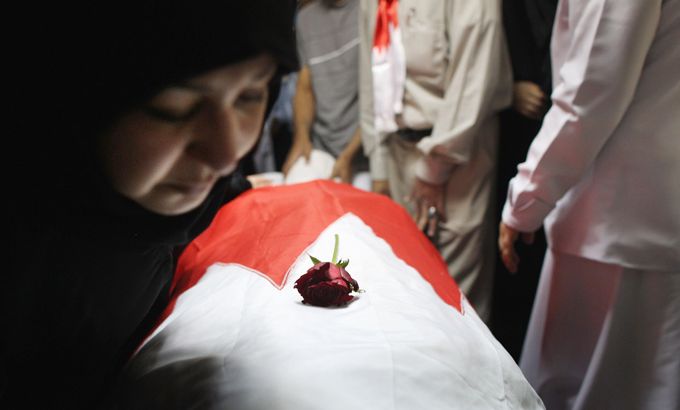
But a violent crackdown against protesters saw a shift in their demands.
The monarchy was quick to portray the popular uprising as sectarian. Troops from Saudi Arabia and the United Arab Emirates entered Bahrain a month later as tensions began to grow.
Now in the latest move, Bahraini authorities have pledged to seek court approval to dissolve two Shia opposition groups with alleged links to the protests.
Why has Bahrain opted for such an iron-fisted approach against pro-democracy protesters? And what role are regional powers playing in this Gulf country?
Inside Story, with presenter Ghida Fakhry, discusses with guests: Saeed al-Shihabi from the Bahrain Freedom Movement; Ali al-Ahamd, the director of the Institute for Gulf Affairs; and Mansoor al-Arayyed, the chairman of the Gulf Council for Foreign Relations.
This episode of Inside Story aired on Friday, April 15, 2011.