Moqtada al-Sadr returns to Iran
It is not immediately clear why the Shia leader left Iraq and how long he will stay in Iran.
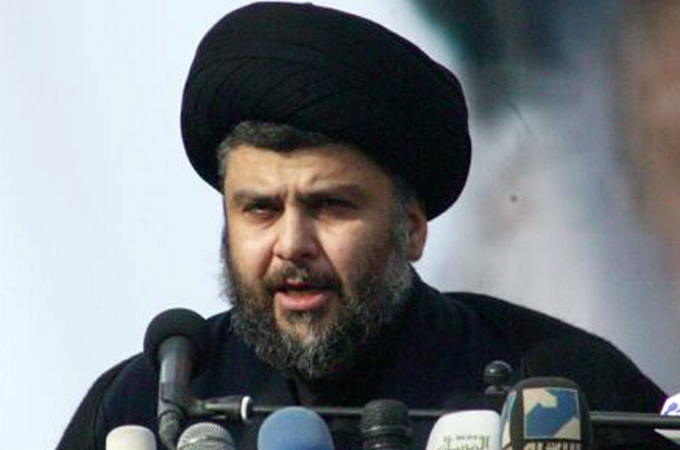 |
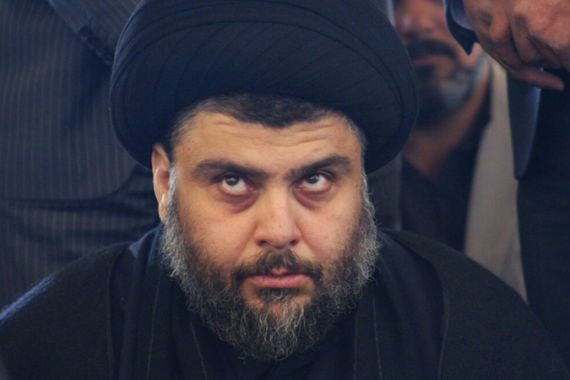
| Moqtada al-Sadr demands the government to honour a promise not to allow US troops to stay in Iraq [EPA] |
Moqtada al-Sadr, an Iraqi Shia leader, has returned to Iran after spending a couple of weeks testing the political waters back home in Iraq after a long, self-imposed exile, aides have said.
“Yes, definitely Sayyed Moqtada al-Sadr went back to Iran,” a source inside his office said, on condition of anonymity.
It was not immediately clear if he had returned to Iran for a short stay or if he intended to stay there for a long time.
One former member of Sadr’s Mehdi Army group said his return to Iran was a “surprise” while a member of his political bloc said he was expected to come back soon.
Sadr’s return to Iraq on January 5 rattled the political establishment, more than three years after he fled the country facing an old arrest warrant brought against him by US administrators.
Sadr’s movement has become a powerful political force in Iraq after winning 39 parliamentary seats in last year’s election and playing a pivotal role in securing prime minister Nouri al-Maliki’s reappointment last month.
Sadr, demanded in his first public speech after his return that the government honour a promise not to allow US troops to stay.
The number of US troops in Iraq fell below 50,000 last August when the US military switched its role to advising and assisting its Iraqi counterparts, rather than leading the fight against a weakened but still lethal insurgency.