Afghan women’s rights ‘under threat’
Gains made in women’s emancipation in the past 10 years are at risk, two leading aid agencies say.
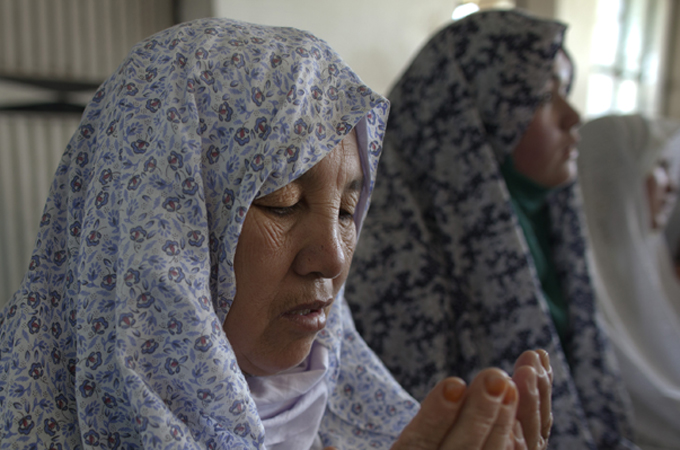 |
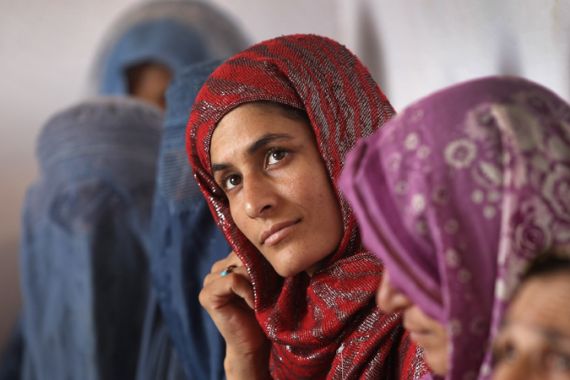
| The Oxfam report found that there “already has been a downward slide in the advances” [GALLO/GETTY] |
Women’s rights in Afghanistan are once again under threat after 10 years of progress, two leading British aid agencies have said.
Oxfam and Action Aid said on Monday many Afghan women were worried that the impending international troop withdrawal, coupled with an on-going effort to secure a political deal with the Taliban, could undermine their future.
|
“What is life going to be like for us in the next 10 years? Already life is getting tougher for Afghan women“ – Orzala Ashraf Nemat, co-author of Oxfam’s report |
Louise Hancock, the co-author of the Oxfam report, told Al Jazeera that women’s rights in Afghanistan had made some gains in the 10 years since the Taliban was deposed. But, she said, it was now “time to take stock of what has happened and what still needs to be done”.
At 2.7 million, half of the nation’s school-aged girls have gained access to education. For Oxfam, this increased access to education is seen as marked improvement over the five-year period under the Taliban when education of girls was outlawed entirely.
Politically, nearly 28 per cent of seats in the nation’s parliament have gone to women. Though it may be the result of a quota, that figure puts Afghanistan near the top in terms of world-wide female parliamentary representation.
‘Sacrificing’ women’s rights
However, the Oxfam report sees increasing violence in the nation as a sign of trouble ahead for women’s rights. Hancock, who says “women are particularly vulnerable to insecurity”, sees increased violence as particularly troubling to the nation’s more than 15 million women.
“What is life going to be like for us in the next 10 years? Already life is getting tougher for Afghan women,” said Oxfam report co-author Orzala Ashraf Nemat.
From a legal standpoint, the group sees a dangerous precedent in the implementation of a law against honour killings and child marriage.
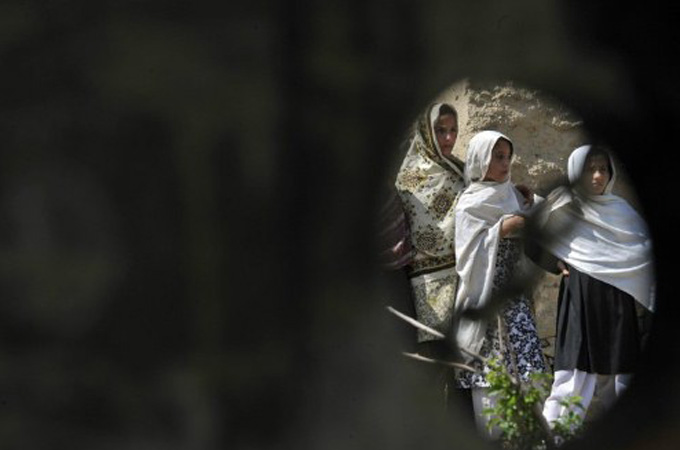 |
| Action Aid said many women were still denied basic rights [AFP] |
Though the report finds that 87 per cent of women have suffered “physical, sexual or psychological violence or forced marriage”, the law will only be implemented in 10 of the nation’s 34 provinces. This outcome is indicative of a sharp contrast in the experience of women in larger cities and rural areas highlighted in the report.
The report also points to “willingness to sacrifice women’s rights for political ends” among the administration of Hamid Karzai, the Afghan president, as a sign of potential trouble.
In 2009, Karzai faced international scrutiny for signing the Shi’a Family Law, which included a controversial provision that human rights groups said amounted to legalised rape.
Facing pressure domestically and abroad, Karzai would later revise the law saying he was not aware of the provision in question.
As girls’ schools continue to face attack, and the movement of women is still heavily restricted in Taliban-controlled areas, rights workers fear the Karzai government may be too willing to concede women’s rights in negotiations with the insurgent group.
“Afghan women want peace, not a stitch-up deal that will confine us to our homes again,” says Nemat.