Skip linksSkip to Content
play
Live
Navigation menu
  • News
    • Africa
    • Asia
    • US & Canada
    • Latin America
    • Europe
    • Asia Pacific
  • Middle East
  • Explained
  • Opinion
  • Sport
  • Video
    • Features
    • Economy
    • Human Rights
    • Climate Crisis
    • Investigations
    • Interactives
    • In Pictures
    • Science & Technology
    • Podcasts
    • Travel
play
Live

In Pictures

Gallery|Arts and Culture

Mystery of the desert: Lost cities of the Nigerien Sahara

The Kanuri people established themselves in the area between the 13th and 15th centuries.
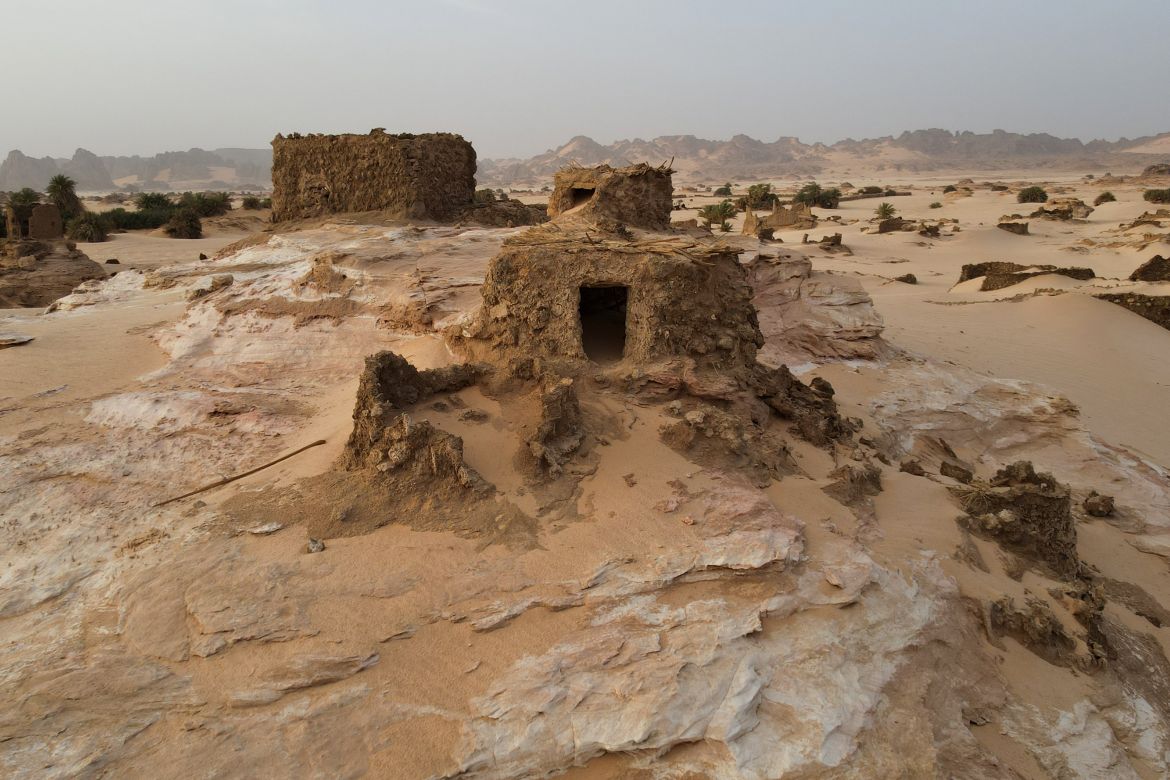
A general view of a house sandblasted by the desert in the old town of Djaba
An ancient home in Niger's Sahel region where mysteries over who developed the region abound. [Souleymane Ag Anara/AFP]

By AFP

Published On 4 Jun 20234 Jun 2023

Share

facebooktwitterwhatsappcopylink

Save

A long trek across the desert of northeastern Niger brings the visitor to fortified villages of salt and clay perched on rocks with the Saharan sands laying siege below, one of the most astonishing and rewarding sights in the Sahel.

Generations of travellers have stood before the “ksars” of Djado, wondering at their crenelated walls, watchtowers, secretive passages and wells, all testifying to a skilled but unknown hand.

Who chose to build this outpost in a scorched and desolate region – and why they built it – are questions that have never been fully answered. And just as beguiling is why it was abandoned.

No archaeological dig or scientific dating has ever been undertaken to explain the mysteries. Djado lies in the Kawar oasis region, 1,300km (800 miles) from the capital Niamey, near Niger’s deeply troubled border with Libya.

Once a crossroads for caravans trading across the Sahara, Kawar today is a nexus for drug and arms trafficking. Its grim reputation deters all but the most determined traveller.

“There have been no foreign tourists since 2002,” said Sidi Aba Laouel, mayor of Chirfa, the commune where the Djado sites are located. “When tourism was good, there was economic potential for the community.”

A blessing of sorts occurred in 2014 when gold was discovered. It saw an influx of miners from across West Africa bringing life and some economic respite – but also bandits who hole up in the mountains.

Few of the newcomers seem interested in visiting the ksars. The mayor is careful when speaking about local history, acknowledging the many gaps in knowledge.

Advertisement

He refers to old photocopies in his cupboard of a work by Albert le Rouvreur, a colonial-era French military officer stationed in Chirfa, who tried without success to shed light on the origins of the site.

The Sao, present in the region since antiquity, were the first known inhabitants in Kawar, and perhaps established the first fortifications.

But the timeline of their settlement is hazy. Some of the ksars still standing have palm roofs, suggesting they were built later.

Between the 13th and the 15th centuries, the Kanuri people established themselves in the area. Their oasis civilisation was almost destroyed in the 18th and 19th centuries by successive waves of nomadic raiders – the Tuaregs, Arabs and finally the Toubou.

The arrival of the first Europeans in the early 20th century spelled the beginning of the end of the ksars as a defence against invaders. The French military took the area in 1923.

Today, the Kanuri and Toubou have widely intermingled, but the region’s traditional leaders, called the Mai, descend from the Kanuri lineage.

They act as authorities of tradition, as well as being custodians of oral history. But even for these custodians, much remains a mystery.

“Even our grandfathers didn’t know. We didn’t keep records,” said Kiari Kelaoui Abari Chegou, a Kanuri leader.
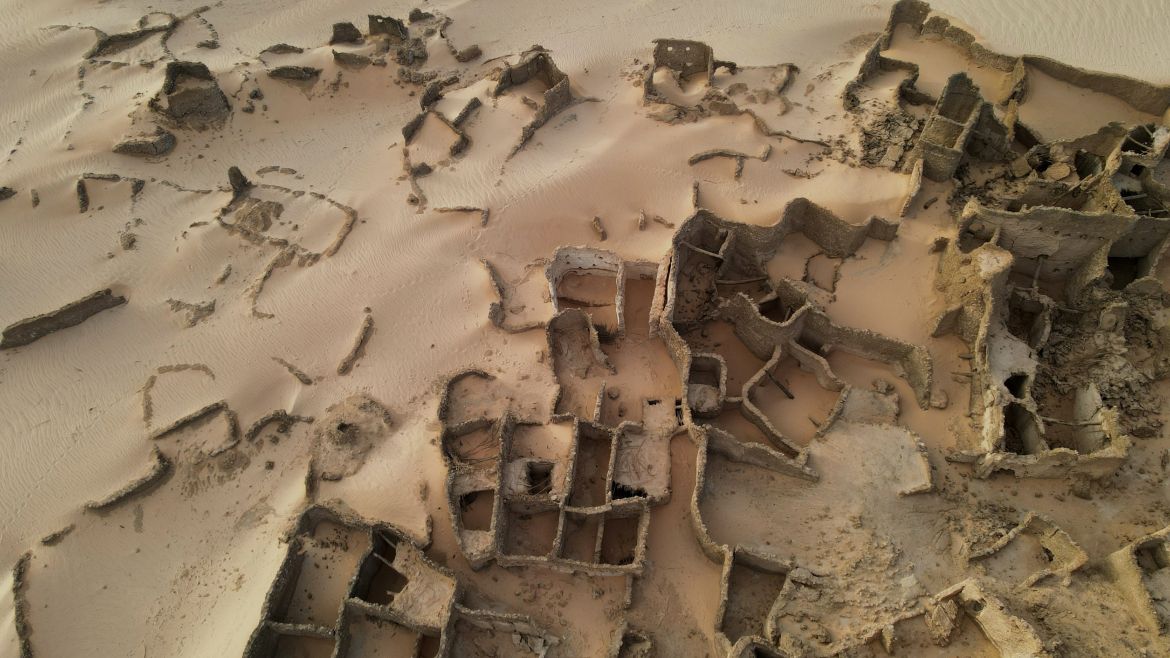
An aerial view of the village around the fortress of Djaba
An aerial view of the village around the fortress of Djaba. [Souleymane Ag Anara/AFP]
Advertisement
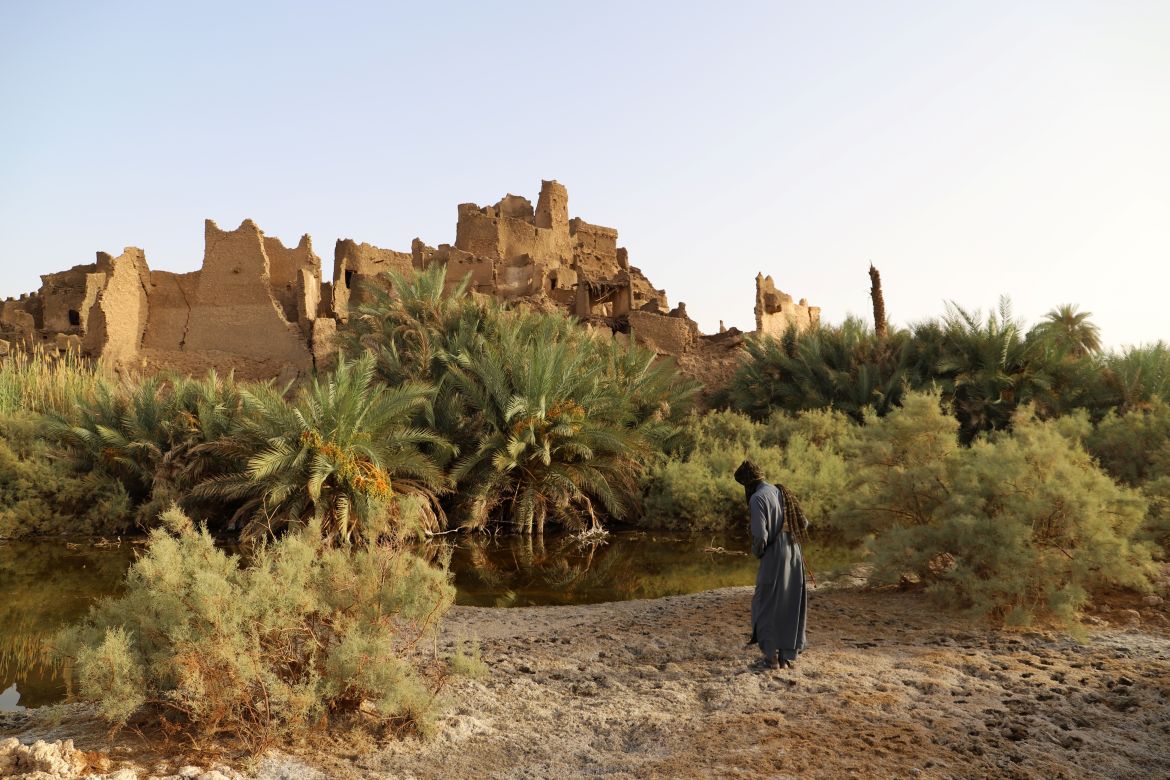
A general view of the Djado fortress
The Djado fortress located more than 1,300km (800 miles) from Niamey, in the northeast of Niger. [Souleymane Ag Anara/AFP]
Sidi Abba, the deputy mayor of Djado
Sidi Abba, deputy mayor of Djado, stands at the top of the fortress. [Souleymane Ag Anara/AFP]
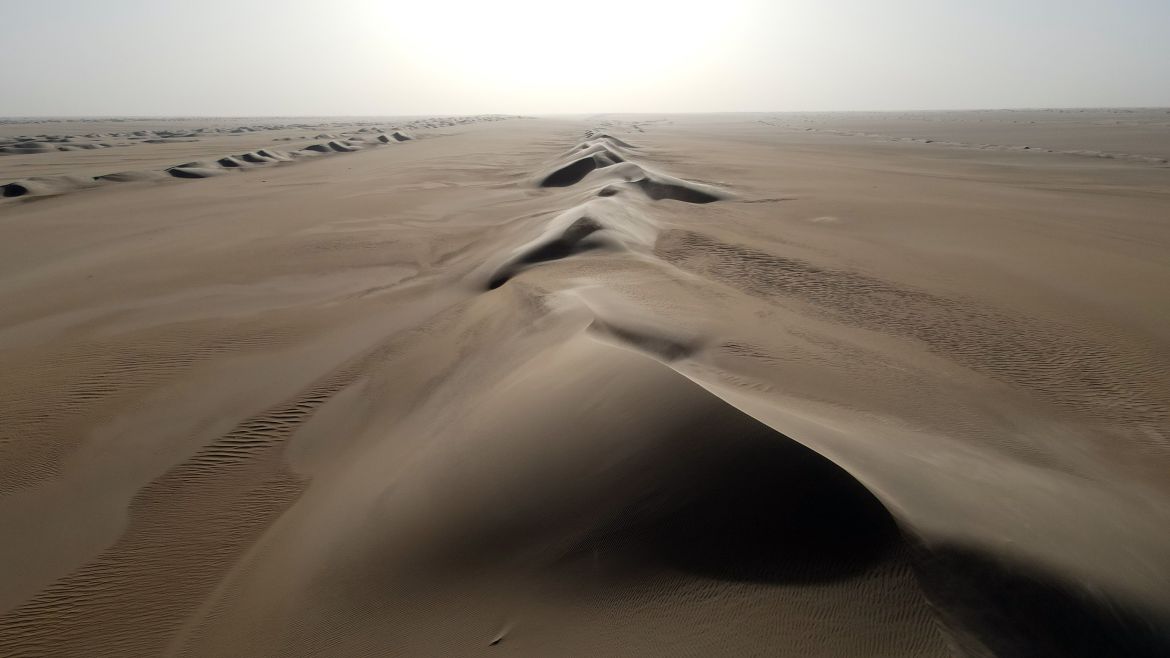
An aerial view of the dunes that encircle the town of Fachi
The dunes that encircle the town of Fachi. [Souleymane Ag Anara/AFP]
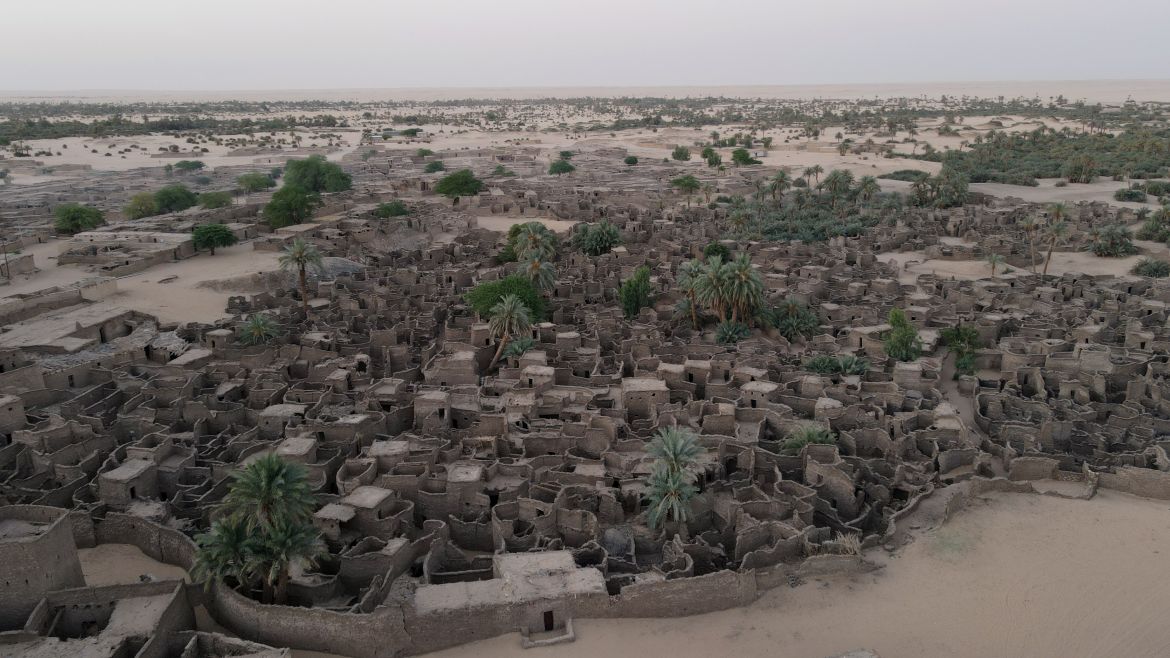
An aerial view of the old town of Fachi
An aerial view of the old town of Fachi. [Souleymane Ag Anara/AFP]
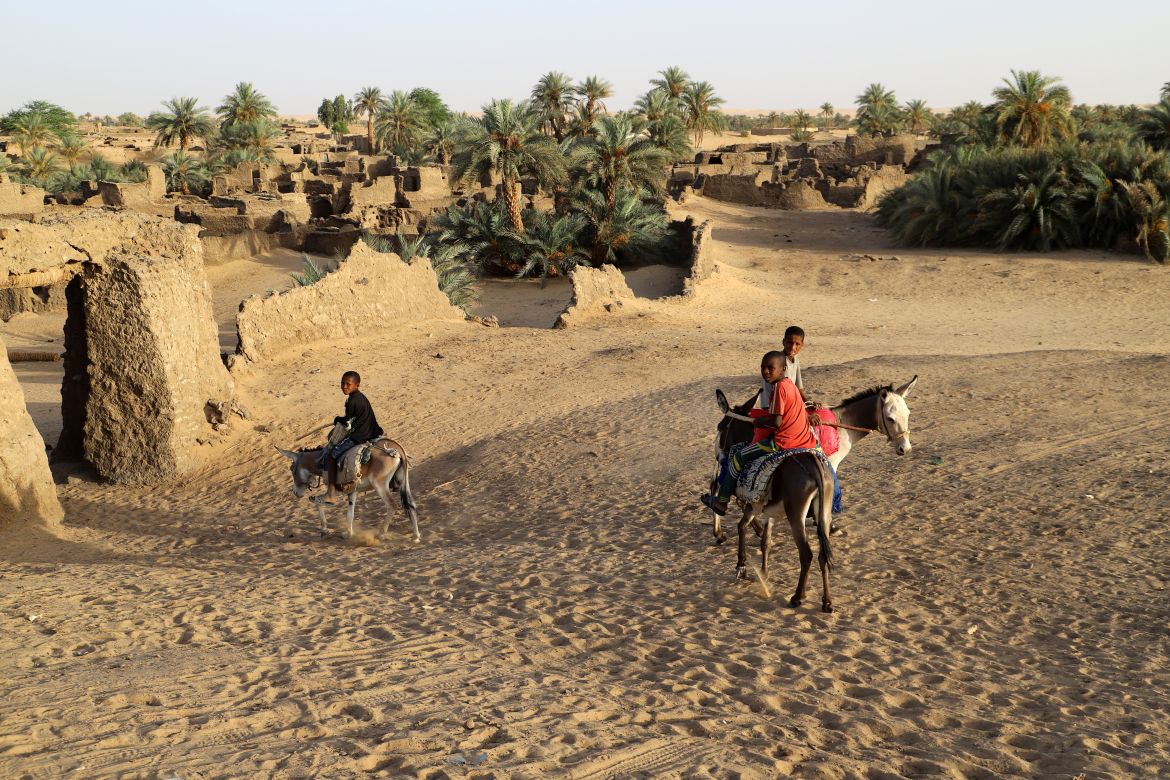
Children use donkeys for transport in the old town of Fachi
The oasis of Fachi is famous for its fortress and its old town, with almost intact walls. [Souleymane Ag Anara/AFP]
Advertisement
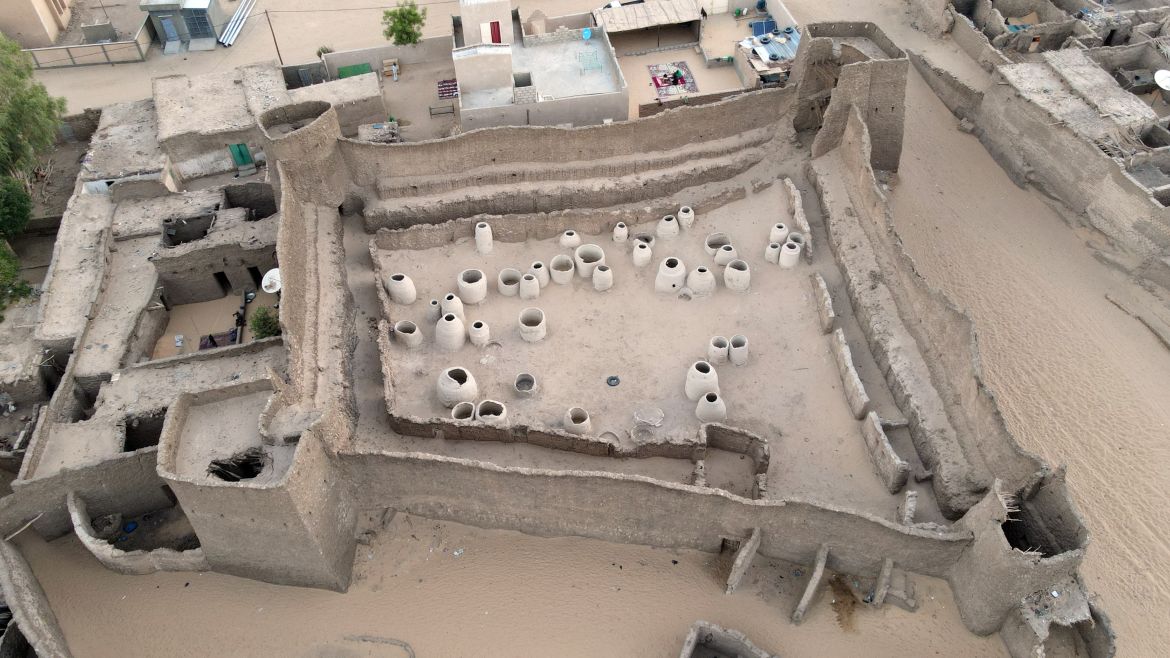
A drone view of the old fortress of Fachi
Some symbolic sites of the ancient city of Fachi are still used for traditional ceremonies. [Souleymane Ag Anara/AFP]
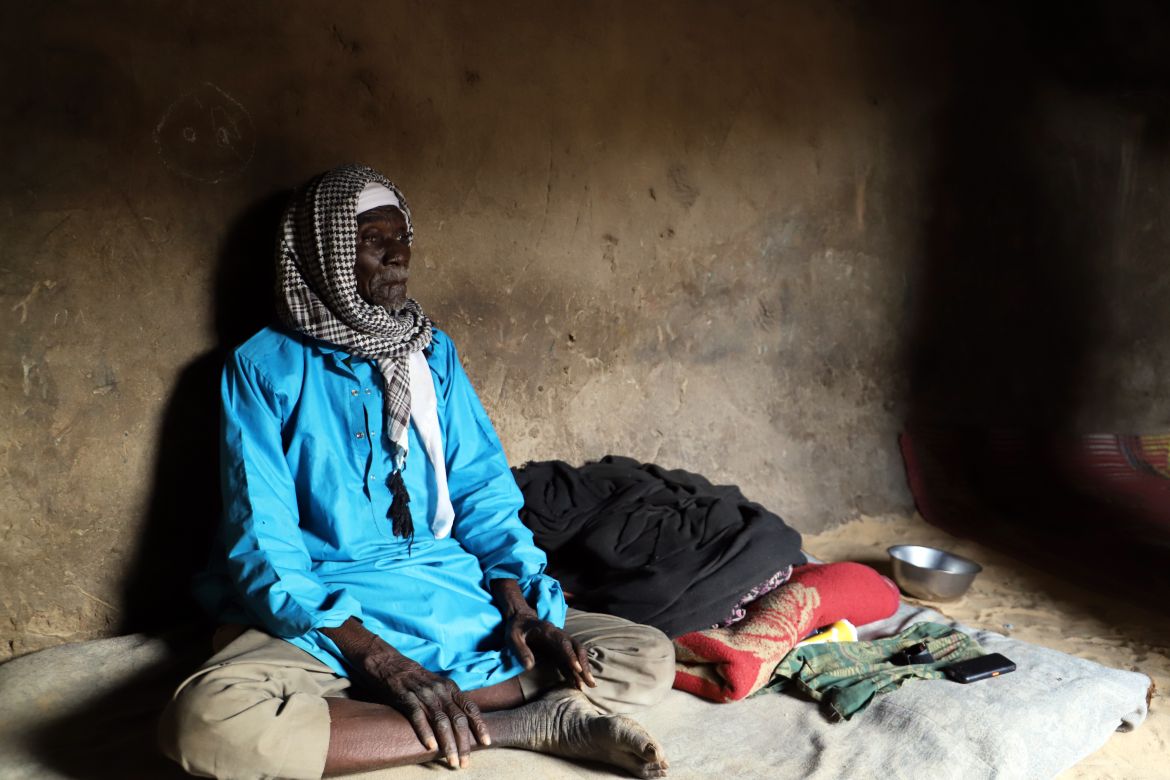
A man sits in a house he inherited from his ancestors in Fachi
A man sits in a house he inherited from his ancestors in Fachi. [Souleymane Ag Anara/AFP]
A general view of the Djado fortress
A general view of the Djado fortress. Since 2006, Djado has languished on a tentative list of World Heritage Sites maintained by the United Nations Educational, Scientific and Cultural Organization (UNESCO). [Souleymane Ag Anara/AFP]


  • About

    • About Us
    • Code of Ethics
    • Terms and Conditions
    • EU/EEA Regulatory Notice
    • Privacy Policy
    • Cookie Policy
    • Cookie Preferences
    • Accessibility Statement
    • Sitemap
    • Work for us
  • Connect

    • Contact Us
    • User Accounts Help
    • Advertise with us
    • Stay Connected
    • Newsletters
    • Channel Finder
    • TV Schedule
    • Podcasts
    • Submit a Tip
  • Our Channels

    • Al Jazeera Arabic
    • Al Jazeera English
    • Al Jazeera Investigative Unit
    • Al Jazeera Mubasher
    • Al Jazeera Documentary
    • Al Jazeera Balkans
    • AJ+
  • Our Network

    • Al Jazeera Centre for Studies
    • Al Jazeera Media Institute
    • Learn Arabic
    • Al Jazeera Centre for Public Liberties & Human Rights
    • Al Jazeera Forum
    • Al Jazeera Hotel Partners

Follow Al Jazeera English:

  • facebook
  • twitter
  • youtube
  • instagram-colored-outline
  • rss
Al Jazeera Media Network logo
© 2025 Al Jazeera Media Network