Skip linksSkip to Content
play
Live
Navigation menu
  • News
    • Africa
    • Asia
    • US & Canada
    • Latin America
    • Europe
    • Asia Pacific
  • Middle East
  • Explained
  • Opinion
  • Sport
  • Video
    • Features
    • Economy
    • Human Rights
    • Climate Crisis
    • Investigations
    • Interactives
    • In Pictures
    • Science & Technology
    • Podcasts
    • Travel
play
Live
Navigation menu
  • Syria's War
  • What we know about the violence in Syria
  • How Israel is building bases in buffer zone
  • Syria's mass graves
  • The Nazi who trained Syrian security
  • Why was the Baath party dissolved?

In Pictures

Gallery|Syria's War

Hundreds of Syrian refugees leave Lebanon amid concerns

A first batch of Syrian refugees left Lebanon under a new repatriation plan slammed by rights groups.

Syrian refugees
Syrian refugees wait to leave the Lebanese border town of Arsal to head back to Syria. [Wael Hamzeh/EPA]

By News Agencies

Published On 27 Oct 202227 Oct 2022

Share

facebooktwitterwhatsappcopylink

Save

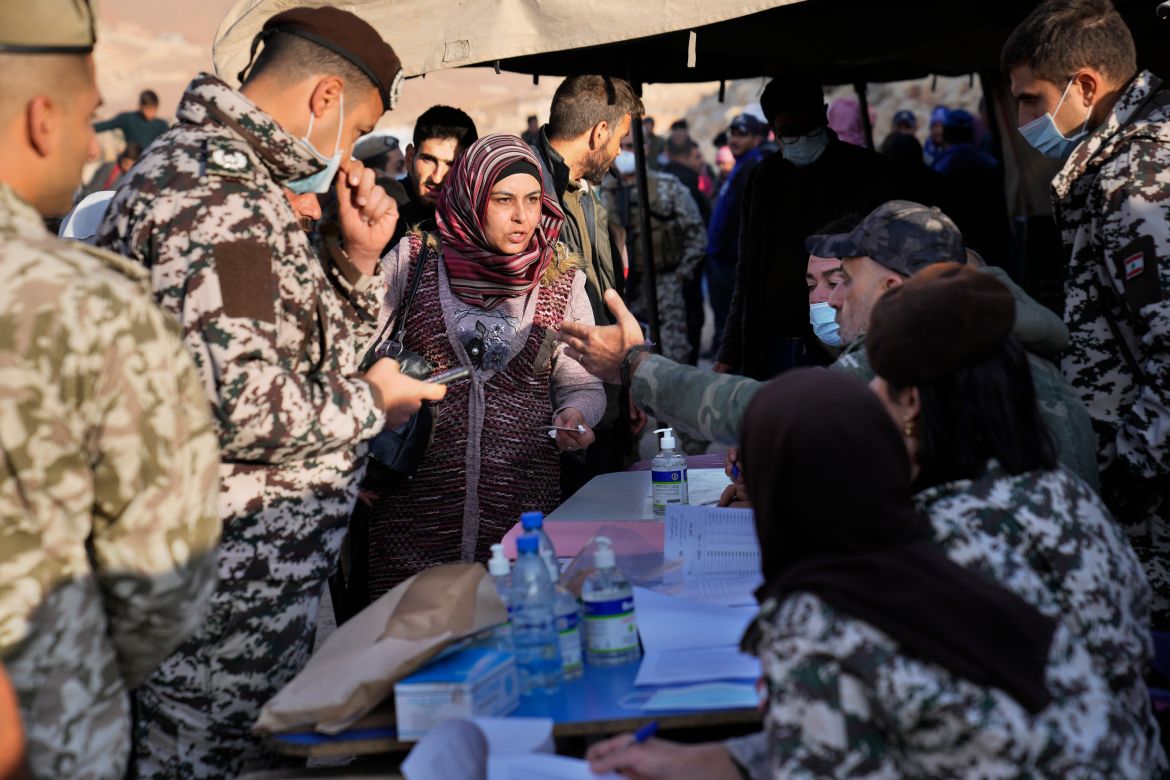
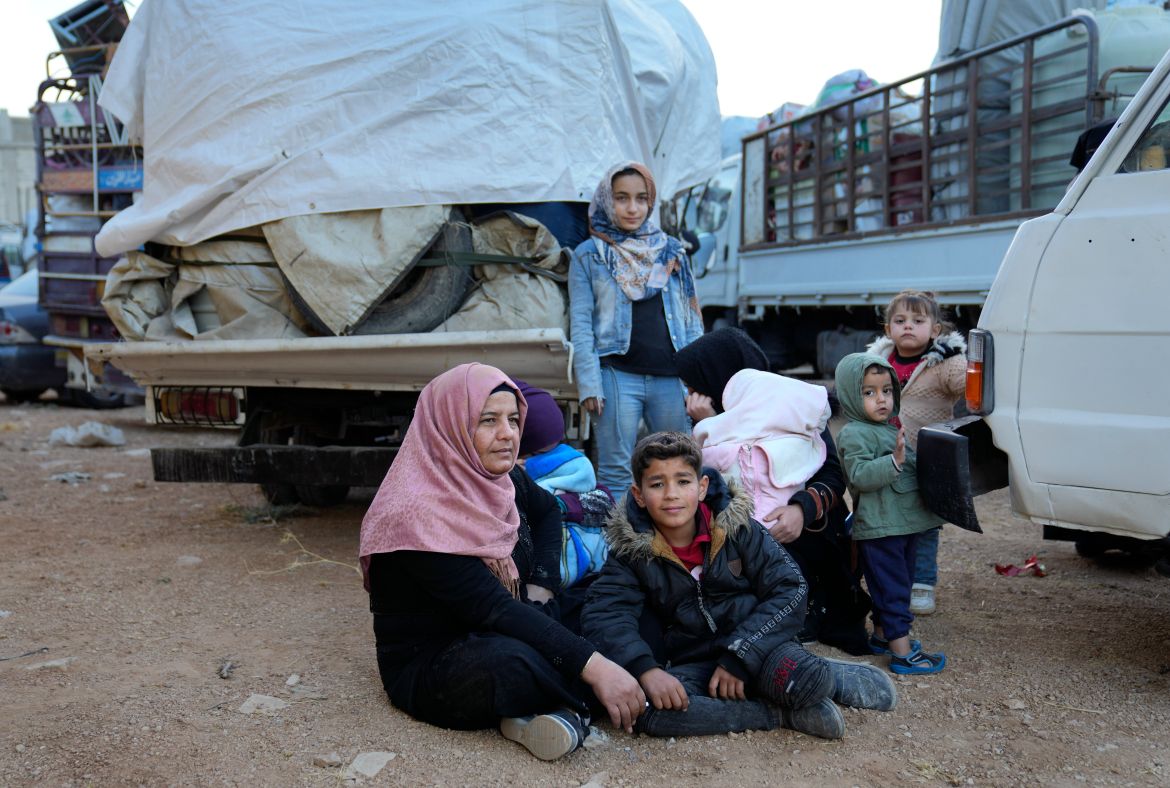
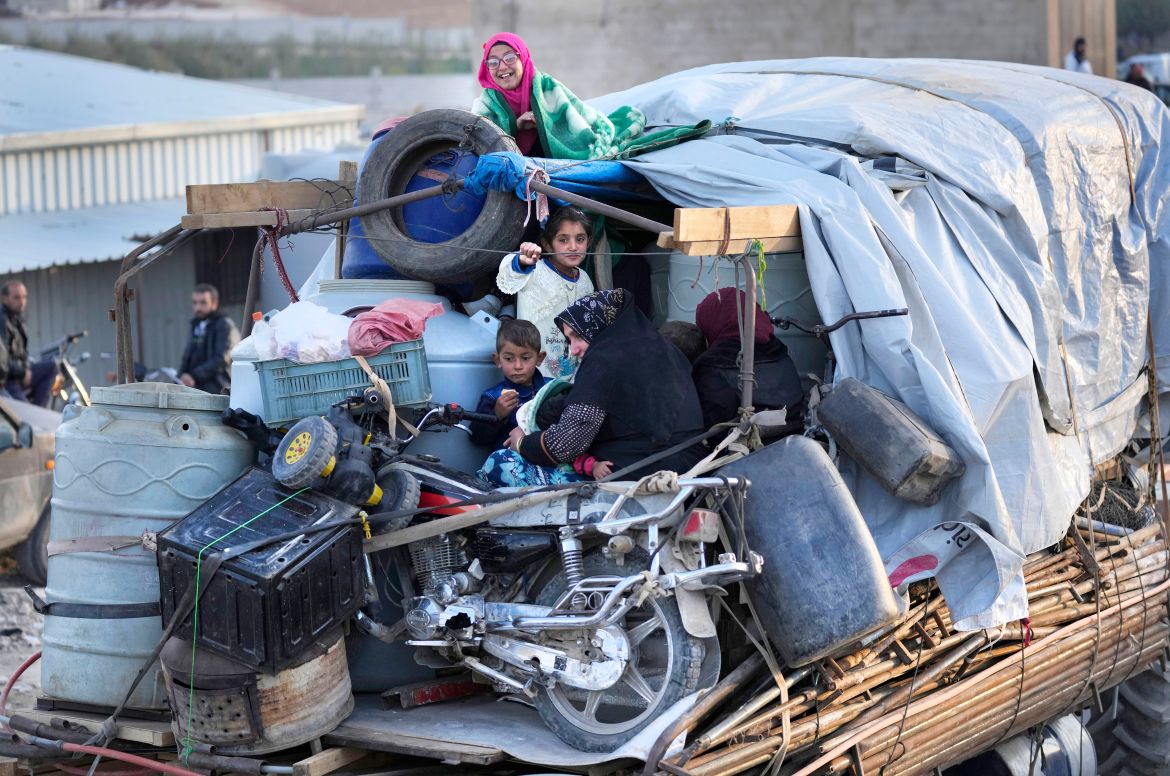
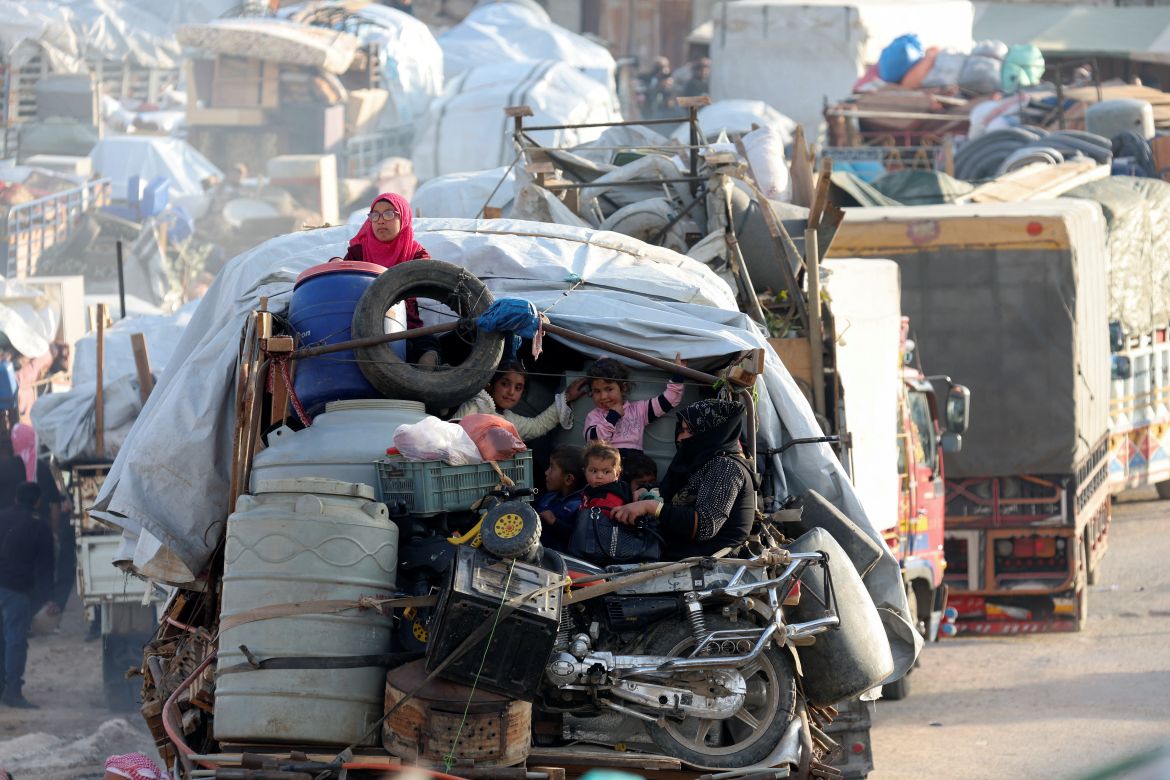
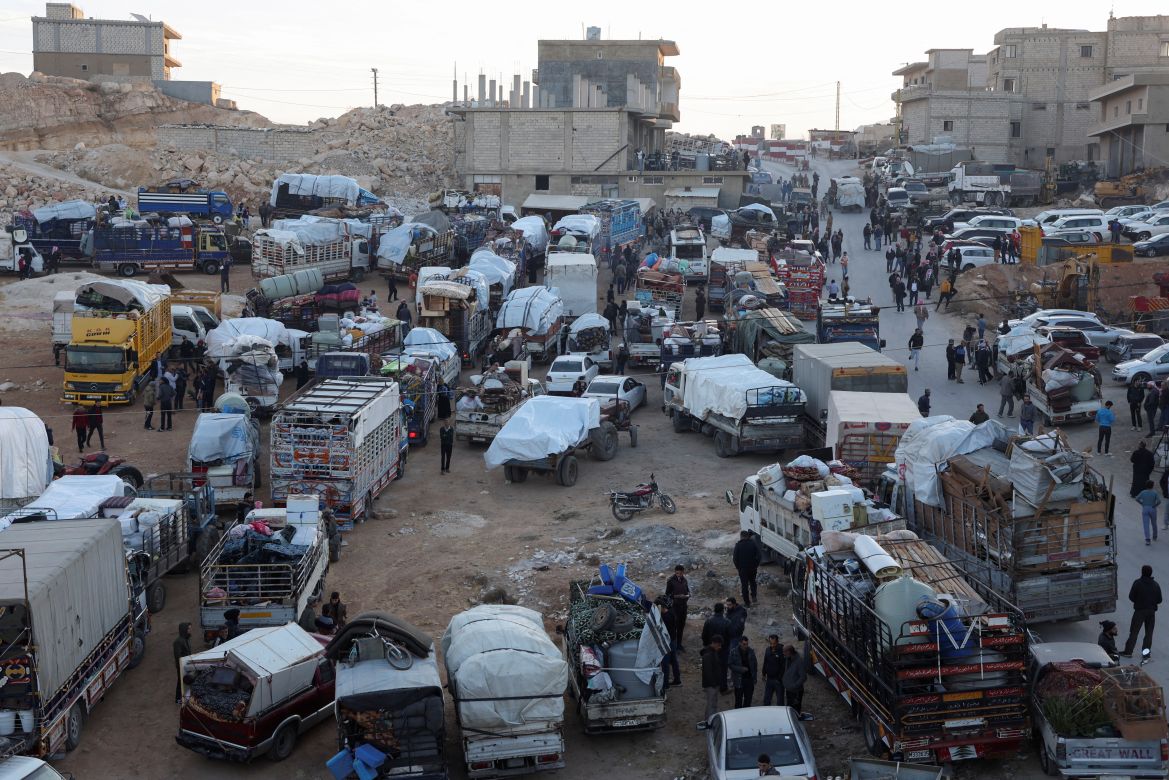
Lugging suitcases, power generators, fridges and chickens, more than 700 Syrian refugees who were living in Lebanon gathered from early morning in a desolate northeastern border zone.

The refugees were returning to Syria on Wednesday under a voluntary programme coordinated by Lebanon’s General Security, the agency responsible for safeguarding the country’s borders.

The programme has raised concerns from rights groups that the scheme may involve elements of coercion, but Lebanese authorities have said the repatriations are voluntary.

But while front lines in Syria’s 11-year war are mostly calm, the United Nations says flare-ups in violence and the risk of detention make it unsafe for large-scale returns.

Lebanon is home to more than 800,000 Syrian refugees registered with UNHCR (the UN refugee agency). They fled the violence in the aftermath of protests against Syrian President Bashar Al-Assad in 2011. At its peak, Lebanon hosted approximately 1.2 million registered refugees.

In 2018, the General Security agency launched a mechanism through which any Syrian refugee could signal a desire to return home and liaise with Syrian authorities to ensure that individual was not wanted there.

That saw approximately 400,000 Syrians return home but was put on hold with the outbreak of COVID-19. Outgoing Lebanese President Michel Aoun revived it this month, and it resumed on Wednesday.
Syrian refugees
Syrian refugees sit with their belongings on a pick-up truck as they prepare to return to Syria from Wadi Hmayyed, on the outskirts of the Lebanese border town of Arsal. [/Mohamed Azakir/Reuters]
Advertisement
Syrian refugees
Hundreds of Syrian refugees have boarded a convoy of trucks in the Lebanese mountain town of Arsal to return to their war-torn country. [Mohamed Azakir/Reuters]
Syrian refugees
This repatriation is the latest attempt by the government in Beirut to organise a mass refugee return. [Hussein Malla/AP Photo]
Syrian refugees
Lebanese officials said more than 2,400 refugees had registered for Wednesday’s return but only 1,700 were given the green light by Syrian authorities to come back. [Hussein Malla/AP Photo]
Syrian refugees
Lebanon has given shelter to more than 1 million Syrian refugees but many claim the number is far higher. [Hussein Malla/AP Photo]
Syrian refugees
UNHCR said it was “not facilitating or promoting the large-scale voluntary repatriation of refugees to Syria”. [Wael Hamzeh/EPA]
Advertisement
Syrian refugees
UNHCR said its role in the returns is limited to “reaching out and counselling refugees, when possible, and being present at the departure points” before they leave. [Hussein Malla/AP Photos]
Syrian refugees
Syrian refugees sit in the back of a truck next to their belongings. Both international organisations and the refugees have remained wary about the conditions for return. [Hussein Malla/AP Photo]
Syrian refugees
Reports by human rights organisations have cited cases of returning refugees being disappeared, detained and tortured - allegations that Abbas Ibrahim, head of the General Directorate of General Security in Lebanon, insists are unfounded. [Wael Hamzeh/EPA]


  • About

    • About Us
    • Code of Ethics
    • Terms and Conditions
    • EU/EEA Regulatory Notice
    • Privacy Policy
    • Cookie Policy
    • Cookie Preferences
    • Accessibility Statement
    • Sitemap
    • Work for us
  • Connect

    • Contact Us
    • User Accounts Help
    • Advertise with us
    • Stay Connected
    • Newsletters
    • Channel Finder
    • TV Schedule
    • Podcasts
    • Submit a Tip
  • Our Channels

    • Al Jazeera Arabic
    • Al Jazeera English
    • Al Jazeera Investigative Unit
    • Al Jazeera Mubasher
    • Al Jazeera Documentary
    • Al Jazeera Balkans
    • AJ+
  • Our Network

    • Al Jazeera Centre for Studies
    • Al Jazeera Media Institute
    • Learn Arabic
    • Al Jazeera Centre for Public Liberties & Human Rights
    • Al Jazeera Forum
    • Al Jazeera Hotel Partners

Follow Al Jazeera English:

  • facebook
  • twitter
  • youtube
  • instagram-colored-outline
  • rss
Al Jazeera Media Network logo
© 2025 Al Jazeera Media Network