Skip linksSkip to Content
play
Live
Navigation menu
  • News
    • Africa
    • Asia
    • US & Canada
    • Latin America
    • Europe
    • Asia Pacific
  • Middle East
  • Explained
  • Opinion
  • Sport
  • Video
    • Features
    • Economy
    • Human Rights
    • Climate Crisis
    • Investigations
    • Interactives
    • In Pictures
    • Science & Technology
    • Podcasts
    • Travel
play
Live

In Pictures

Gallery

The female de-miners of Nagorno-Karabakh
The female de-miners of Nagorno Karabakh
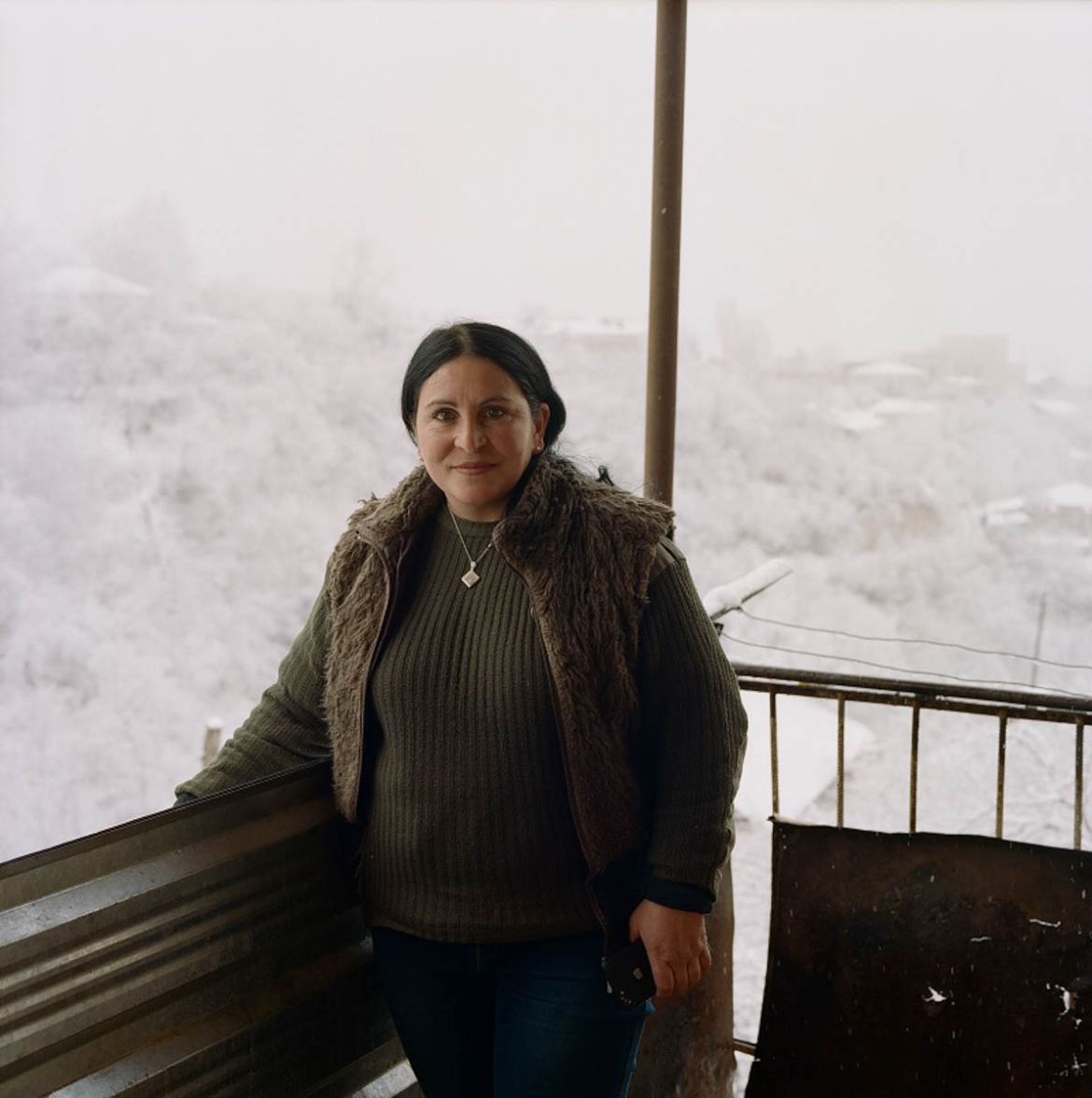
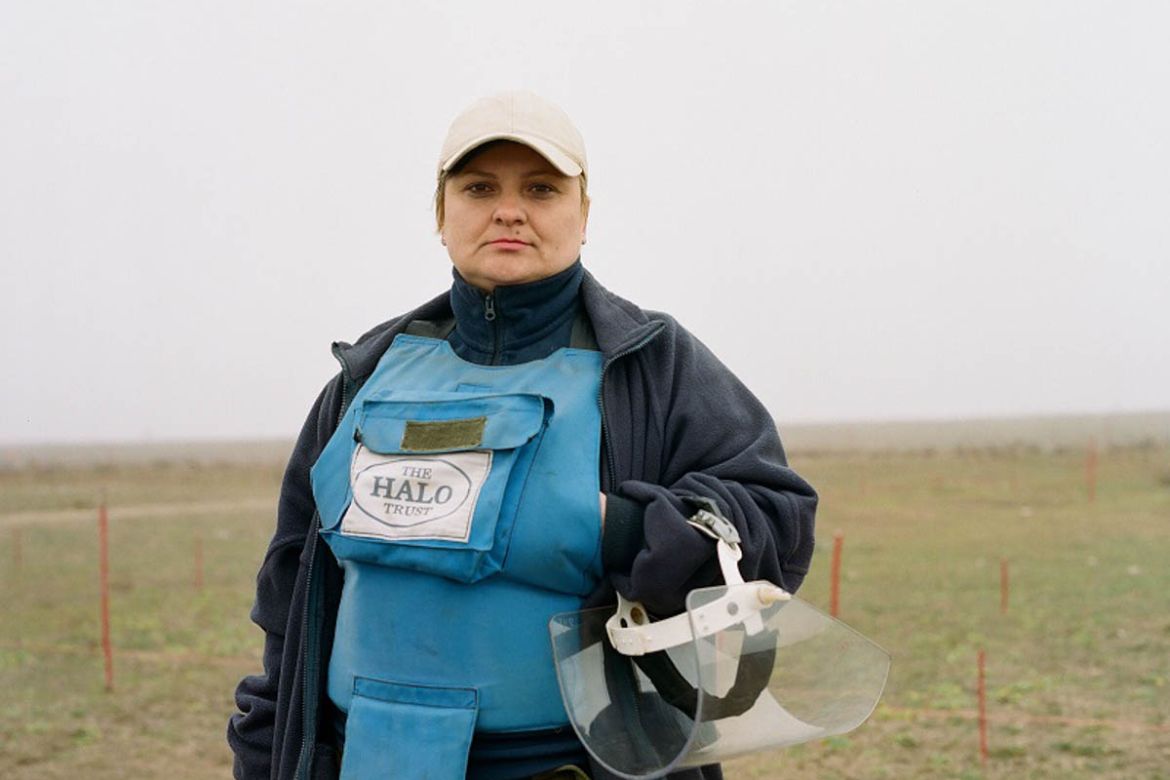
Svetlana, one of HALO's female de-miners at Marzili. [Eva Clifford/Al Jazeera]

By Eva Clifford

Published On 7 Mar 20187 Mar 2018

Share

facebooktwitterwhatsappcopylink

Save

Perched on the ridges of a valley in Berdzor (Lachin), we sit in the sparse living area of a three-storey base camp.

Here, Narine Asatryan tells me that finding a landmine is a feeling like no other. She is one of The HALO Trust’s de-miners, and has found two anti-personnel mines so far.

For her, working as a de-miner offers a chance to make a positive effect in her community. 

Amid heavy snow, the electricity is out across the entire region, and heat is provided by a gas stove in the centre of the room. Beneath the house, a steep hillside descends into the wintry valley below.

One of the toughest parts of the job is working in such extreme weather, says Inga Avanesyan, another HALO de-miner.

Today, the team has had to stand down because the snow prevents them from working. But the snow is nothing compared with the other challenges they face. 

The inhabitants of Nagorno-Karabakh have suffered from the dangerous legacy of war for over two decades.

The Nagorno-Karabakh War (1988-1994) took place between the former Soviet republics of Armenia and Azerbaijan, over the landlocked mountainous region.

Today, landmines and unexploded ordnance continue to contaminate the land, putting lives at risk and crippling the region’s economy. 

Dedicated to clearing landmines across the world, The HALO Trust has been operating in Nagorno- Karabakh since 2000.

In 2015, HALO employed its first, female de-mining team; there are now 11 women, with more undergoing training this year.

Defying traditional gender roles, they are able to provide for their families as well as making a tangible difference in their communities.
Advertisement
The female de-miners of Nagorno Karabakh
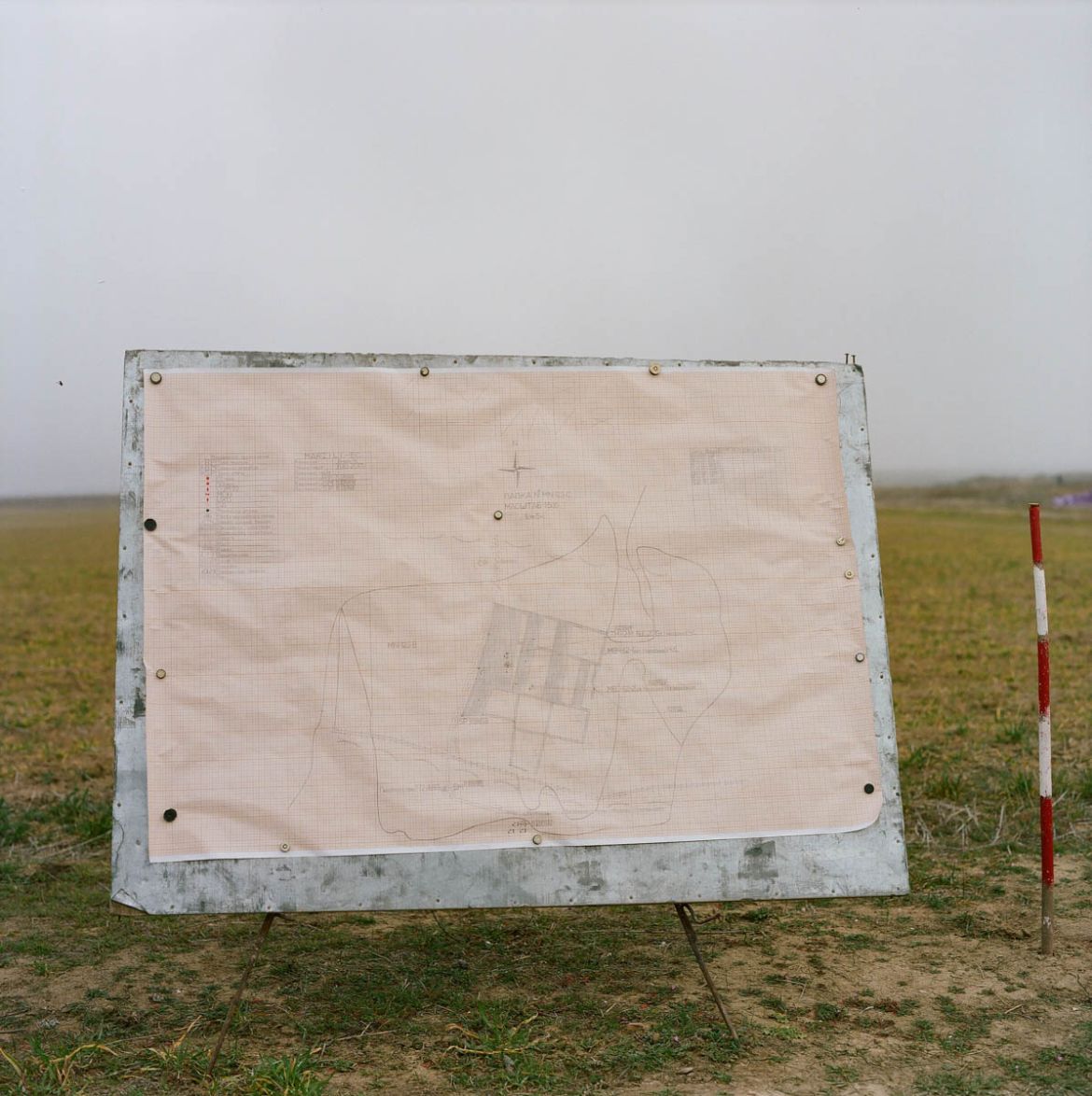
A map showing Marzili minefield during a safety briefing. [Eva Clifford/Al Jazeera]
Advertisement
The female de-miners of Nagorno Karabakh
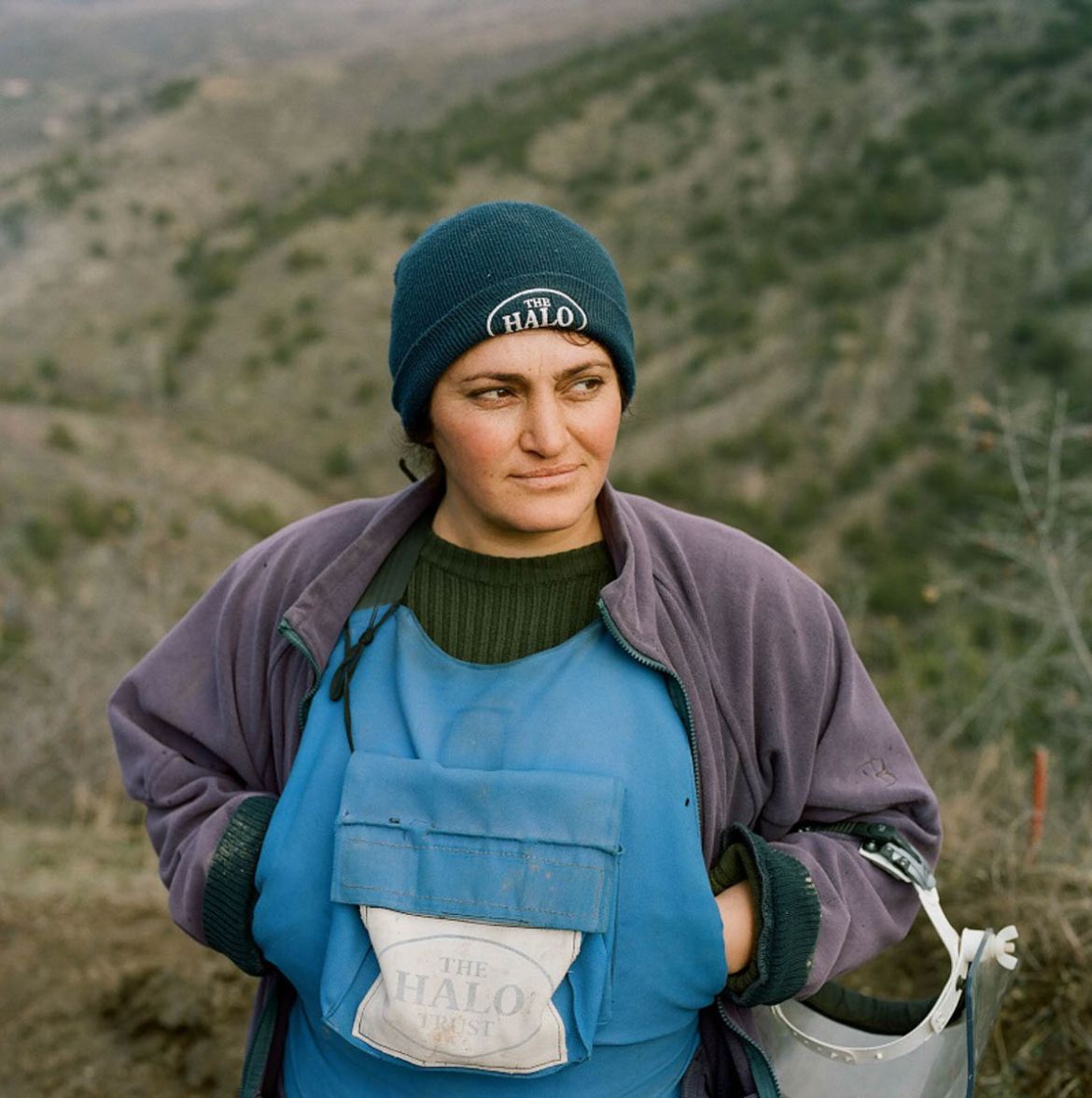
Alvina, one of HALO's female de-miners at Marzili. [Eva Clifford/Al Jazeera]
The female de-miners of Nagorno Karabakh
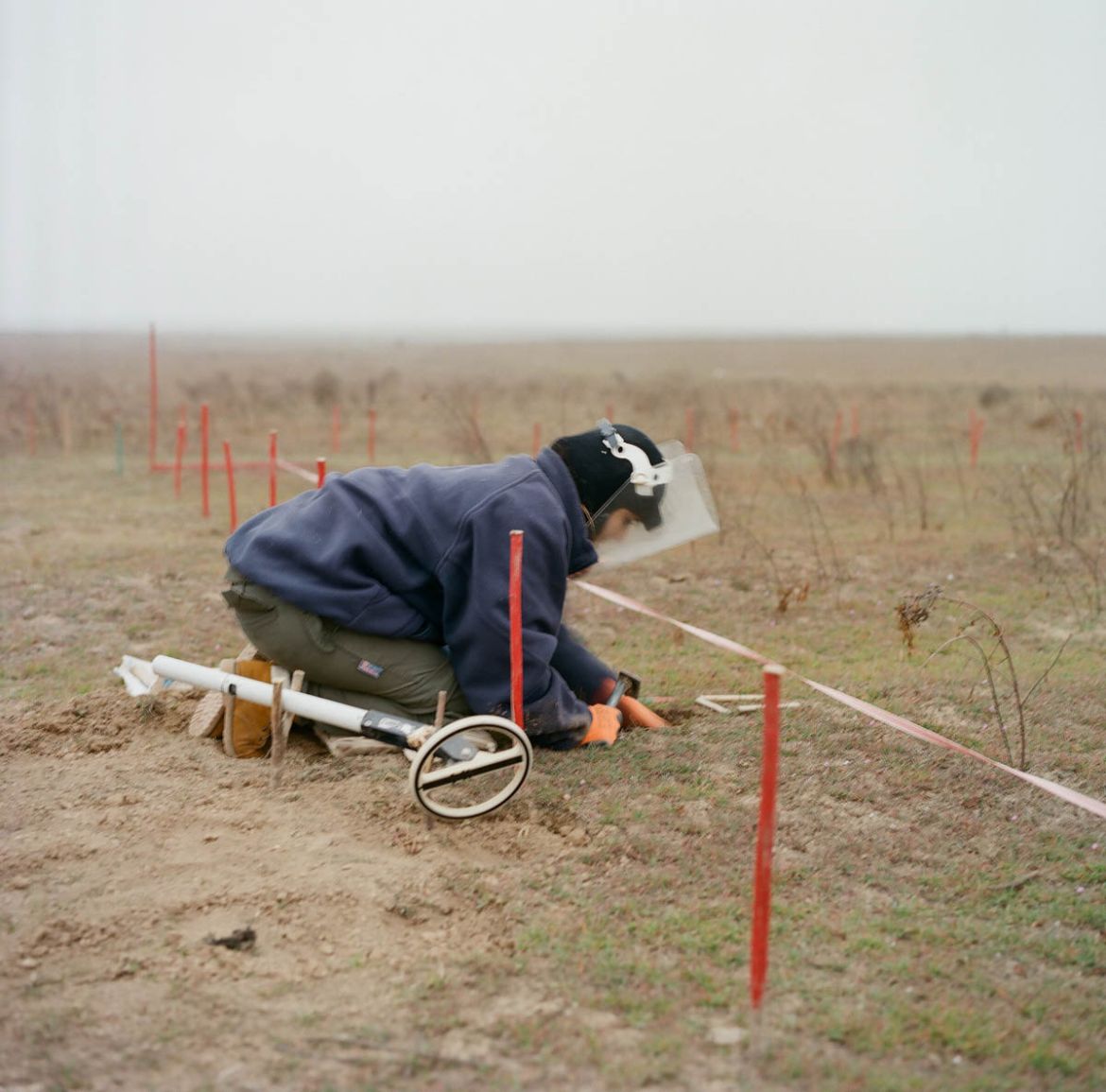
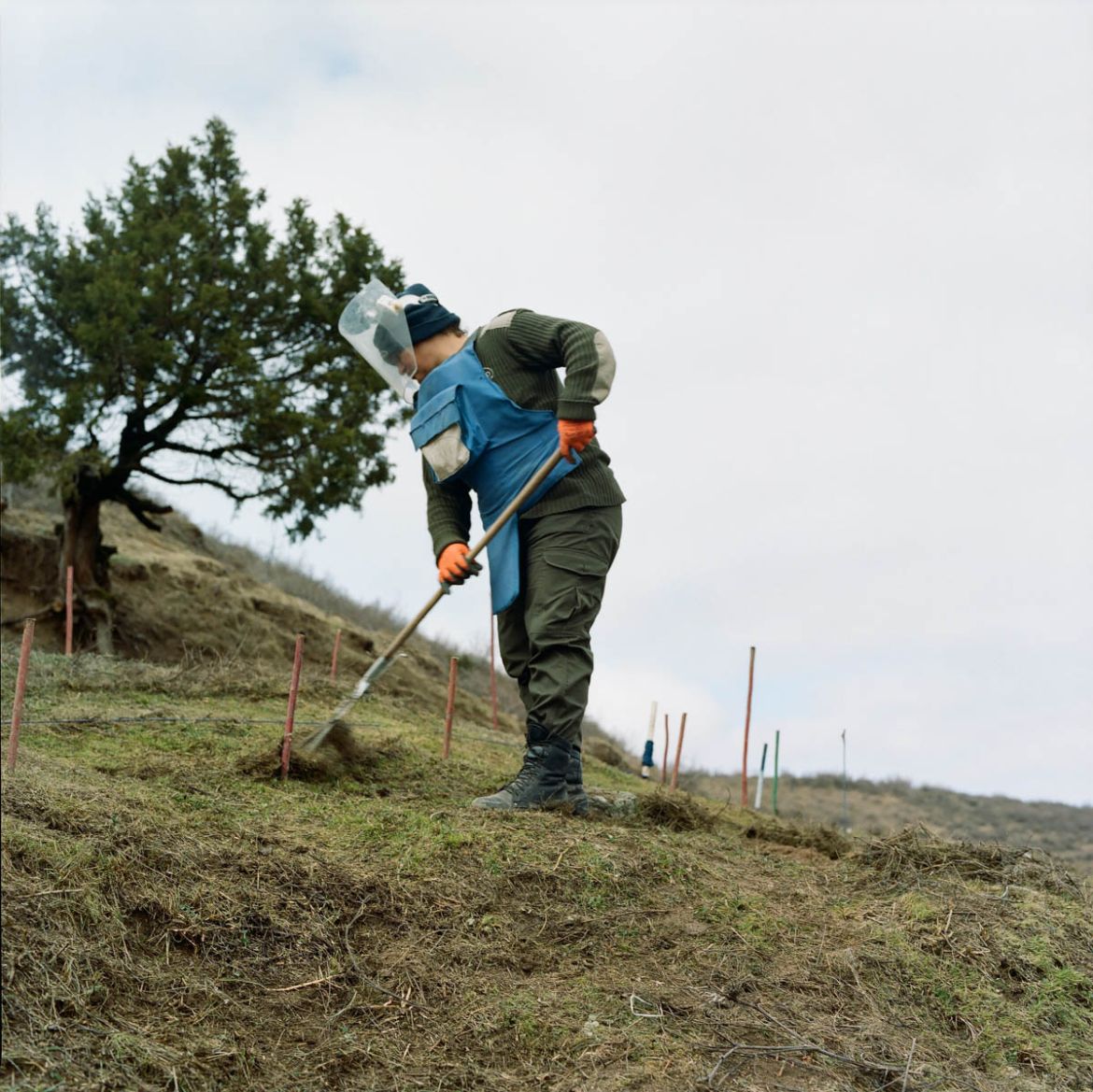
Alvina searches for PMN-2 mines at Marzili. These anti-personnel mines were used heavily during the Nagorno-Karabakh War (1988-1994). Manufactured in the Soviet Union, these small circular devices can be triggered by any form of pressure. Originally designed to disable an adult, a PMN-2 can kill a child. [Eva Clifford/Al Jazeera]
The female de-miners of Nagorno Karabakh
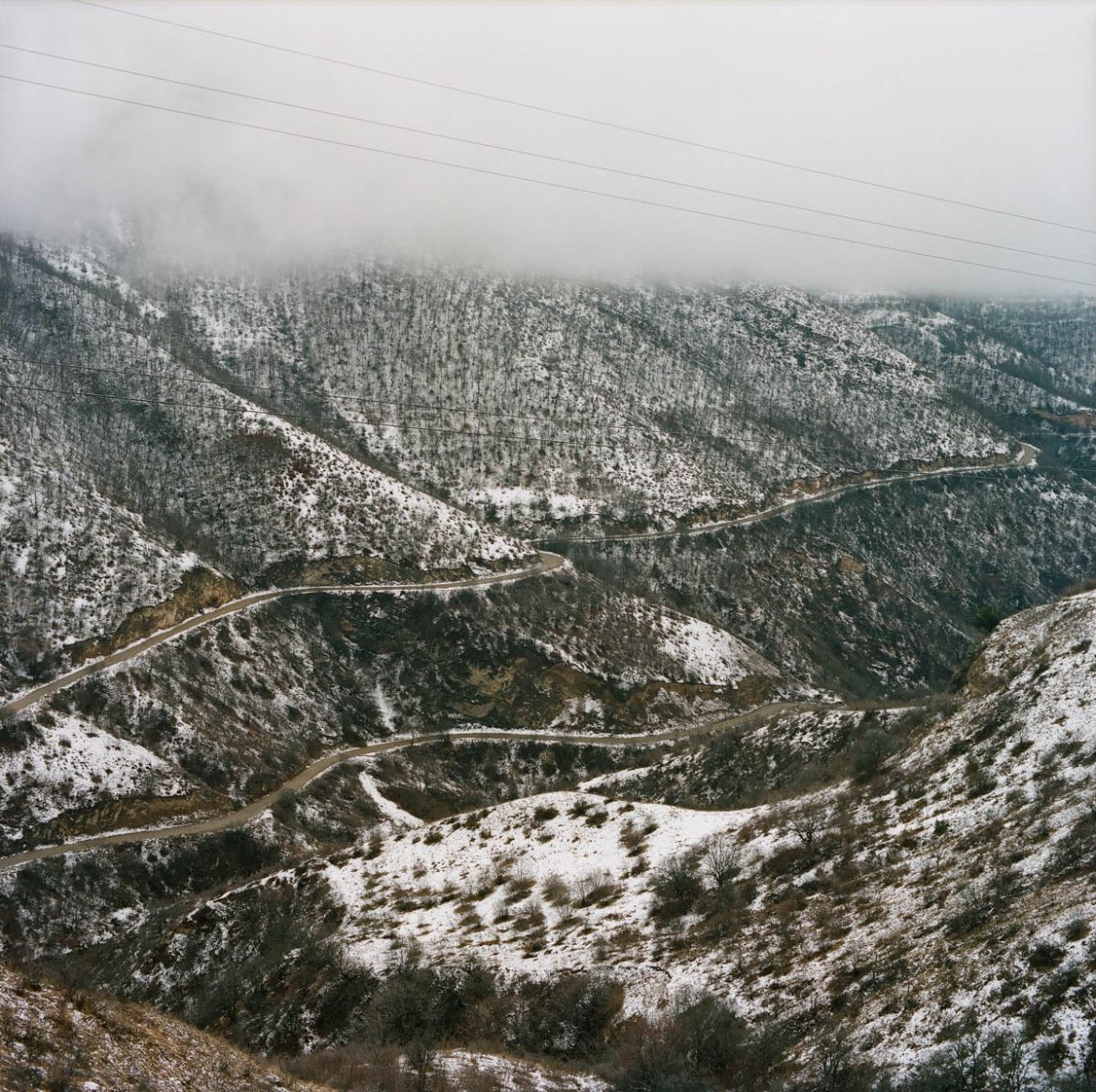
Anti-aircraft cables hang between the mountains in the Lachin region of Nagorno-Karabakh. Despite the ceasefire of 1994, tensions between Armenia and Azerbaijan remain high over the contested region. [Eva Clifford/Al Jazeera]
The female de-miners of Nagorno Karabakh
Lucine's uncle was killed by an OZM-72 mine. These mines are activated by a tripwire; in the case of Lucine's uncle, it was triggered by someone else. Lucine first found out about HALO because a relative of hers was working with them. She's now been a de-miner since 2017. [Eva Clifford/Al Jazeera]
The female de-miners of Nagorno Karabakh
The hardest part of the job, says Varditer, is being away from her kids. From Monday to Friday she is based at the minefield, but dedicates the whole weekend to her kids, who are aged 16 and 9. [Eva Clifford/Al Jazeera]
Advertisement
The female de-miners of Nagorno Karabakh
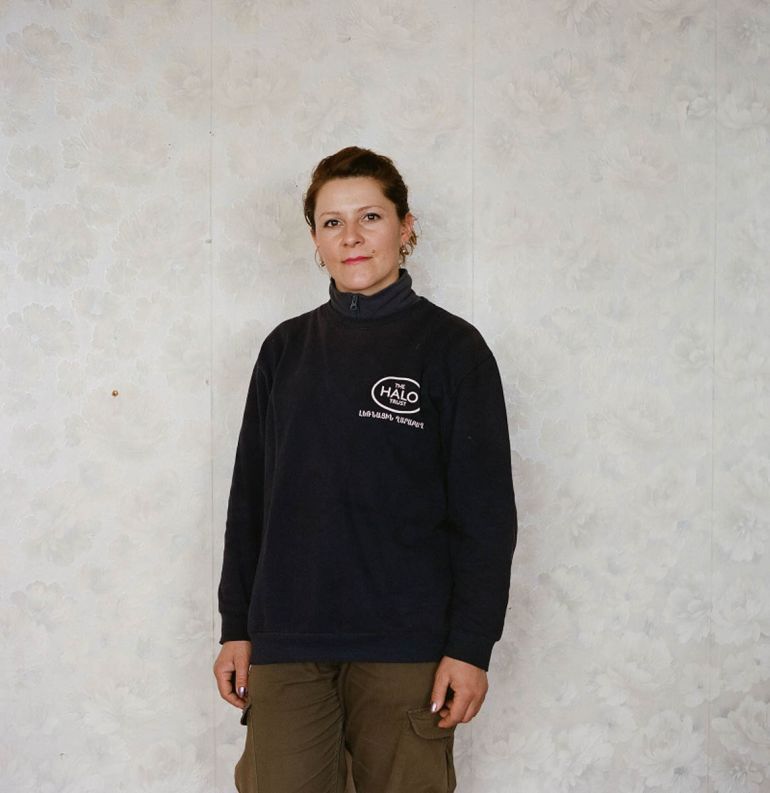
Inga is one of The HALO Trust’s female de-miners. Here, she is pictured at the base near the Karegah minefield in Berdzor (Lachin). [Eva Clifford/Al Jazeera]
The female de-miners of Nagorno Karabakh
Narine is one of the female de-miners working in the Lachin region. She has seven kids and as she lives nearby, she is able to return home each night after working in the field.
The female de-miners of Nagorno Karabakh
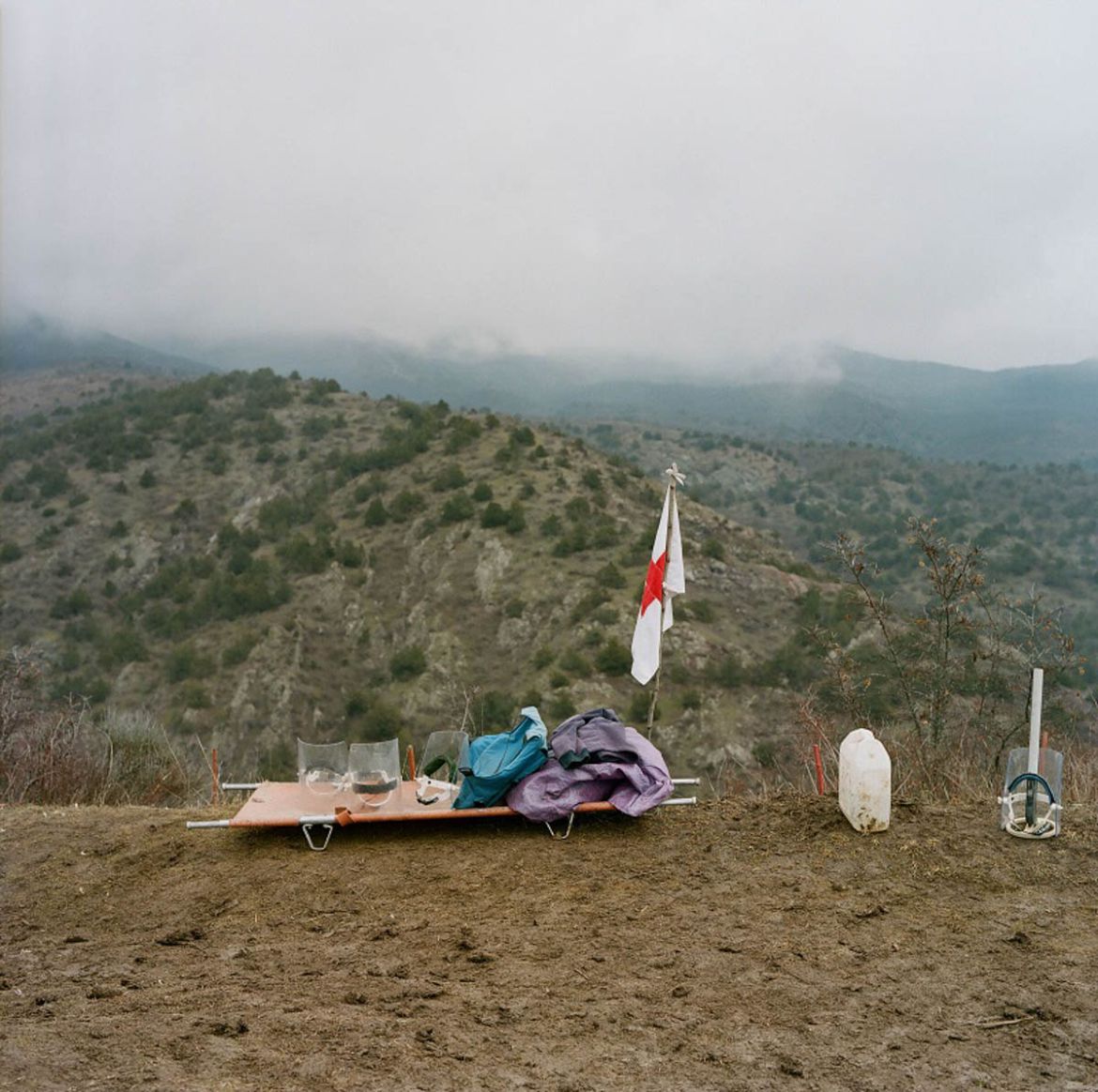
Each de-mining team typically contains two paramedics, just in case an accident occurs. [Eva Clifford/Al Jazeera]
The female de-miners of Nagorno Karabakh
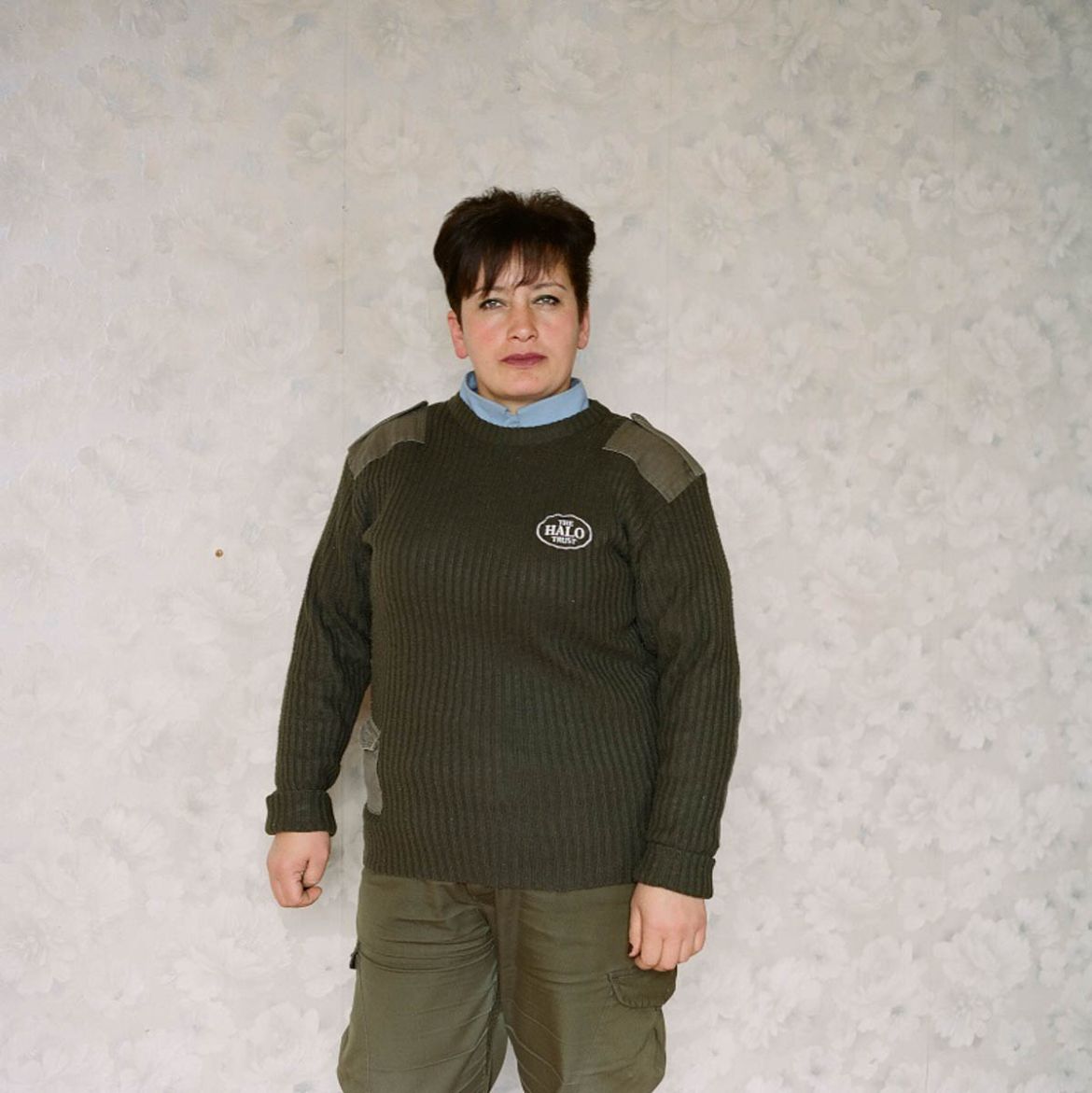
Christine, a female de-miner at the Aghavnatun minefield. [Eva Clifford/Al Jazeera]
The female de-miners of Nagorno Karabakh
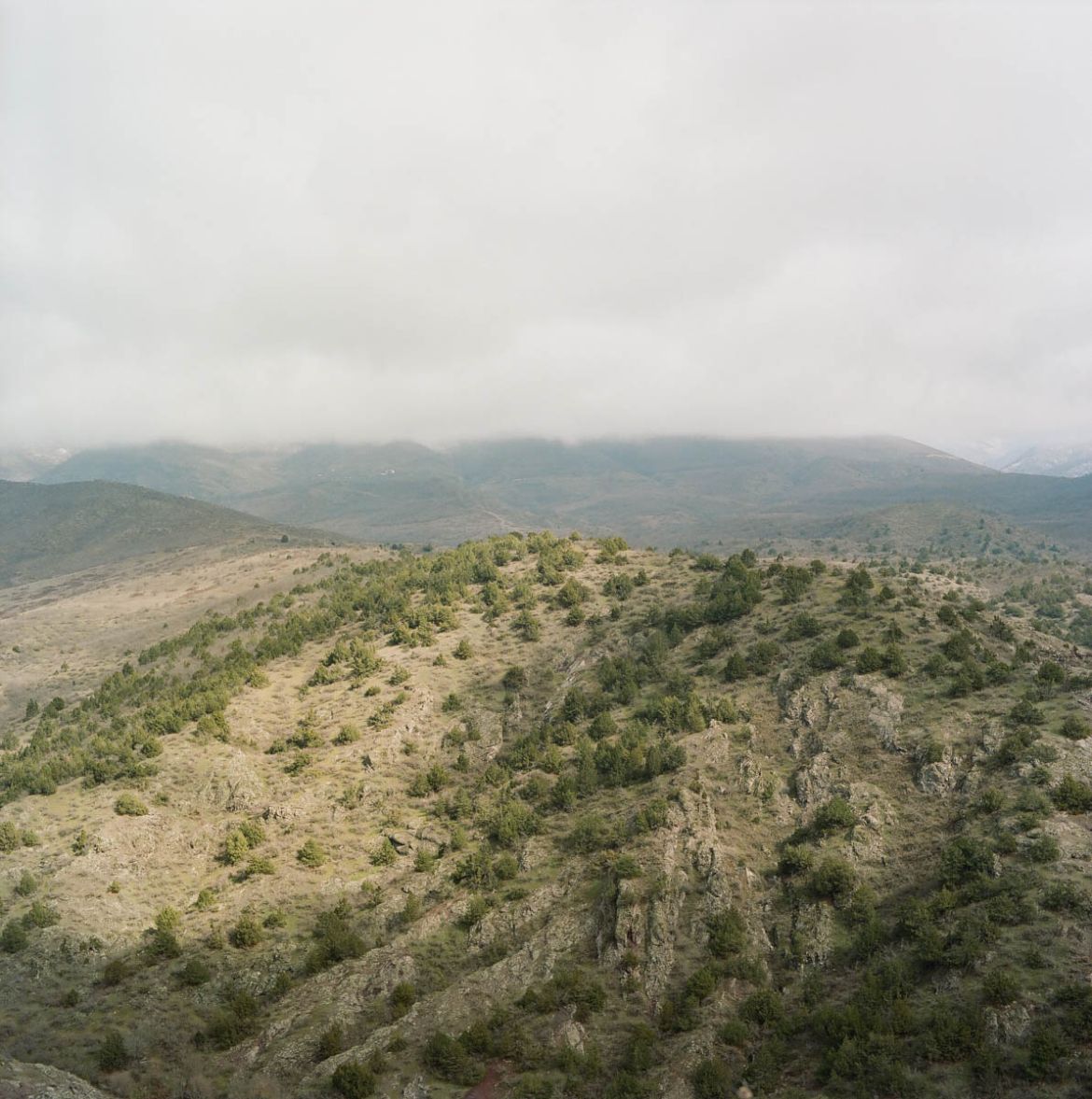
Military positions once lined the tops of these hills during the Nagorno-Karabakh War (1988-1994). When the residents of a nearby village noticed a landmine they alerted The HALO Trust, who dispatched a team to survey and clear the area. The village, being just 1.2km away, means children regularly come to play here. The team carries out a full excavation so that they can ensure the land is mine-free before handing it back to the local community. [Eva Clifford/Al Jazeera]
The female de-miners of Nagorno Karabakh
Each de-miner clears on average 10-11sq metres a day. Here, red posts mark the boundary between cleared and un-cleared land. [Eva Clifford/Al Jazeera]
The female de-miners of Nagorno Karabakh
Looking across the valley from the Aghavnatun minefield. [Eva Clifford/Al Jazeera]
The female de-miners of Nagorno Karabakh
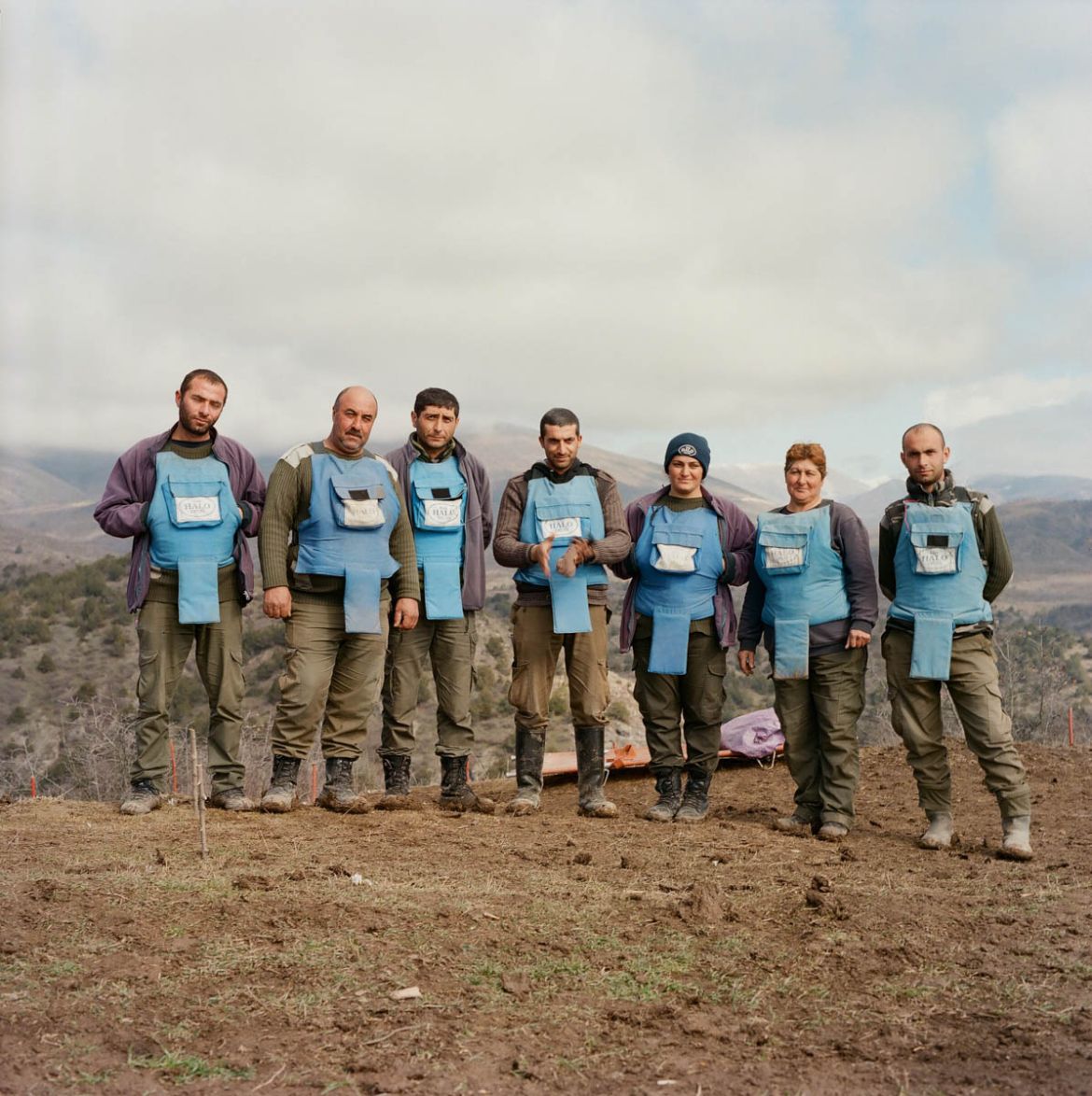
A HALO de-mining team at the Aghavnatun minefield. Once they have finished their work here, the land can be used safely again for multiple purposes - from grazing livestock to being a place where local kids can play and wander without fear. [Eva Clifford/Al Jazeera]


  • About

    • About Us
    • Code of Ethics
    • Terms and Conditions
    • EU/EEA Regulatory Notice
    • Privacy Policy
    • Cookie Policy
    • Cookie Preferences
    • Accessibility Statement
    • Sitemap
    • Work for us
  • Connect

    • Contact Us
    • User Accounts Help
    • Advertise with us
    • Stay Connected
    • Newsletters
    • Channel Finder
    • TV Schedule
    • Podcasts
    • Submit a Tip
  • Our Channels

    • Al Jazeera Arabic
    • Al Jazeera English
    • Al Jazeera Investigative Unit
    • Al Jazeera Mubasher
    • Al Jazeera Documentary
    • Al Jazeera Balkans
    • AJ+
  • Our Network

    • Al Jazeera Centre for Studies
    • Al Jazeera Media Institute
    • Learn Arabic
    • Al Jazeera Centre for Public Liberties & Human Rights
    • Al Jazeera Forum
    • Al Jazeera Hotel Partners

Follow Al Jazeera English:

  • facebook
  • twitter
  • youtube
  • instagram-colored-outline
  • rss
Al Jazeera Media Network logo
© 2025 Al Jazeera Media Network