Incumbent president Emomali Rakhmon is favoured to win in Wednesday’s elections.
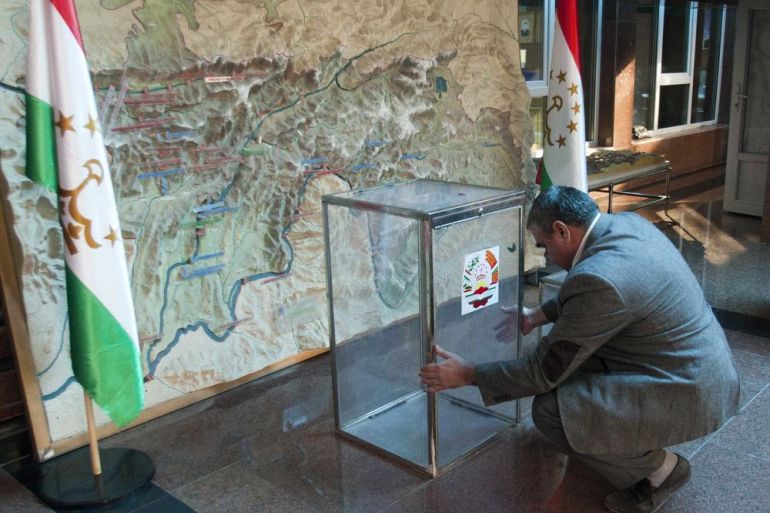
A ballot box is placed in a polling station in Dushanbe, the capital of Tajikistan, for the November 6 presidential elections. The former Soviet republic, population eight million, will choose among six presidential candidates.
Published On 6 Nov 20136 Nov 2013
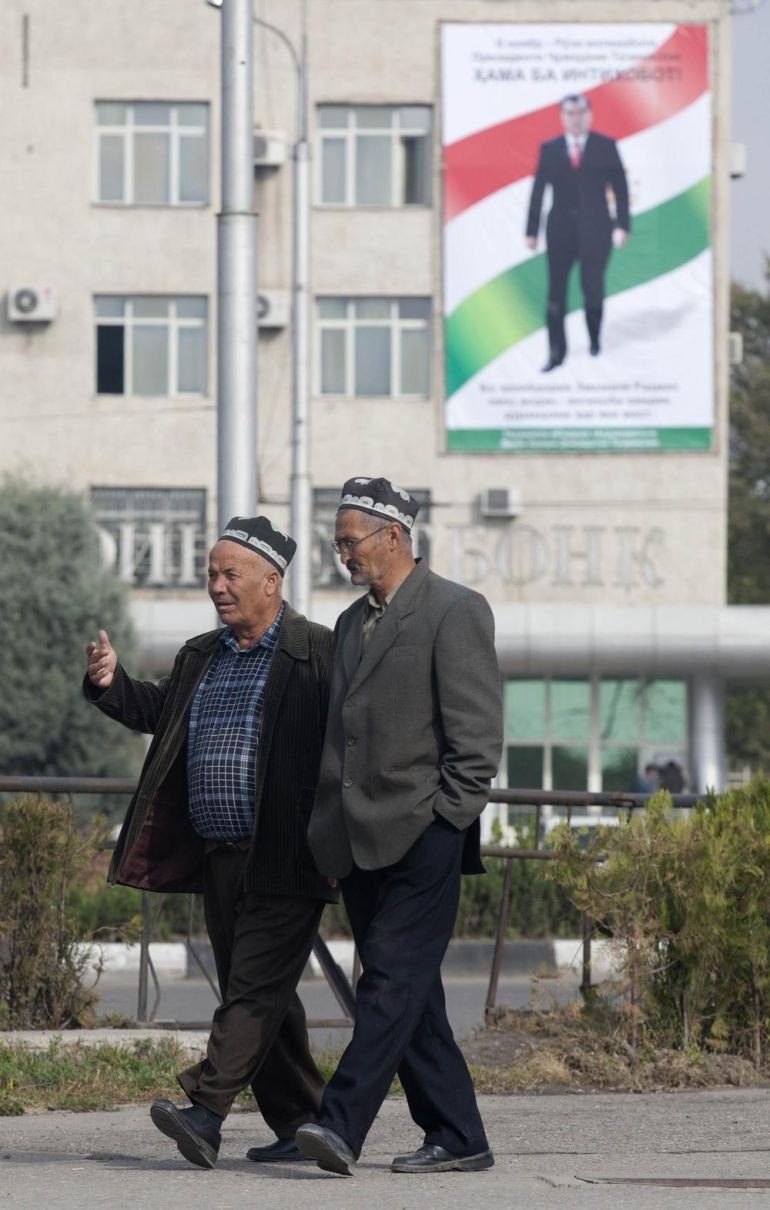
President Emomali Rakhmon is expected to win a new seven-year term, extending his rule to nearly three decades. The five other candidates who qualified are little-known and are loyal to Rakhmon. The international community has previously criticised Rakhmon, saying elections failed to meet democratic standards.
President Rakhmon took power in 1992, after the collapse of the Soviet Union. Rakhmon is often seen on state television surrounded by well-wishers who sing him odes and address him as "your highness."
Tajikistan(***)s former imperial master Russia opened a military base here in 2004. Last month, Rakhmon ratified a deal with Russia to extend Moscow(***)s military presence until 2042.
Tajiks are ethnically close to Persians, and their language is similar to Farsi. Ethnic Tajiks make up 84 percent of the population, Uzbeks 12 percent, Kyrgyz 0.8 percent and Russians 0.5 percent.
Tajikistan is the poorest of the 15 post-Soviet nations. It became a member of the World Trade Organization in March 2012. Monthly wages average just $135.
Forty-seven percent of Tajiks live below the poverty line, according to World Bank data, and the country(***)s per capita gross domestic product was just $860 in 2012 - putting it on par with many countries in sub-Saharan Africa.
More than half of Tajikistan(***)s labour force works abroad, mostly in Russia, and sends home remittances to support their families - like Shadi Madaminov, above.
Tajikistan(***)s economy is highly dependent on agriculture. Cotton is the most important crop, and its production is closely monitored, and, in many cases, controlled by the government, according to the CIA World Factbook.
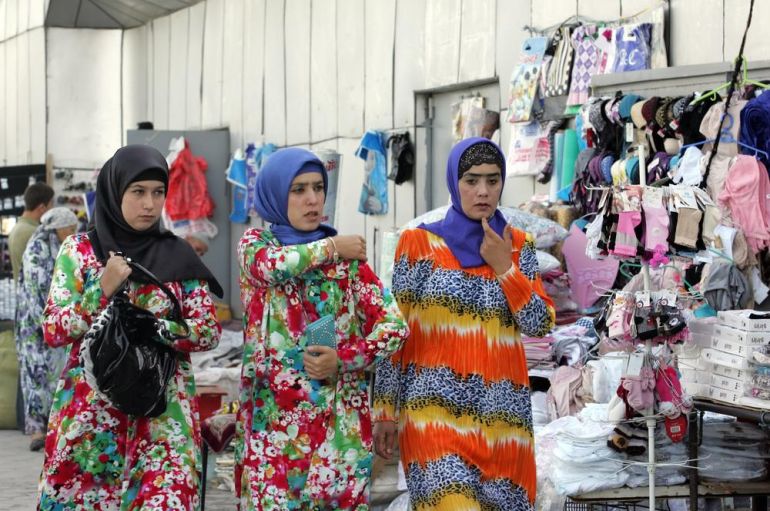
Tajikistan is the only former Soviet state with Islam as its official religion. Sunni Muslims make up 96.6 percent of the population and Shia Muslims 2.8 percent.
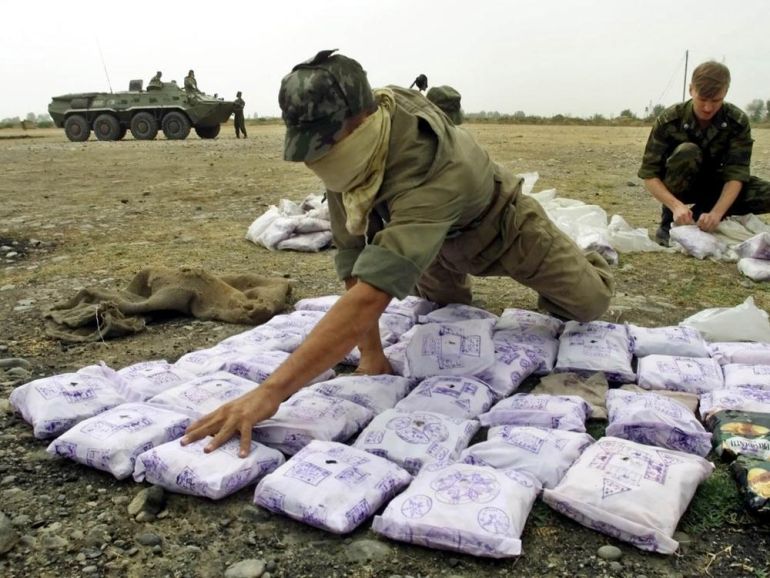
Tajikistan is one of the main routes for Afghan heroin entering Russia and Europe. But the government aggressively pursues drug traffickers.
Tajikistan has good relations with its neighbours, especially with China. In 2012, the two countries signed agreements for China to extend $1bn in direct investment to Tajikistan.