Skip linksSkip to Content
play
Live
Navigation menu
  • News
    • Africa
    • Asia
    • US & Canada
    • Latin America
    • Europe
    • Asia Pacific
  • Middle East
  • Explained
  • Opinion
  • Sport
  • Video
    • Features
    • Economy
    • Human Rights
    • Climate Crisis
    • Investigations
    • Interactives
    • In Pictures
    • Science & Technology
    • Podcasts
    • Travel
play
Live

In Pictures

Gallery|Women

In Pictures: The Moroccan fisherwomen

Fisherwomen in Moroccan coastal villages are breaking through boundaries to enter the male-dominated world of fishing.
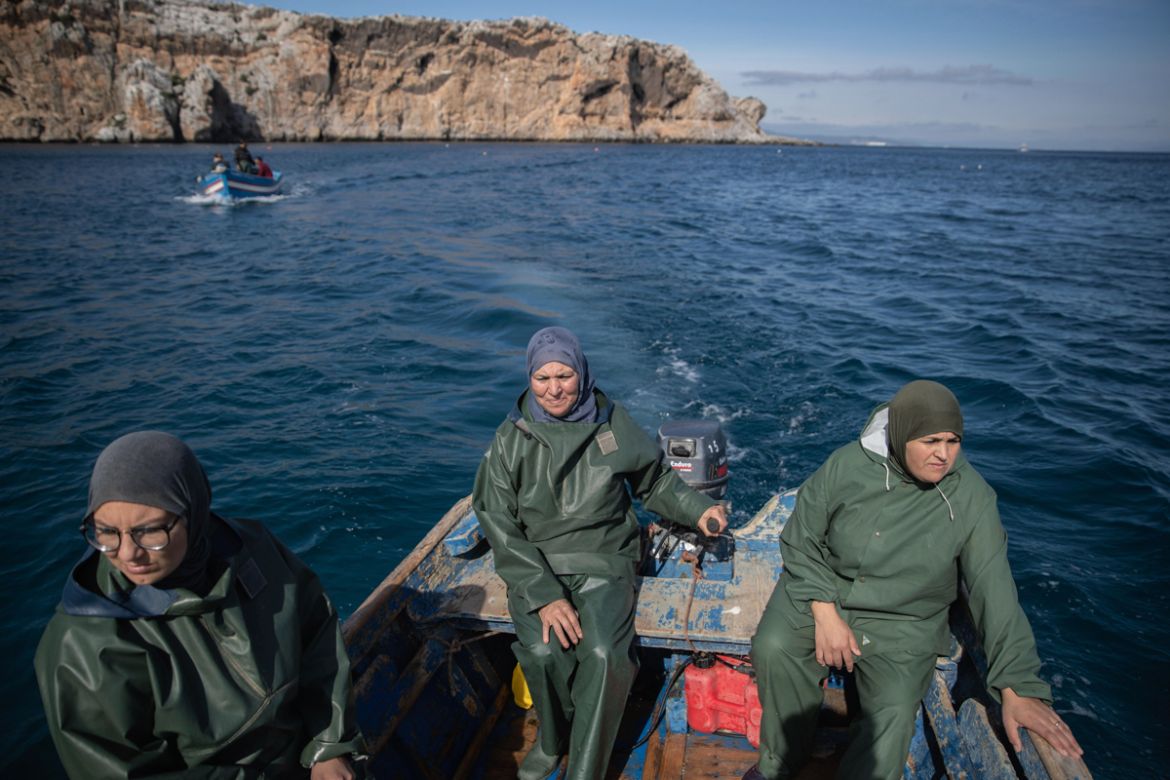
In this Wednesday, Feb. 12, 2020 photo, Fatiha Naji, right, Fatima Mekhnas, center and Saida Fetouh, left, members of the first Moroccan female fishing cooperative go out to sea in a fishing boat, in
Fatiha Naji, Fatima Mekhnas and Saida Fetouh, from right to left, members of the first Moroccan female fishing cooperative go out to sea in a fishing boat, in the village of Belyounech on the coast of the Mediterranean, northern Morocco. [Mosa'ab Elshamy/AP Photo]
Published On 12 May 202012 May 2020

Share

facebooktwitterwhatsappcopylink

Save

Fatima Mekhnas’ boots sink into the golden sand as she surveys the last beach in Morocco’s north. There is optimism in her eyes; a reflection of a dream fulfilled after decades of yearning for a spot on a fishing boat in the Mediterranean.

Behind her, the members of the North African country’s first female artisanal fishing cooperative push a small boat towards the sea, the start of their quest for the life-giving fish the blue waters offer.

As the boat slips into the water, the women jump in and embark on their first-ever government-recognised fishing trip. After two years of training, they have broken through the boundaries of a male-dominated livelihood.

“We live in the sea and if we separate from it, we will die like fish,” says Fatima. “The sea is my entire life and that of my children and the people of the village.”

Fatima is the president of the Belyounech cooperative.

Belyounech is located at the foot of Mount Moses, cut off from the world except for a side facing the sea and overlooking the Spanish enclave of Ceuta, seven kilometres (four miles) to the east. The closing of the Ceuta border in the early 2000s played havoc with the economy of the village.

Village men who had worked in Ceuta were forced to fall back on their grandfathers’ tradition, pulling octopus, scorpionfish, squid and red tuna from the waters to feed their families and sell in nearby towns.

Women returned to their kitchens.

“I was a house cleaner and a nanny in Ceuta. I worked for families for 20 euros a day and made a comfortable living. But when the border was closed, I just stayed home for years and years, watching the sea from my window,” explains 60-year-old Khedouj Ghazil.

Then she and other women began mending nets and cleaning boats – without pay.

The independent fishing sector provides 170,000 direct jobs and secures the livelihood of 5.2 million Moroccans, according to Thami Mechti of the National Maritime Popularization Center in Laarache.

Women’s access to paying jobs in it, however, has been restricted in part due to a lack of training.

But that is changing.

“For two years, we’ve been giving women all the necessary training so they can fish safely and professionally and know how to keep themselves from harm’s way,” Mechti explains.

Of the 19 women in the Belyounech cooperative, only four had previously made money from their catch.

“Men didn’t like the fact that a woman is at sea fishing,” says Fatiha Naji. She remembers the insults she endured when she became a fisherwoman after her husband lost his job as a street vendor when the border closed.

“I would often think what if other women in the village were with me,” she recalls.

The cooperative was launched in March 2018 to help the women enter the market. Initially they mended nets – but this time for money.

Then the women started setting their eyes on the sea.

“Working in the sea is not easy but it is what my sisters and I love. It is finally coming true,” says Fatima.
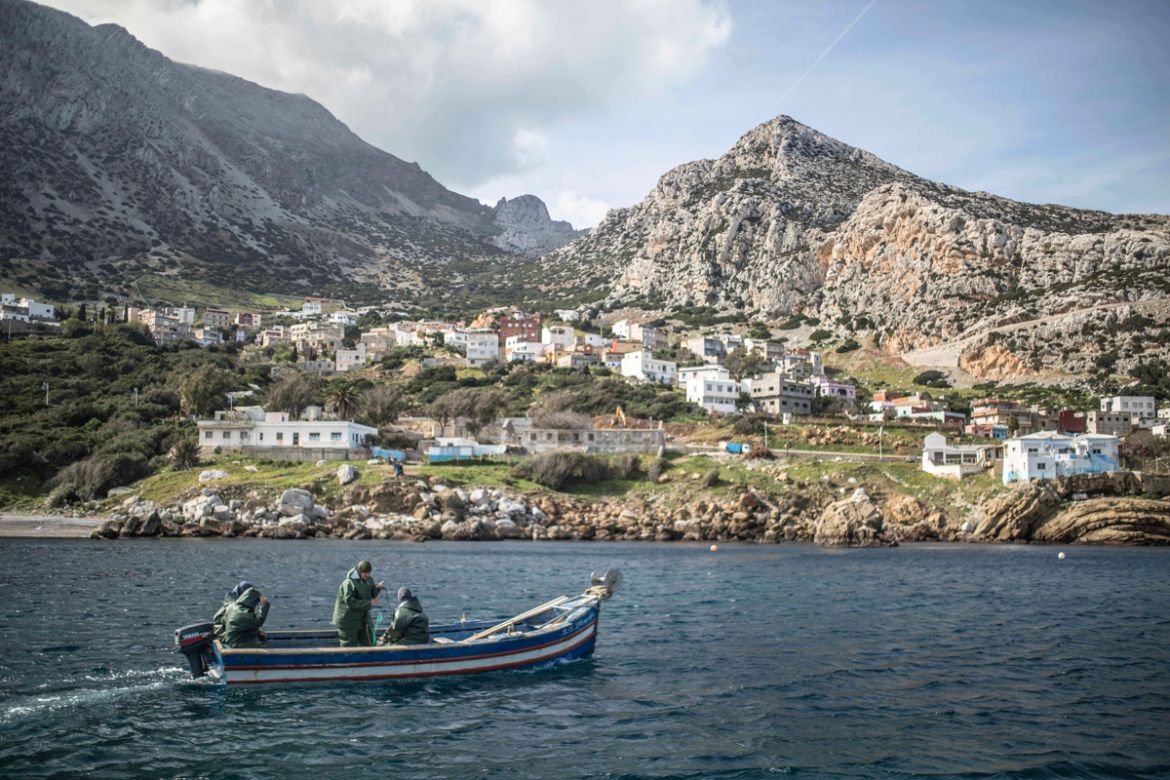
In this Wednesday, Feb. 12, 2020 photo, members of the first Moroccan female fishing cooperative go out to sea in a fishing boat, in the village of Belyounech on the coast of the Mediterranean, northe
Belyounech is located at the foot of Mount Moses, cut off from the world except for a side facing the sea and overlooking the Spanish enclave of Ceuta, seven kilometres (four miles) to the east. [Mosa'ab Elshamy/AP Photo]
Advertisement
In this Wednesday, Feb. 12, 2020 photo, members of the first Moroccan female fishing cooperative go out to sea in a fishing boat, in the village of Belyounech on the coast of the Mediterranean, northe
Fisherwomen in Moroccan coastal villages are breaking through boundaries to enter the male-dominated world of fishing. After two years of training, the North African country's first female fishing cooperative hopes to earn money from fishing for the first time. [Mosa'ab Elshamy/AP Photo]
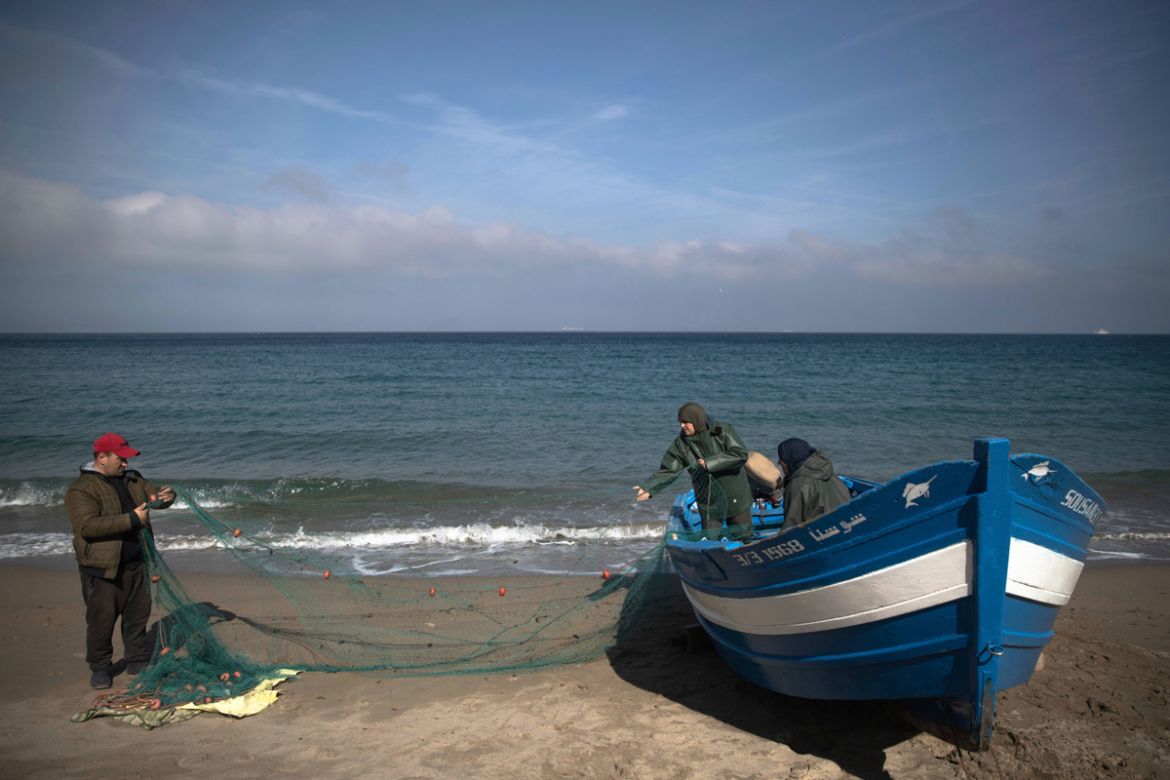
In this Wednesday, Feb. 12, 2020 photo, members of the first Moroccan female fishing cooperative prepare go out to sea in a fishing boat, in the village of Belyounech on the coast of the Mediterranean
Women's access to paying jobs in the independent fishing sector has been restricted in part due to a lack of training. [Mosa'ab Elshamy/AP Photo]
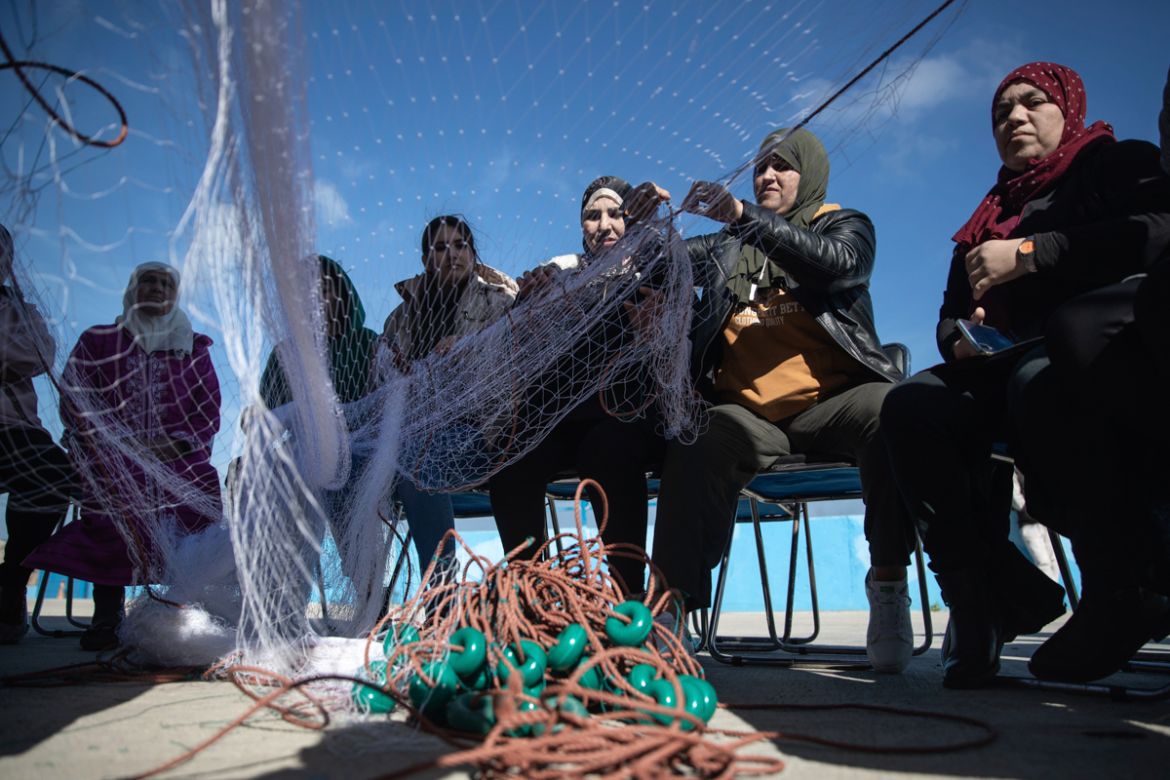
In this Tuesday, Feb. 11, 2020 photo, members of the first Moroccan female fishing cooperative prepare fishing nets to go to sea, in the village of Belyounech on the coast of the Mediterranean, northe
The women have long mended fishing nets or helped their husbands fish, while yearning for a spot of their own on a fishing boat in the Mediterranean. [Mosa'ab Elshamy/AP Photo]
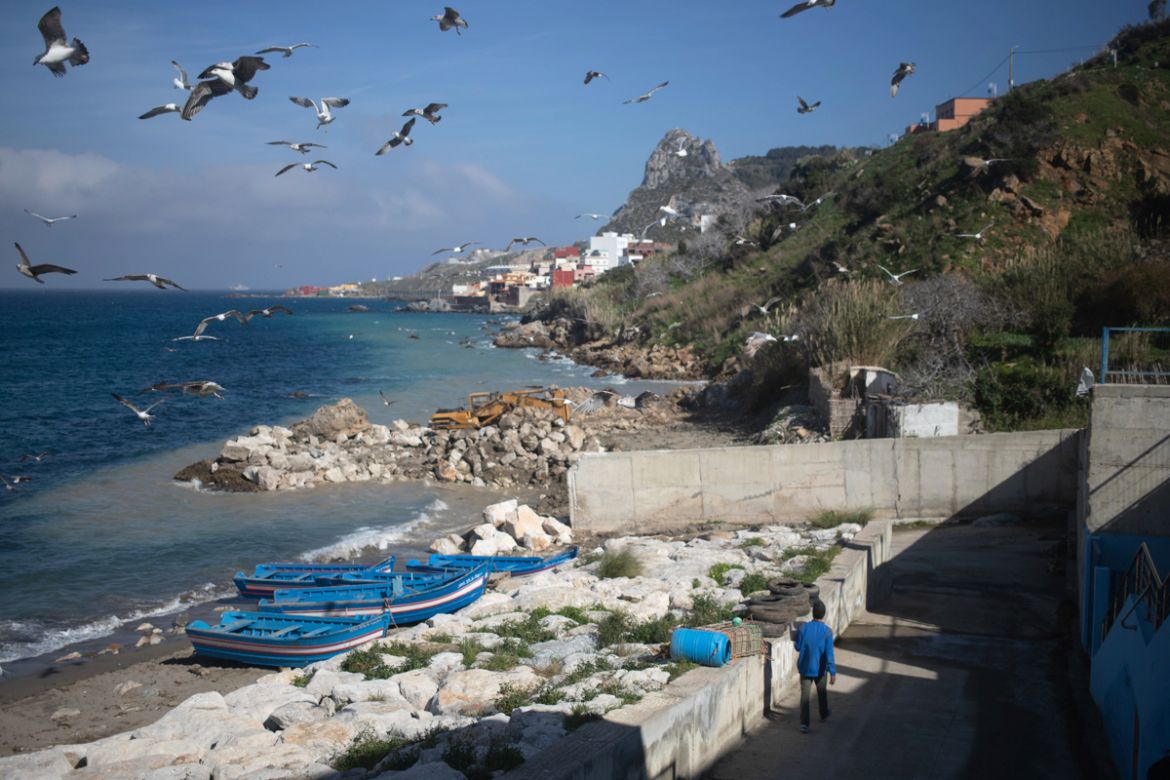
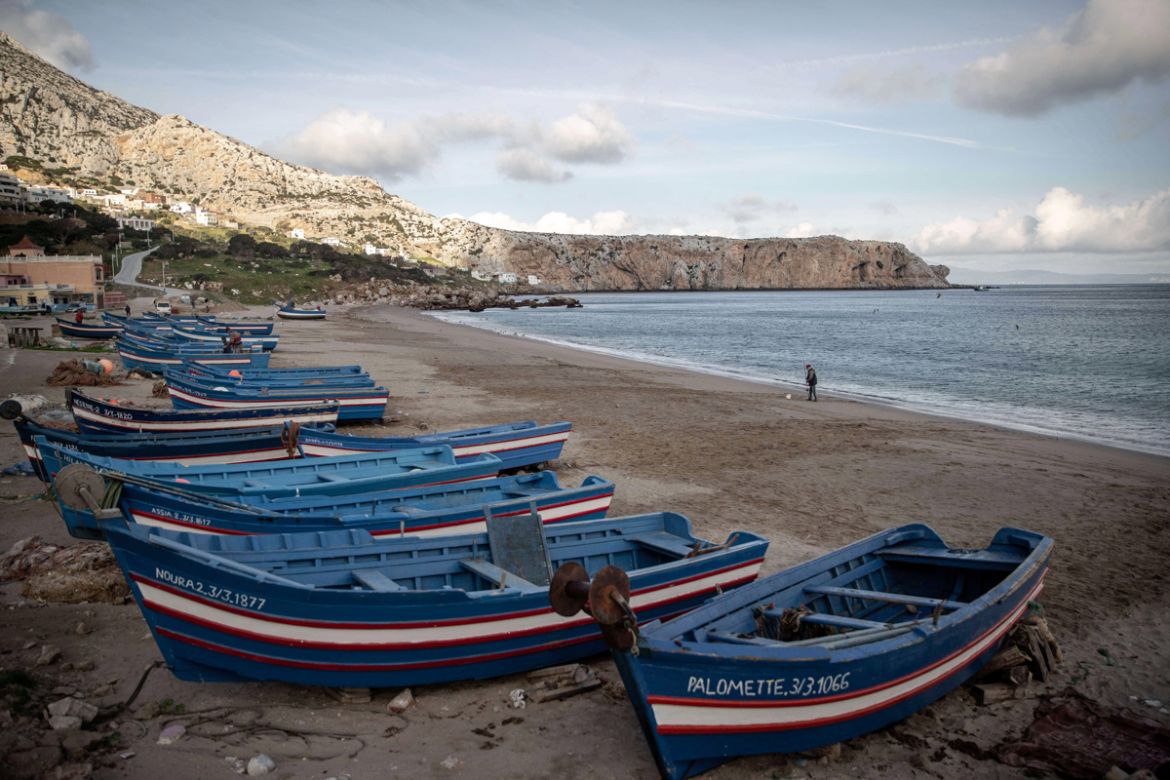
In this Tuesday, Feb. 11, 2020 photo, a seagulls fly as a fisherman walks towards a beach in the village of Belyounech, where the the first Moroccan female fishing cooperative was started, on the coas
The Moroccan female fishing cooperative was launched in March 2018 to help the women enter the market. [Mosa'ab Elshamy/AP Photo]
In this Tuesday, Feb. 11, 2020 photo, members of the first Moroccan female fishing cooperative prepare fishing nets before going out to sea, in the village of Belyounech on the coast of the Mediterran
Now, the women's fishing cooperative is pushing its small fishing boats into the sea. [Mosa'ab Elshamy/AP Photo]
Advertisement
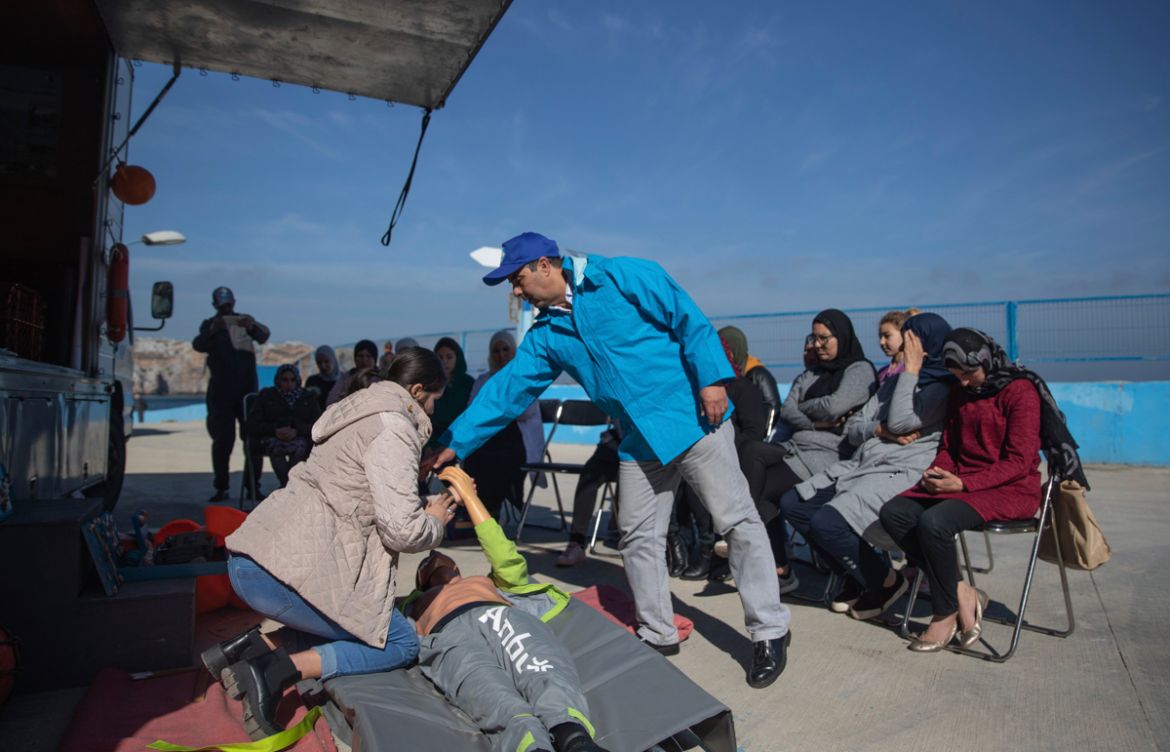
In this Tuesday, Feb. 11, 2020 photo, members of the first Moroccan female fishing cooperative receive first aid training in the village of Belyounech on the coast of the Mediterranean, northern Moroc
The fisherwomen receive first aid training. [Mosa'ab Elshamy/AP Photo]
In this Tuesday, Feb. 11, 2020 photo, Saida Fetouh, left, and Habiba Mekhnes, right, members of the first Moroccan female fishing cooperative, are seen in their home with their daughters, in the villa
Saida Fetouh, left, and Habiba Mekhnes, right, at home with their daughters, in the village of Belyounech. Of the 19 women in the cooperative, only four had previously made money from their catch. [Mosa'ab Elshamy/AP Photo]
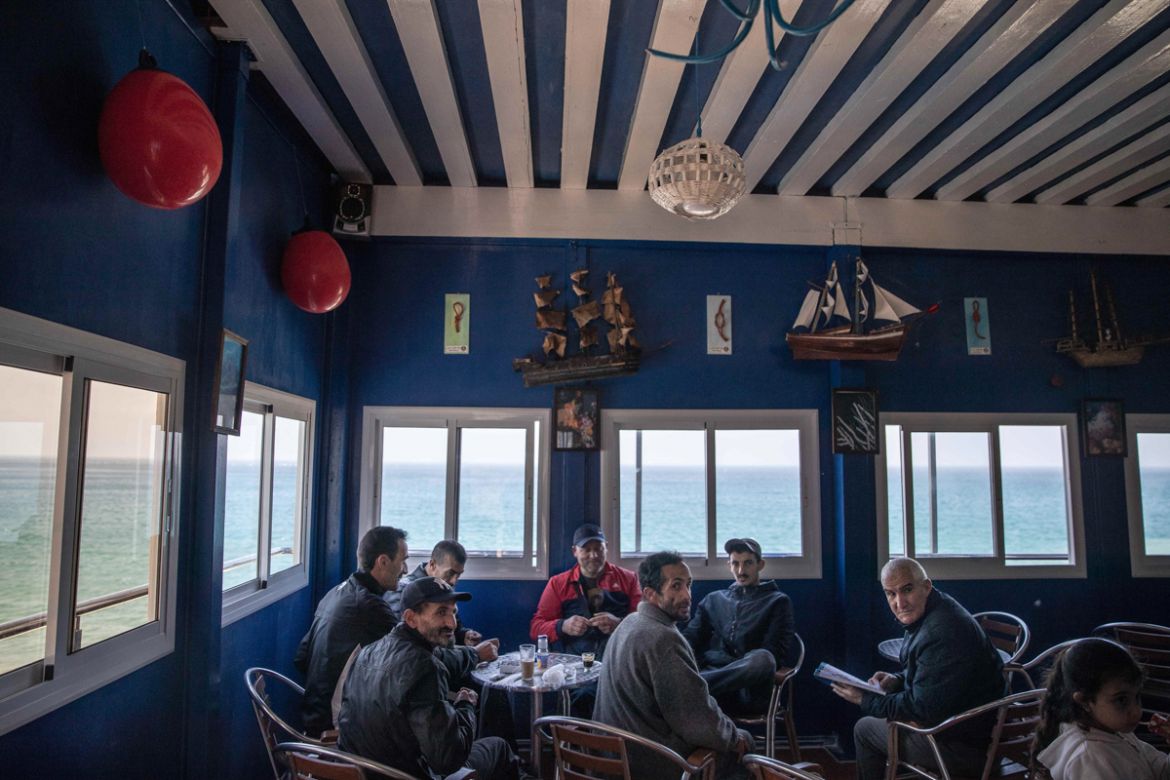
In this Tuesday, Feb. 11, 2020 photo, fishermen hang out in a coffee shop in the village of Belyounech, where the the first Moroccan female fishing cooperative was started, on the coast of the Mediter
The fishing industry provides 170,000 direct jobs and secures the livelihood of 5.2 million Moroccans, according to Thami Mechti of the National Maritime Popularization Center in Laarache. [Mosa'ab Elshamy/AP Photo]
In this Wednesday, Feb. 12, 2020 photo, a fisherman walks along the beach in the village of Belyounech on the coast of the Mediterranean, northern Morocco. Fisherwomen in Moroccan coastal villages are
'For two years, we've been giving women all the necessary training so they can fish safely and professionally and know-how to keep themselves from harm's way,' explains Thami Mechti. [Mosa'ab Elshamy/AP Photo]


  • About

    • About Us
    • Code of Ethics
    • Terms and Conditions
    • EU/EEA Regulatory Notice
    • Privacy Policy
    • Cookie Policy
    • Cookie Preferences
    • Accessibility Statement
    • Sitemap
    • Work for us
  • Connect

    • Contact Us
    • User Accounts Help
    • Advertise with us
    • Stay Connected
    • Newsletters
    • Channel Finder
    • TV Schedule
    • Podcasts
    • Submit a Tip
  • Our Channels

    • Al Jazeera Arabic
    • Al Jazeera English
    • Al Jazeera Investigative Unit
    • Al Jazeera Mubasher
    • Al Jazeera Documentary
    • Al Jazeera Balkans
    • AJ+
  • Our Network

    • Al Jazeera Centre for Studies
    • Al Jazeera Media Institute
    • Learn Arabic
    • Al Jazeera Centre for Public Liberties & Human Rights
    • Al Jazeera Forum
    • Al Jazeera Hotel Partners

Follow Al Jazeera English:

  • facebook
  • twitter
  • youtube
  • instagram-colored-outline
  • rss
Al Jazeera Media Network logo
© 2025 Al Jazeera Media Network