Yacob Arsano: An atmosphere of suspicion
The Ethiopian academic explains the issues behind the agreements of 1929 and 1959.
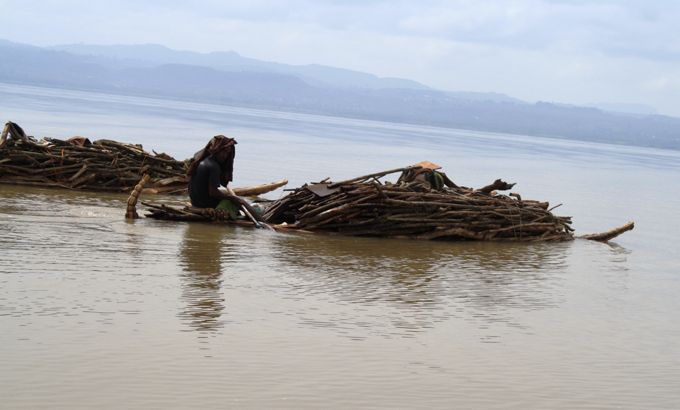
The Ethiopians call the Blue Nile “the Abbai” – a word carrying a sense of reverence and adoration.
For more than 80 per cent of Ethiopians the very thought of a light bulb is a dream. and the Nile could help realise that dream.
Keep reading
list of 4 itemsPhotos: Heartbreak in Zimbabwe park – Elephants’ desperate hunt for water
Photos: Natural disasters that plagued the world in 2023
‘Everything is dead’: How record drought is wreaking havoc on the Amazon
Harnessing the fast-flowing river descending from the Ethiopian highlands would generate electricity – reducing the country’s chronic power shortage. But to date the full potential of the river remains untapped.
Decades of civil unrest and war have hindered Ethiopia’s ability to develop. Instead, it remains one of world’s poorest countries.
In 1959 Egypt and Sudan agreed on dividing the river’s waters. Ethiopia was neither invited to the negotiations, nor included in the agreement.
Professor Yacob Arsano, an associate professor of political science and international relations at Addis Ababa University, explains why the exclusion of Ethiopia in the agreements of 1929 and 1959 was a mistake.
“The name of Abbai is big father. It is fatherly. The resource that provides – that is very heavy, very respected, revered from Ethiopian side.” Yacob Arsana
Published On 13 Jun 2011