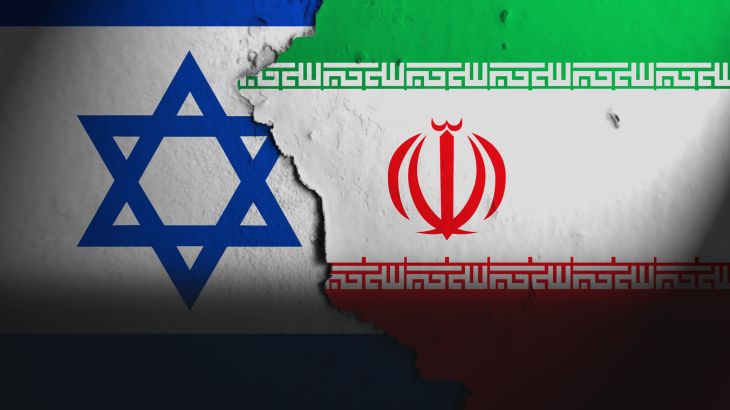
Iran vs Israel: Deterrence, drama or distraction?
In the flurry of headlines about Iran’s retaliation against Israel, the Gaza story takes a hit.
In the flurry of headlines about Iran’s retaliation against Israel, the Gaza story takes a hit.
A weekly programme that examines and dissects the world’s media, how they operate and the stories they cover. Watch The Listening Post every Saturday at 0830GMT


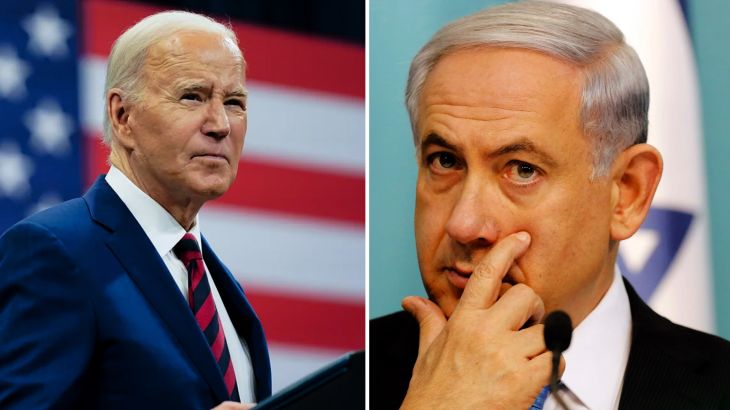

An absurd spectacle as the US drops aid into Gaza while also arming Israel.

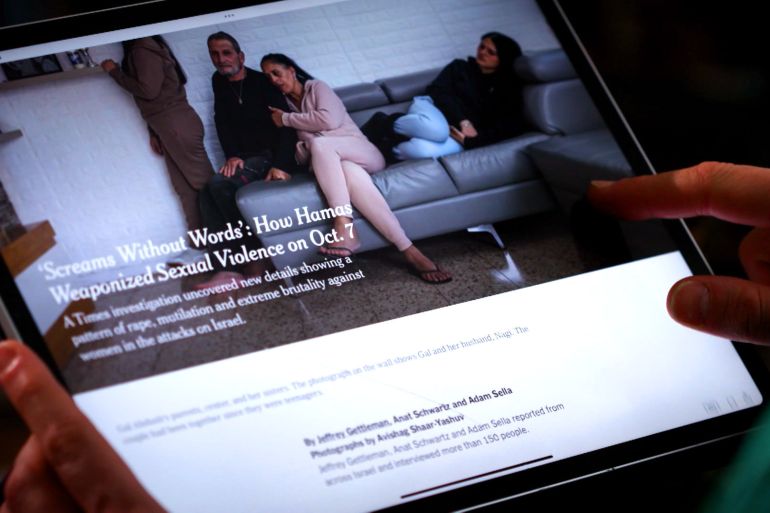
An horrific story in the New York Times falls apart and exposes systemic issues.
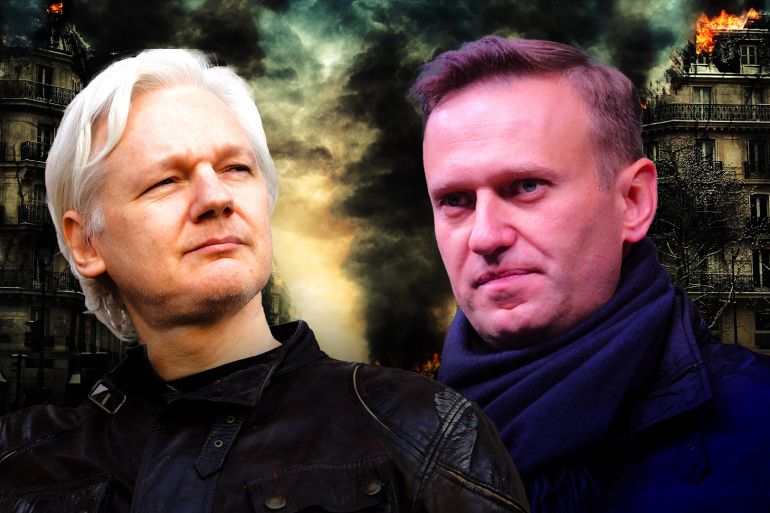
The media coverage of two dissidents reveals how Western media select those they champion and vilify.
Is the horror of Rafah being downplayed or do we not have the words to describe it?

Pakistan’s election does not go the way the country’s powerful military intended – despite their media meddling.

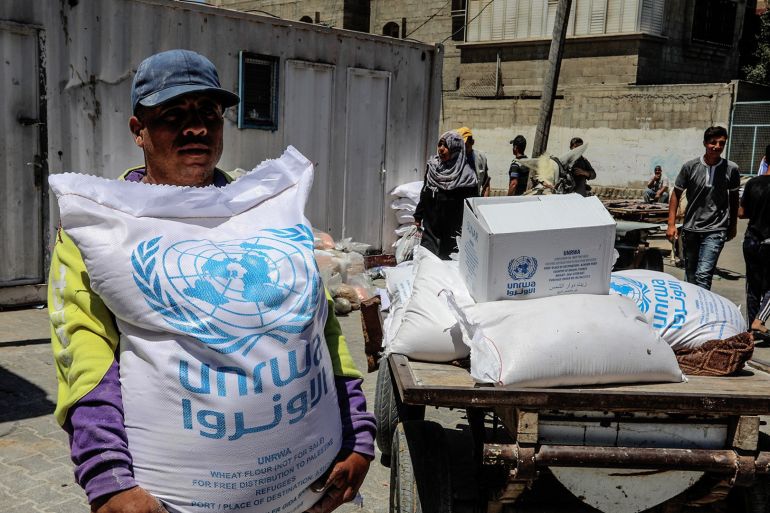
Israeli intelligence accuses a UN refugee agency of collusion with Hamas – and the media take it at face value.
The ICJ’s order to Israel to stop acts of genocide marks a watershed in the Gaza war.

As the ICJ deliberates, what is the narrative in Israel about the case?

How will an ICJ ruling on the war on Gaza change the media narrative? Plus, the underreported war in Sudan.
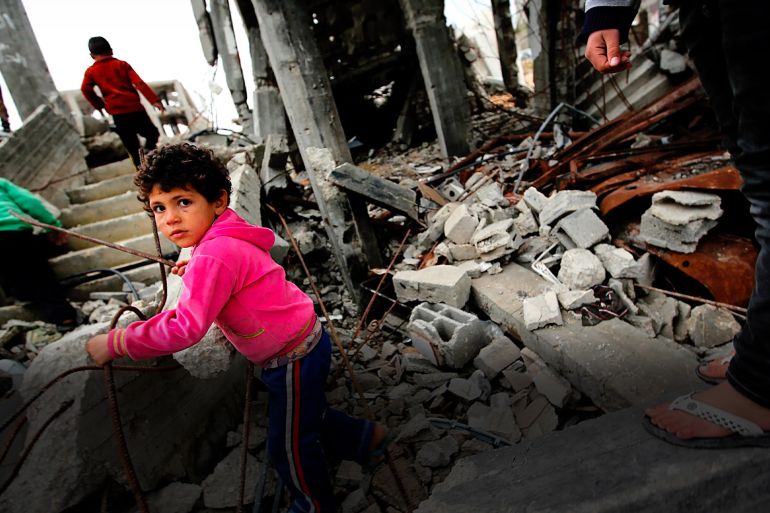
We compile three interviews with experts and a journalist who discuss how the media helped enable genocide in Gaza.
