[QODLink]
In Pictures
In pictures: Egypt - signs of change
 
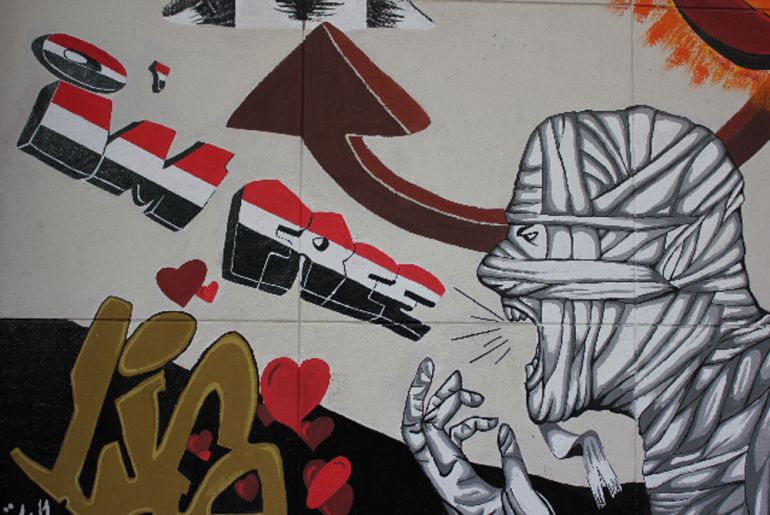
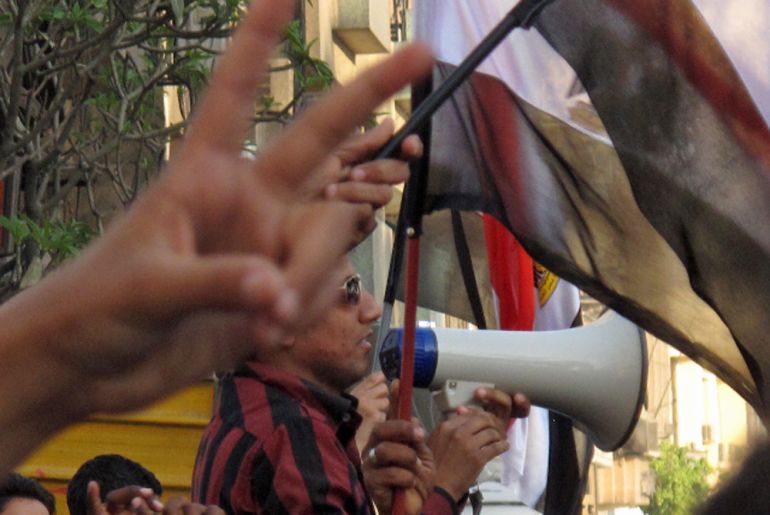
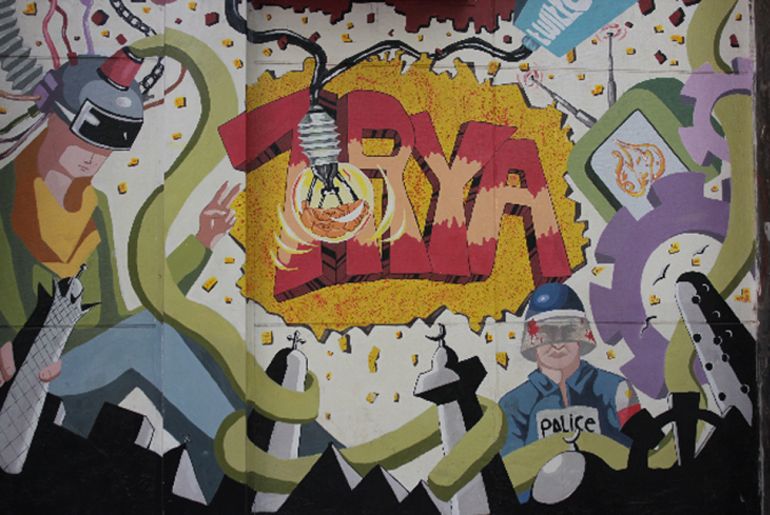
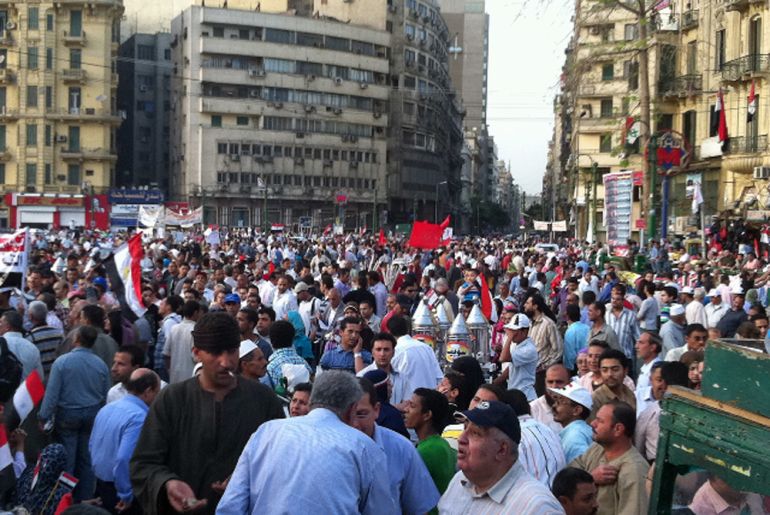
Inspired by the successful revolution in Tunisia, Egyptians began taking to the streets to protest against poverty, rampant unemployment, government corruption and autocratic governance [Neil Brandt]
These were the first protests on such a large scale in Egypt since the 1970s [Neil Brandt]
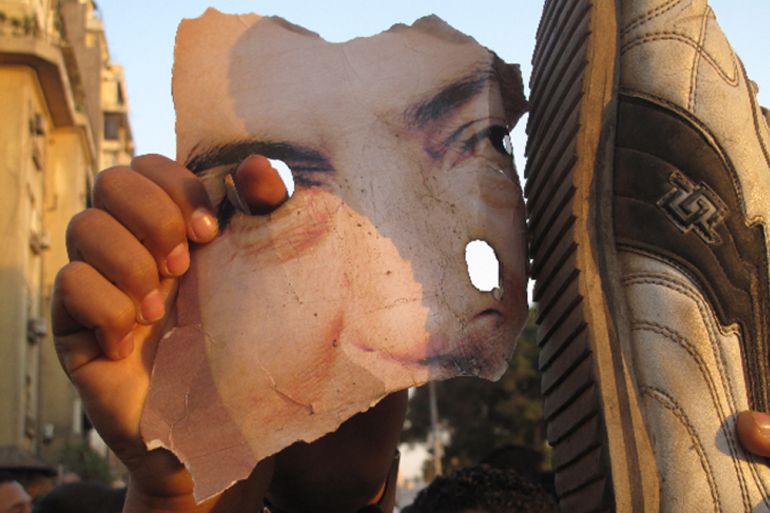
After 18 days of protests, involving tens of thousands of people across Egypt, Hosni Mubarak resigned as Egyptian president [Shameela Seedat]
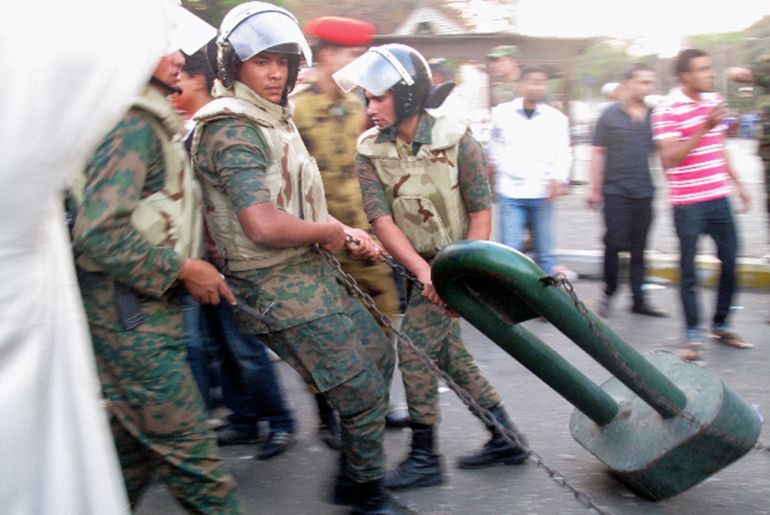
After Mubarak's resignation, power was handed over to the Egyptian army [Neil Brandt]
Many Egyptians returned to their homeland from abroad to join the protests [Neil Brandt]
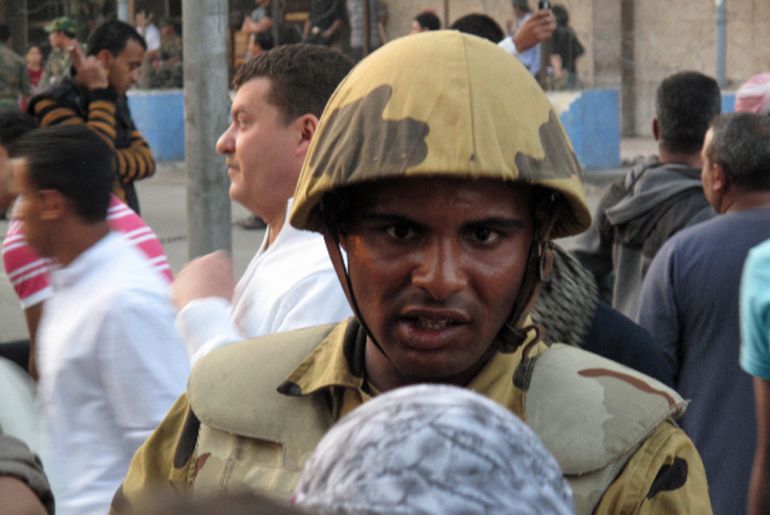
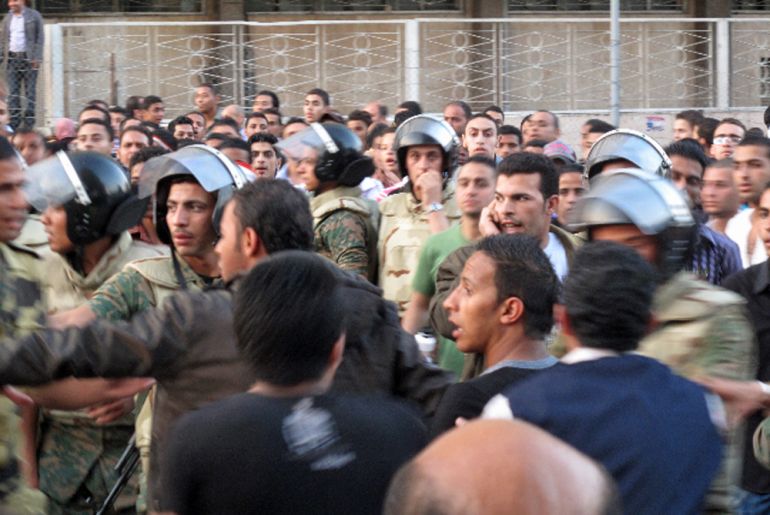
Military leaders realised that cracks were starting to appear and that many soldiers sided with the protesters [Neil Brandt]
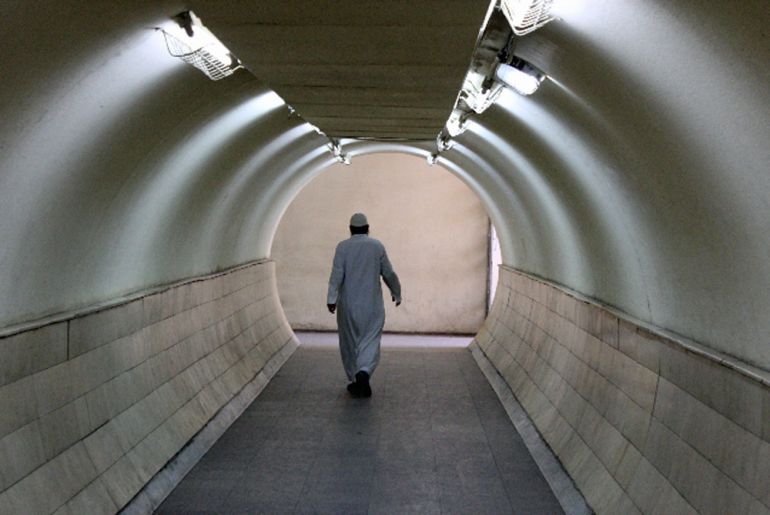
Some Egyptians say that the unexpected high of the triumph over the Mubarak regime has been followed by a crashing low [Neil Brandt]
Many Egyptians felt a sense of national purpose during the protests in January and February [Neil Brandt]
But the reality of trying to build a new society is much harder than expected [Francois Verster]
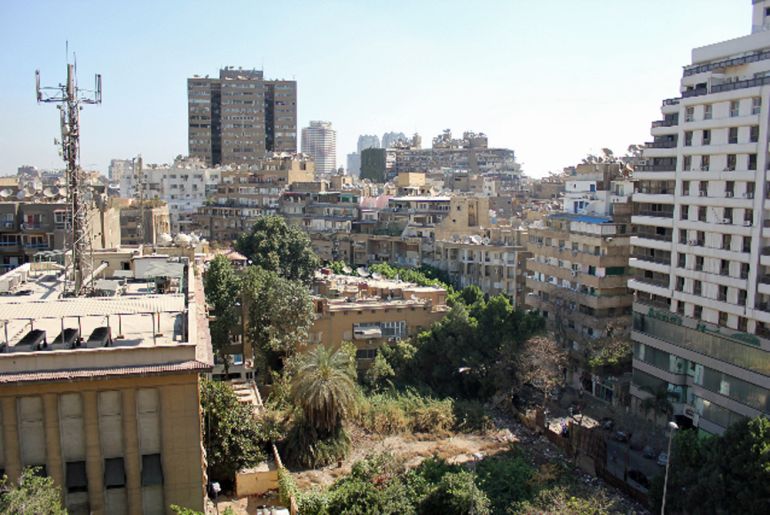
The old problems of poverty and unemployment have not gone away [Francois Verster]
Real improvements in the economy, crime prevention and genuine freedoms are important benchmarks for a future Egypt [Francois Verster]
In post-revolution Egypt many people are committed to playing their part in political life and in rebuilding their future [Neil Brandt]
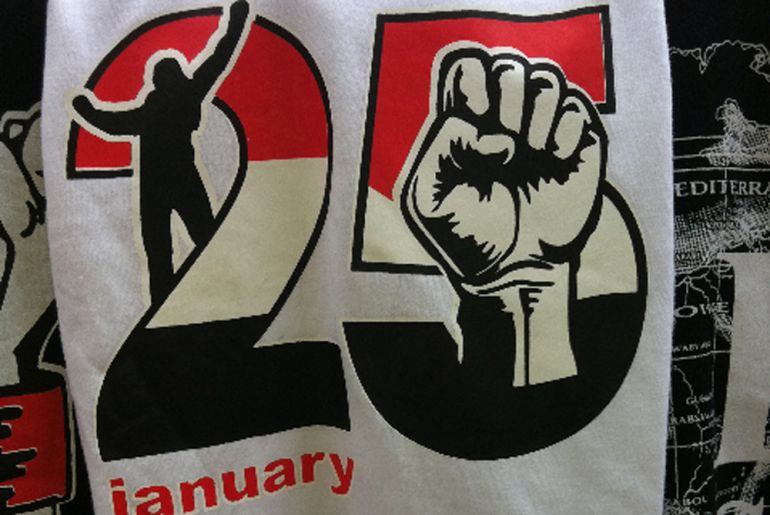
Many young people believe that the January revolution should be seen as "only the beginning", and that depending on how things turn out, a second revolution may be in store [Shameela Seedat]
  • image0
  • image1
  • image2
  • image3
  • image4
  • image5
  • image6
  • image7
  • image8
  • image9
  • image10
  • image11
  • image12

In pictures: Egypt - signs of change /mritems/Images/2011/7/6/2011769140513784_7.jpg;*;/mritems/Images/2011/7/6/20117691138766784_8.jpg;*;/mritems/Images/2011/7/6/201176979929876_8.jpg;*;/mritems/Images/2011/7/6/2011769238405140_8.jpg;*;/mritems/Images/2011/7/6/2011769212873621_8.jpg;*;/mritems/Images/2011/7/6/201176939531360_8.jpg;*;/mritems/Images/2011/7/6/2011769947872112_8.jpg;*;/mritems/Images/2011/7/6/201176956347371_8.jpg;*;/mritems/Images/2011/7/6/2011769624334472_8.jpg;*;/mritems/Images/2011/7/6/2011769749321738_8.jpg;*;/mritems/Images/2011/7/6/2011769552927833_8.jpg;*;/mritems/Images/2011/7/6/201176906869112_8.jpg;*;/mritems/Images/2011/7/6/201176859379797_8.jpg Inspired by the successful revolution in Tunisia, Egyptians began taking to the streets to protest against poverty, rampant unemployment, government corruption and autocratic governance [Neil Brandt];*;These were the first protests on such a large scale in Egypt since the 1970s [Neil Brandt];*;After 18 days of protests, involving tens of thousands of people across Egypt, Hosni Mubarak resigned as Egyptian president [Shameela Seedat];*;After Mubarak(***)s resignation, power was handed over to the Egyptian army [Neil Brandt];*;Many Egyptians returned to their homeland from abroad to join the protests [Neil Brandt];*;Military leaders realised that cracks were starting to appear and that many soldiers sided with the protesters [Neil Brandt];*;Some Egyptians say that the unexpected high of the triumph over the Mubarak regime has been followed by a crashing low [Neil Brandt];*;Many Egyptians felt a sense of national purpose during the protests in January and February [Neil Brandt];*;But the reality of trying to build a new society is much harder than expected [Francois Verster];*;The old problems of poverty and unemployment have not gone away [Francois Verster];*;Real improvements in the economy, crime prevention and genuine freedoms are important benchmarks for a future Egypt [Francois Verster];*;In post-revolution Egypt many people are committed to playing their part in political life and in rebuilding their future [Neil Brandt];*;Many young people believe that the January revolution should be seen as "only the beginning", and that depending on how things turn out, a second revolution may be in store [Shameela Seedat] 0
Featured on Al Jazeera
An interactive dashboard examines the history, successes and challenges facing the group as leaders meet in Addis Ababa.
Series on the Palestinian 'catastrophe' of 1948 that led to dispossession and conflict that still endures.
Fallout from rare strike at Arabtec Construction continues, as many South Asian labourers ordered to leave the country.
A four-part series that gives a rare insight into the country on the move, with history in tow.