Disenfranchisement of Tamils
Tamils, who at independence were 33 per cent of the population, were now reduced to less than 20 per cent.
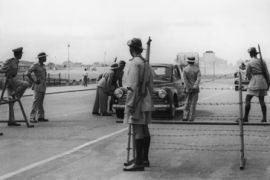
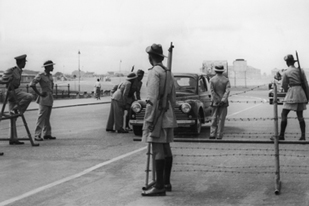 |
| Plantation Tamils became the first targets of Sinhala nationalists in 1949 [GALLO/GETTY] |
The descendents of the Tamil labourers brought from India by the British plantation owners had considerably altered the demographics of Sri Lanka’s Central Province.
Poor and illiterate, they became the first targets of the Sinhalese nationalists in 1949. The government of D.S. Senanayake legislated to strip them of their Sri Lankan citizenship.
As India had always deemed them to be Sri Lankan citizens, they effectively became stateless. By this one act the Tamils suddenly lost all their clout in politics.
Tamils who at independence were 33 per cent of the population, were now reduced to less than 20 per cent. The Sinhalese now could, and did, manage to procure more than a two-third majority in parliament. This ensured that the Tamils were now no longer in a position to effectively oppose any policies that affected them.
Next, successive Sri Lankan governments tried to remove the estate Tamils from the country entirely. According to agreements signed between India and Sri Lanka, India agreed to accept 600,000 of the Estate Tamils. The remaining Tamils were to have their Sri Lankan citizenship restored. However, even this was not done till 2003.
Tamils felt disenfranchised even with the new name, Sri Lanka, which the country known until then as Ceylon adopted in 1970. Its Sinhalese origin further angered and alienated many Tamils.