UN inspects Japan nuclear plant
Nuclear watchdog begins four-day visit to site damaged by earthquake last month.
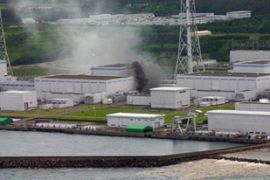
The team will return to Tokyo on Friday for talks with Japanese nuclear safety officials, Japan‘s Nuclear and Industrial Safety Agency said.
Jamet said he hoped to receive explanations of all the problems that occurred and inspect the facilities first hand, Kyodo News agency reported.
Jamet told reporters after his arrival on Sunday that his team would conduct an independent examination and then write a report.
Japanese officials, already at the plant for investigations, will co-operate with the six-member IAEA team, but the UN agency’s probe will be independent, agency officials said.
Plant operator Tokyo Electric Power Co has come under fire for poor readiness and downplaying safety risks after the quake.
The company revealed hundreds of problems and damages in the quake’s aftermath, including a leak of radioactive water into the sea, although the amount of radioactivity released was minimal.
Plant officials said they had not foreseen such a powerful quake hitting the facility, and repeatedly underreported its impact afterward.