Machu Picchu tourists evacuated
More than 1,400 airlifted from Peru mountain village following floods and mudslides.
Published On 29 Jan 2010
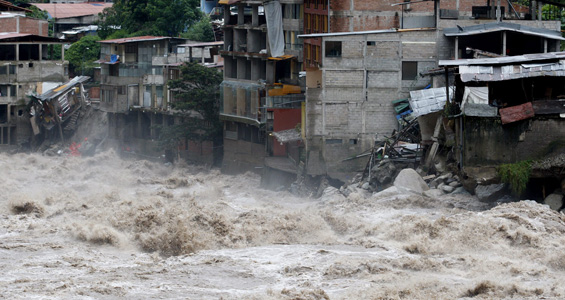 |
| Raging floods cut off all means of land transportation to the Machu Picchu region [AFP] |
Hundreds of stranded tourists have been evacuated from Peru’s Machu Picchu region after flooding and mudslides last weekend cut off access to the area.
The heaviest rains in 15 years triggered the floods and landslides that blocked roads and railways in the area for several days.
Keep reading
list of 4 itemsBehind India’s Manipur conflict: A tale of drugs, armed groups and politics
China’s economy beats expectations, growing 5.3 percent in first quarter
Inside the pressures facing Quebec’s billion-dollar maple syrup industry
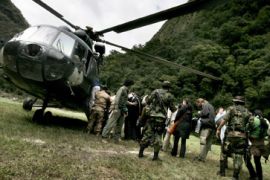
More than 3,000 travellers had been trapped for days, many having to eat from communal pots and sleep outdoors, but clear skies enabled helicopters to ferry more than 1,400 people out of Aguas Calientes on Thursday.
Martin Perez, the Peruvian tourism minister, told local RPP radio that 800 visitors remained in the town, also known as Machu Picchu Pueblo, and the authorities said that if the weather held, they would be able to evacuate them all on Friday.
Bad weather
“Right now it is raining heavily in Cuzco, but we believe the weather will be better tomorrow [Friday] to continue evacuations,” Perez said.
 |
| Thousands of people were left stranded for days with diminishing resources [EPA] |
Difficult terrain and bad weather had earlier slowed rescue efforts from the town.
The authorities closed the Inca trail, a popular four-day trek that ends at the Machu Picchu ruins, on Tuesday after a mudslide killed two people.
The site will remain closed for weeks, until the government repairs highway and railway tracks washed out by mudslides and the raging Urubamba river.
Wedged between a sheer, verdant mountainside and the Urubamba, Aguas Calientes is the closest access point to the ancient Inca ruins of Machu Picchu located some 2,400 metres up in the Andean mountains.
Difficult terrain and rain had earlier slowed rescue efforts, preventing helicopters from landing in the town until after midday on Tuesday, when the skies began to clear.
Visitors were frustrated over chaotic relief efforts, price gouging and scarce food, but the mood lightened on Thursday as soldiers brought order to the evacuation.
Test of patience
When Sunday mudslides destroyed the railway – the only land transportation into the town – many hotels and restaurants raised prices exorbitantly.
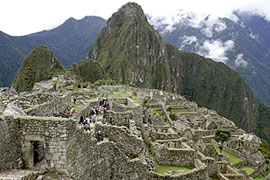 |
| The ancient Inca ruins attract tens of thousands of visitors each year [AP] |
Tourists who could afford to pay extra were separated from those who spent days sleeping in train cars and waiting for delayed food shipments.
Dina Sofamontanez, who runs Hostal El Inka, said she dropped prices when tourists ran out of money, while some hotels on the main avenue raised theirs fivefold up to $50 a night.
“The people here are abusive. It’s all about money,” said Sofamontanez.
Many backpackers who ran out of money when ATMs ran dry slept in the central plaza.
“We had to eat what the locals gave us, out of communal pots. There are young people who are having a real rough time because they don’t have money,” Sandra Marcheiani, a 34-year-old Argentinian tourist, told The Associated Press news agency.
Source: News Agencies