Somalia’s Shabab bans UN food aid
Armed opposition group accuses World Food Programme of being politically motivated.
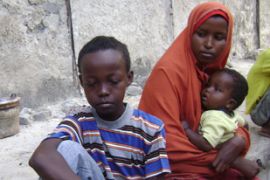
Al-Shabab said they had received complaints from Somali farmers that the quantity of the WFP food aid prevented them from selling their own products at a fair price.
And the group also charged some food was past its expiry date and had caused people to fall ill.
Responding to the ban, the WFP insisted its role in Somalia was “impartial and non political”.
Its website adds that the food programme is operating in “one of the most dangerous places in the world” and with “the highest humanitarian need for the size of its population”.
Aid delays
Last August, the WFP estimated that Somalia was facing its worst humanitarian crisis since the famine of 1991/1992, with half the population [3.64 million people] in need of outside assistance.”
Nevertheless, in November 2009, the Shabab imposed 11 conditions on UN agencies and non-government groups working in the country, insisting they stay out of Islamic affairs and pay a tax, or jiziya, of at least 20,000 dollars every six months.
The WFP stopped working in southern Somalia in January, announcing it had suspended distribution of food aid after months of attacks and extortion by rebels.
But the UN said the agency hoped to restart work in the area in March or April, adding the suspension was over the post-harvest period when enough food was available.
And the WFP said it would continue to send food aid to 1.8 million Somalians in other parts of the country, including the capital Mogadishu – which is also mostly under Shabab control.
The Shabab has been fighting the government and its African Union allies alongside Hezb al-Islam, a smaller and more political group.
The UN estimates it will need $689 million to provide aid in 2010 to the Somali population, of which 43 per cent live on less than a dollar a day.