Hopes for power-sharing in Kenya
Parliamentary speaker reports “progress” after weeks of post-election unrest.
“We are now looking for solutions,” he said.
‘Speculation and rumours’
However, Annan warned the media against “speculation and rumours” before he briefs parliament on Wednesday about his mission.
| Your Views |
|
How can Kenya resolve the crisis over the elections? |
It is unclear where the opposition Orange Democratic Movement stands on the issues as it has issued conflicting statements over the weekend.
An opposition negotiator said on Friday that a power-sharing deal had been struck. But on Saturday, Odinga called for a re-run of the election, then on Sunday he said he was prepared for “giving and taking”.
The international community has been pressing the rival Kenyan leaders to reach an power-sharing agreement since a wave of violence swept across the country killing more than 1,000 people.
Although it was triggered by the vote, the bloodshed exposed deep resentment over inequalities in the distribution of land, wealth and power that date back to British colonial rule.
Kenya’s displaced
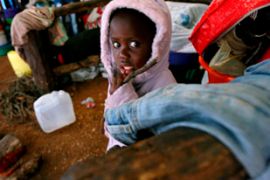
On Monday, a UN officials said that more than 600,000 people had fled their homes as rival ethnic groups clashes across the country.
“There are something like 300,000 people displaced in camps,” John Holmes, UN humanitarian chief, said after visiting Kenya.
“Beyond those 300,000 there are probably just as many who are not in camps who have gone back to their homelands … or are sheltering with friends and neighbours somewhere else.”
As the talks resumed in Nairobi, Kibaki urged Kenyans who had run away from their homes to return.
“We are going to assist in rebuilding houses that were torched,” he said at a Nairobi high school where he launched a free secondary school programme.
“We will, indeed, make sure that no human being will get any pleasure whatsoever in burning another human being’s house because to do so is crazy.”