Vietnam joins WTO
Hanoi must cut tariffs and open up but will get greater access to foreign markets.
Published On 11 Jan 2007
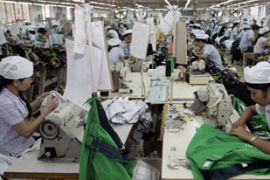
While many Vietnamese companies see new opportunities resulting from Thursday’s entry, others are bracing themselves.
Nguyen Van Thoai, the deputy manager of the Saigion Cosmetic Corp, which sells perfumes, toiletries and other products, said: “We estimate that after Vietnam joins the WTO, we will lose about 20 per cent of our market share to foreign rivals.
“With their well known brand-names and large advertising budgets, they will make the competition even harder for us.”
As it negotiated its WTO entrance over the years, Vietnam approved many new laws and regulations intended to bring its business environment in line with international standards.
Investors have taken note.
Foreign direct investment reached a record $10bn last year, and the economy grew 8.4 per cent.
Despite the market improvements, investors should not have unrealistic expectations, Adam Sitkoff, the executive director the American Chamber of Commerce in Hanoi, said.
“This is still a ‘socialist-oriented’ market economy,” Sitkoff said. “That means the government is still preserving a commanding role for many large state-owned companies.”
Source: News Agencies